


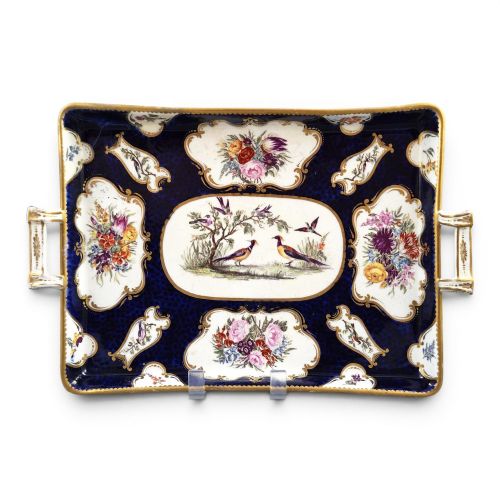
Hand Painted Ceramic Birds
Hand painted ceramic birds bring intricate feather details and vibrant natural pigments into interior spaces through plates, vases, and figures.
Hand Painted Ceramic Birds
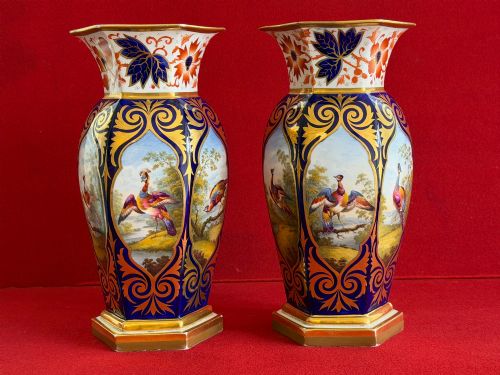
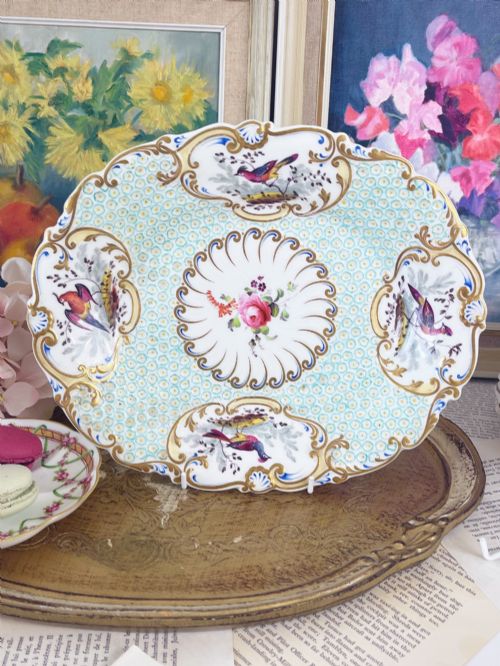
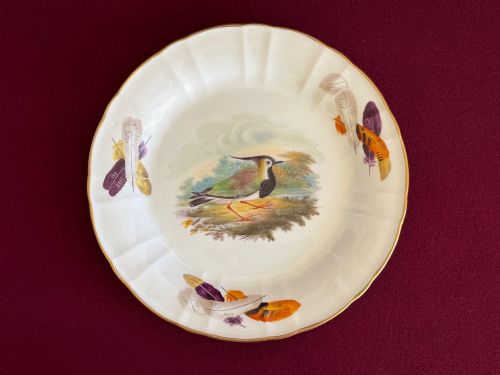
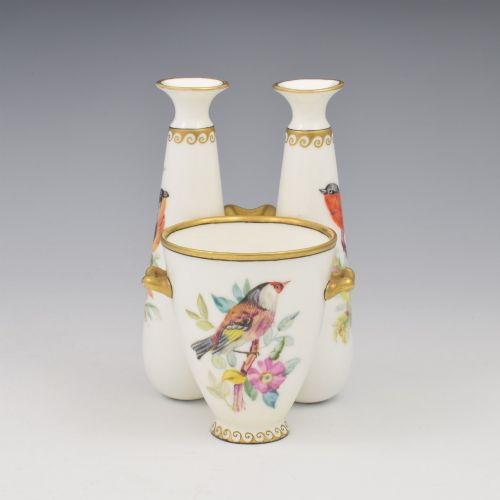
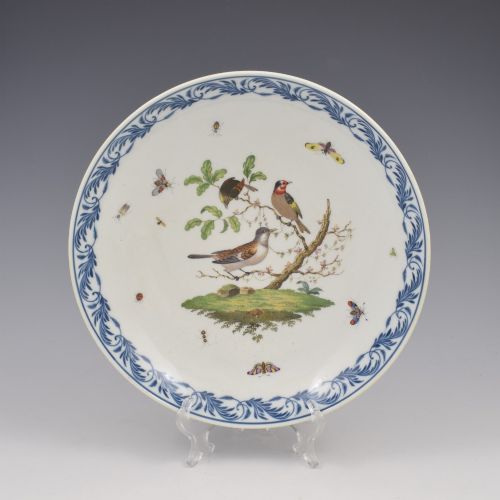
When you search for hand painted ceramic birds, you encounter centuries of ornithological decoration across plates, dishes, vases, and figures. The pieces on this page span the eighteenth, nineteenth, and early twentieth centuries, originating from English potteries, continental European factories, and East Asian kilns.
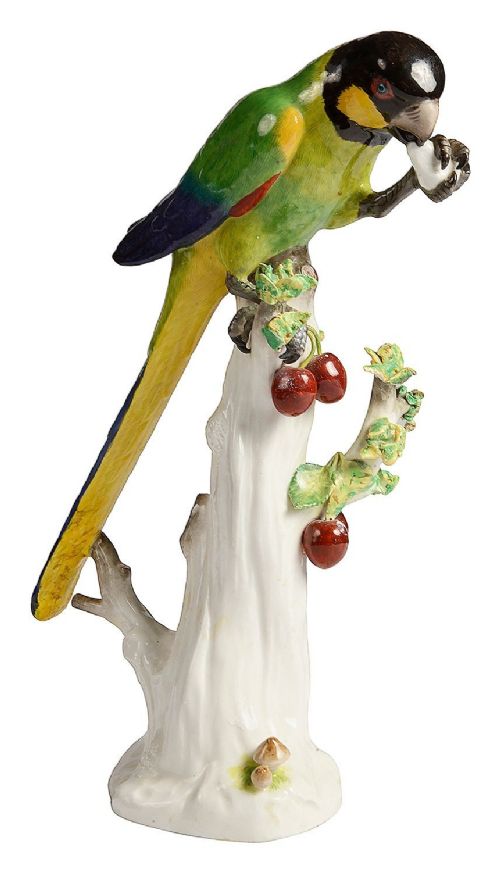
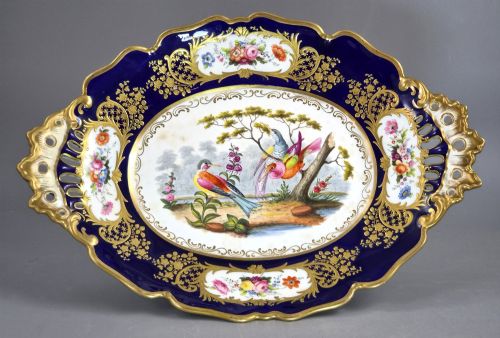
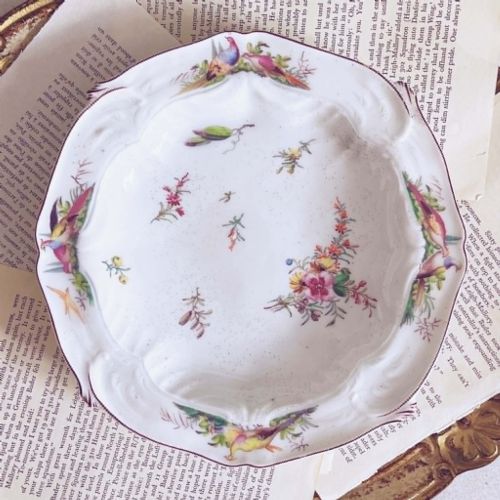
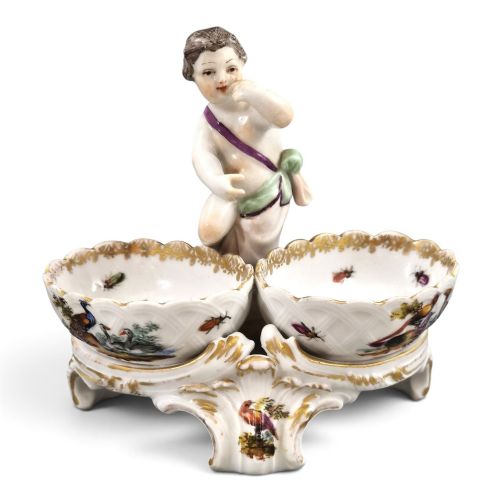
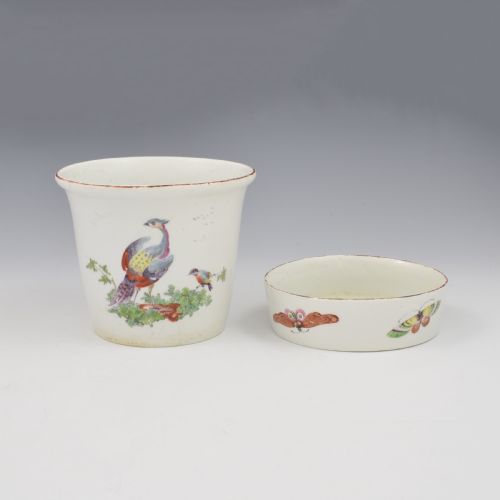
English works from factories such as Worcester, Coalport, and Derby frequently present named species like lapworms alongside fanciful plumage traditions. Continental pieces from Meissen, KPM Berlin, and Dresden offer modelled parrots and ornithological dessert dishes decorated with meticulous brushwork.
Asian examples include Japanese Imari and Satsuma wares alongside Chinese porcelain jars and chargers depicting traditional bird and flower motifs. These varied objects demonstrate how different cultures interpreted avian subjects through glaze, enamel, and porcelain bodies.
Materials and production methods
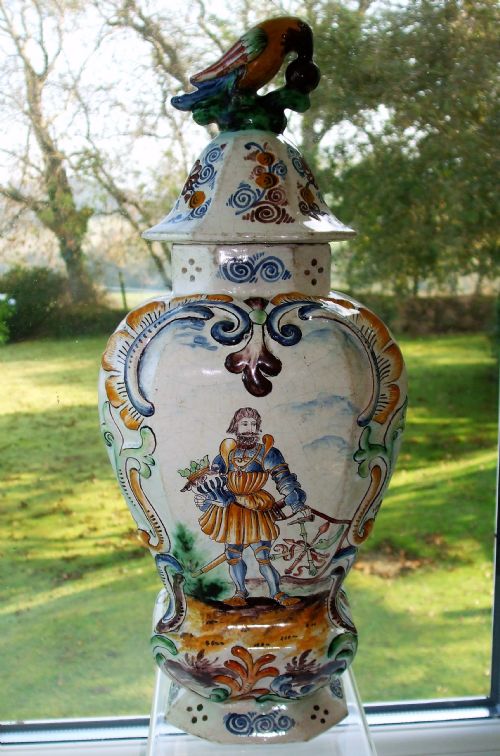
Potters shaped these objects using hard-paste porcelain, bone china, earthenware, and delftware bodies before applying detailed underglaze and overglaze pigments. Artisans utilised cobalt blue, polychrome enamels, and gilding to render plumage, tree branches, and floral backgrounds.
Firing techniques varied from high-temperature kiln processes for cobalt blue and sancai glazes to multiple lower temperature firings for intricate enamel work and gold leaf application. Many English and continental items combined hand-painted motifs with moulded ceramic reliefs or gilt borders.
Listings feature 18th-century Derby pottery alongside Victorian Royal Worcester vases and 19th-century Japanese Imari chargers.
Qualities that separate the range
The distinction between standard and superior pieces rests upon the precision of the brushwork and the naturalism of the avian subject. Expert painters captured anatomical accuracy and feather texture with fine strokes, whereas lesser examples relied on repetitive, mechanical transfers or hurried application.
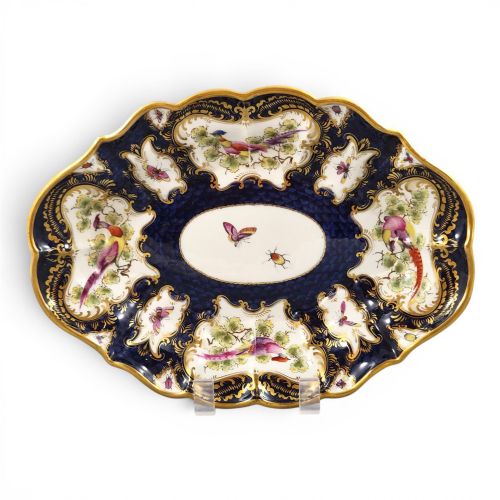
The complexity of the surrounding composition also defines the upper tier, where hand-gilt borders, cobalt blue scale grounds, and modelled tree trunks elevate the ceramic form. Additionally, documented factory patterns and works attributed to specific decorators command greater interest.
Flight Barr and Barr·H and R Daniel·Wedgwood·Meissen·Coalport·Chelsea·KPM Berlin·Derby Porcelain·Royal Worcester·Chamberlain Worcester·Minton·Dresden·Grainger and Co·Hododa
The Hand Painted Ceramic Birds Glossary
- Ornithological
- Pertaining to the study or representation of birds. In ceramics, this describes realistic botanical and avian illustrations found on nineteenth-century tableware.
- Imari
- A style of Japanese export porcelain characterised by a palette of underglaze blue, iron red, and gilt. These pieces frequently feature birds amidst floral panels.
- Famille Rose
- A major palette of Chinese porcelain enamels introduced in the eighteenth century, dominated by opaque pink. The style often depicts birds and flowers.
- Sancai
- A three-colour glaze tradition used on Chinese pottery, typically comprising greens, ambers, and cream. It appears on modelled animal figures.
- Reticulated
- Having an openwork pattern resembling a net or lattice. This technique was used on porcelain plates and baskets to create decorative borders.
Hand Painted Ceramic Birds: Frequently Asked Questions
How do I identify early porcelain bird plates?
Early porcelain plates often feature hand-painted subjects rather than transfer prints, accompanied by underglaze factory marks or anchor symbols on the reverse.
Examine the weight of the ceramic body and the depth of the enamel colours, as eighteenth and early nineteenth-century pieces display distinctive potting characteristics.
Were these ceramic birds made for use or display?
Many items, such as dessert dishes, plates, and teacups, served practical dining functions within wealthy households. Other forms like figures, jardinières, and decorative vases were created purely for interior display.
Over time, functional tableware frequently transitioned into cabinet pieces collected for their artistic merit.
How should I clean antique painted ceramics?
Dust antique ceramics gently with a soft, dry brush to prevent accumulation without disturbing fragile overglaze enamels or gilt highlights. Avoid submerging pieces with old repairs or unglazed bases in water.
Professional restoration or conservation advice should be sought for valuable or structurally vulnerable items.
What does fancy birds mean on old listings?
The term fancy birds refers to stylized, exotic, or imaginary plumage traditions rather than strictly scientific representations of real species. This decorative style was popular among eighteenth and nineteenth-century English porcelain painters.
Artists drew inspiration from imported Asian textiles and porcelain when composing these vibrant scenes.