



Hand Painted Cards
These hand painted cards and associated tables offer a glimpse into Georgian elegance and later decorative arts, combining functional furniture with delicate artistry.
Hand Painted Cards
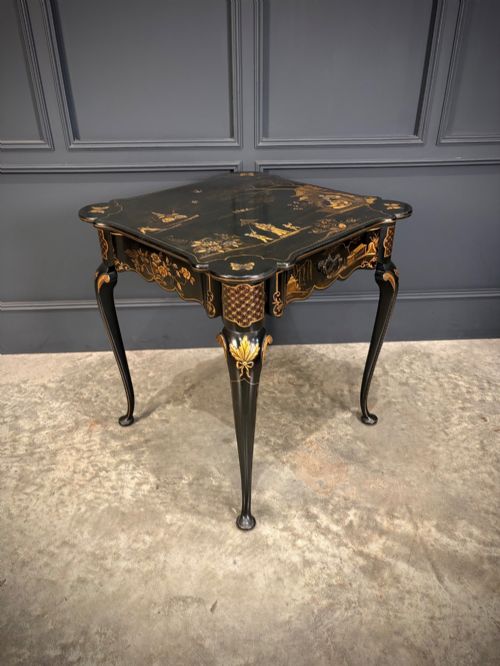
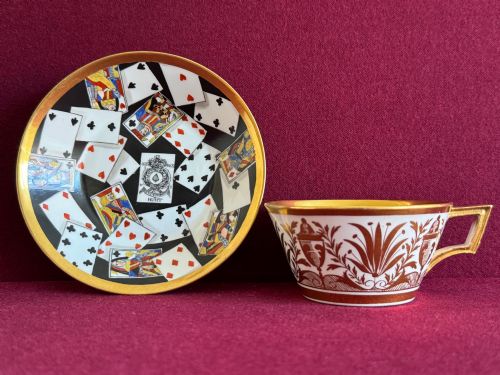
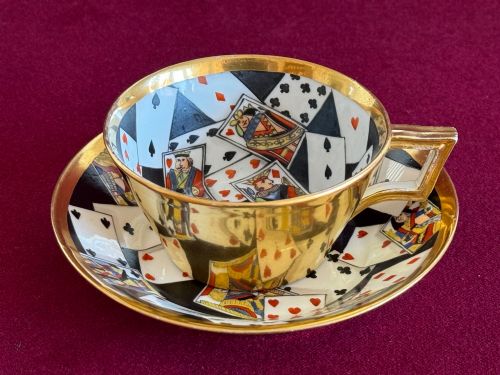
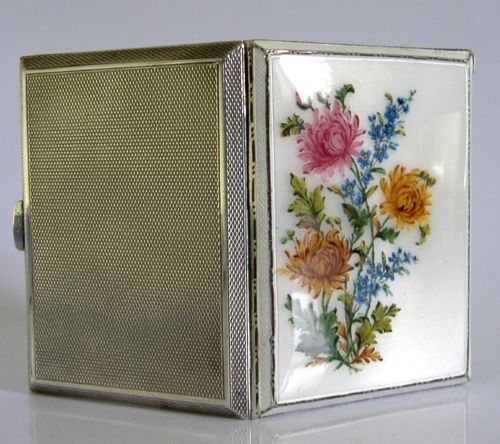
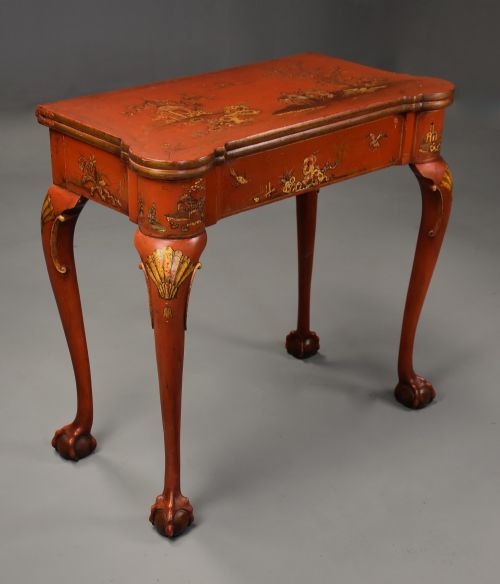
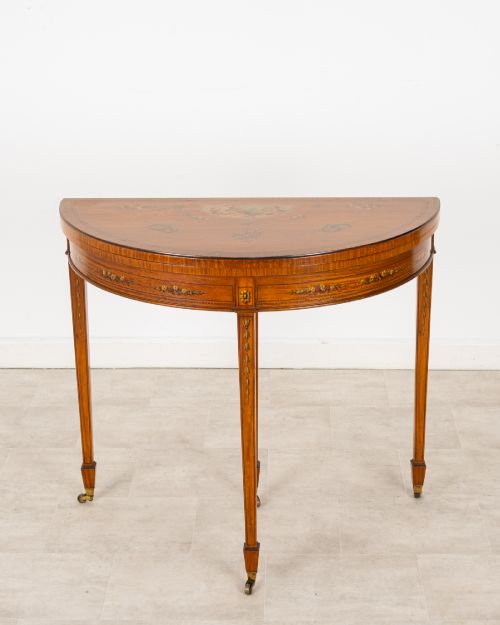
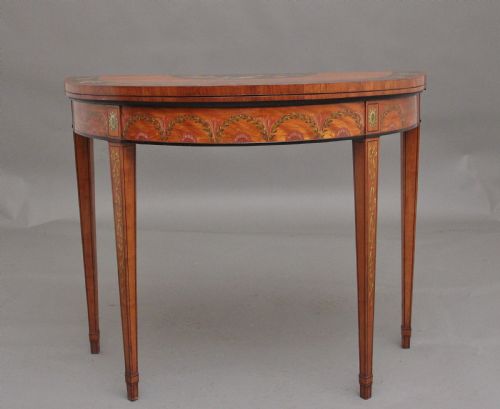
When you search for hand painted cards, you encounter a curated selection of antique items including card tables, games tables, teacups, cigarette cases, and decorative objects. The pieces span Georgian, Regency, Victorian, Edwardian, and 1920s periods, showing how social pastimes intersected with fine craftsmanship over the centuries.
You are most likely to meet painted satinwood or lacquered card tables on this page, alongside porcelain teacups and decorative boxes. These items reflect the domestic interiors of their respective eras, often featuring delicate surface decoration that has survived across generations.
Materials and construction methods
The objects combine traditional cabinet woods such as mahogany and satinwood with applied paint, lacquer, and occasionally gold leaf or enamel. Makers utilised these substrates to create smooth decorative grounds suited to detailed floral or figural motifs.
Porcelain and ceramic pieces involve high-temperature firing followed by hand-applied enamel painting, whilst wooden tables incorporate fine timber veneers, inlay, and structural joinery designed to support fold-over leaves for games.
Hand Painted Cards Retail Price Guide 2026
Typical asking prices for hand painted cards among the pieces listed under this phrase on Sellingantiques today, from the lower quarter to the upper quarter. They describe what is for sale here now, not the wider market.
Distinctions in quality and execution
Quality rests in the crispness of the hand-painted detail and the stability of the underlying structure, whether a satinwood card table or a Derby porcelain teacup and saucer. Superior pieces display refined brushwork and careful timber selection that remain intact through decades of use.
The integration of the painted decoration with the form determines the overall success of the piece. Well-executed examples maintain balanced proportions and harmonious colour palettes that complement the period style.
Duesbury & Kean
The Hand Painted Cards Glossary
- Satinwood
- A light-yellow timber native to India and Ceylon, highly prized for fine furniture during the Georgian and Edwardian periods. It provides a smooth golden ground for painted decoration.
- Demi-lune
- A half-moon shape commonly found in console and card tables designed to sit flush against a wall. These tables often feature fold-over tops supported by pivoting legs.
- Enamel
- A glass-like substance fused to metal or ceramic surfaces through firing, used for durable decoration on cigarette cases and small objects. It allows for vibrant, glossy colouration.
Hand Painted Cards: Frequently Asked Questions
What periods do these pieces span?
The inventory encompasses items from the Georgian and Regency eras, through the 19th century and Edwardian period, up to the 1920s and 1930s.
This broad chronological range demonstrates how decorative painting techniques adapted across different centuries of design.
How were card tables used?
Card tables served as multi-functional furniture in period drawing rooms, remaining folded against a wall when not in use.
During social gatherings, the leaves opened to provide a baize-lined surface for card games and gaming tokens.
What materials are common?
Wood, paint, and lacquer form the primary materials for the tables and decorative boxes listed on the page.
Porcelain, enamel, gold leaf, and brass appear on smaller objects like teacups and cigarette cases.
How do I identify a Georgian table?
Georgian tables typically exhibit formal proportions, timber construction such as satinwood or mahogany, and period-appropriate hand-painted ornamentation.
They often feature specific structural traits like fold-over leaves designed for games.