


Hand Painted Cabinet Cup
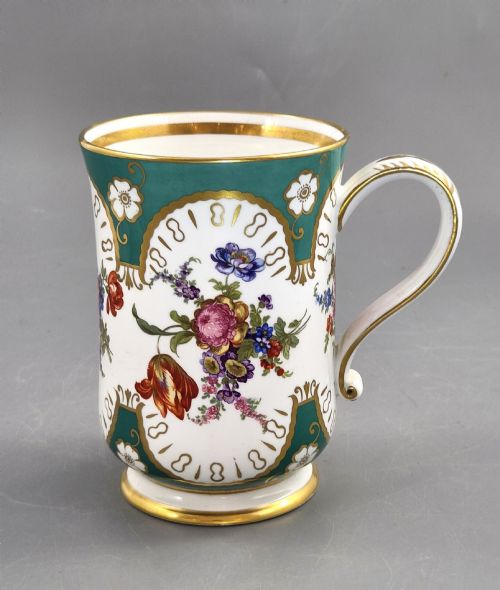
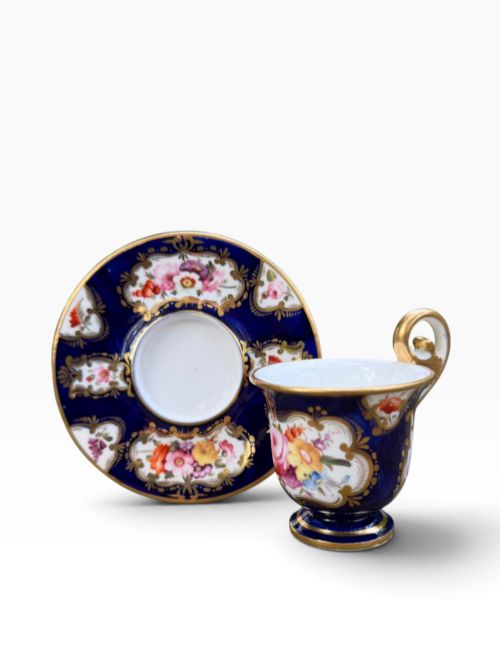
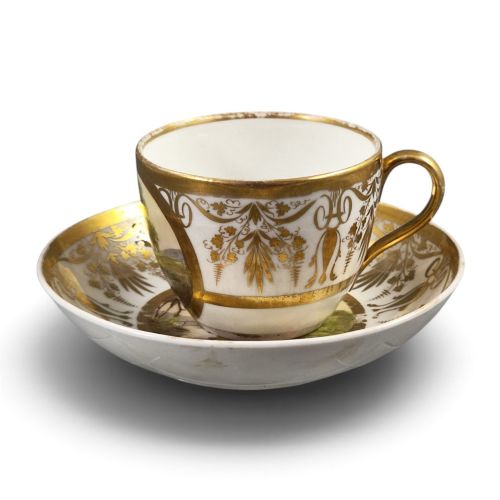
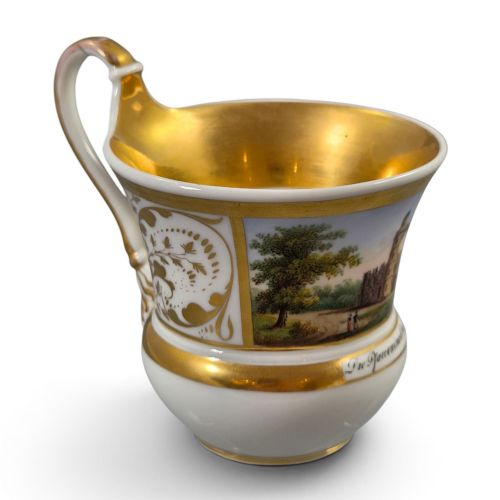
A hand painted cabinet cup is a delicate ceramic vessel meant for display rather than daily tea, offering exquisite hand-painted detail from the Georgian, Regency, and Victorian periods.
Hand Painted Cabinet Cup
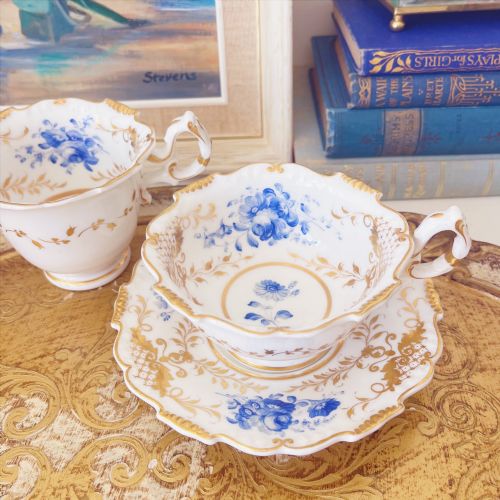
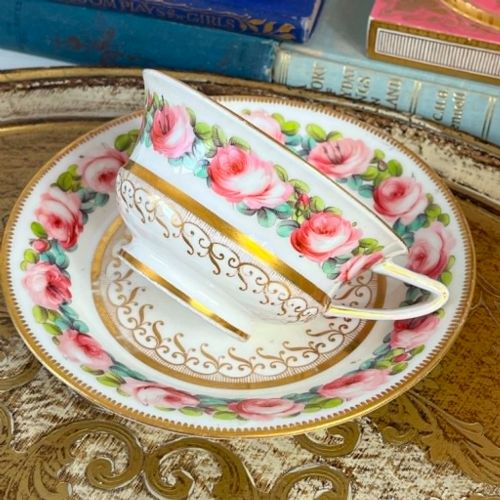
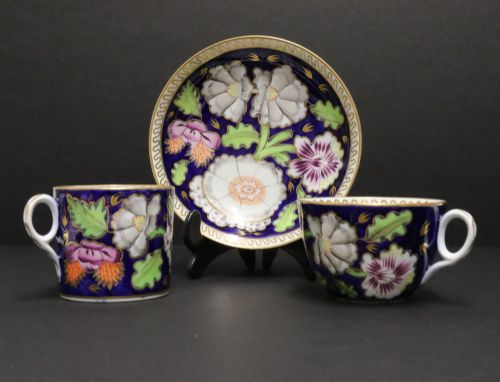
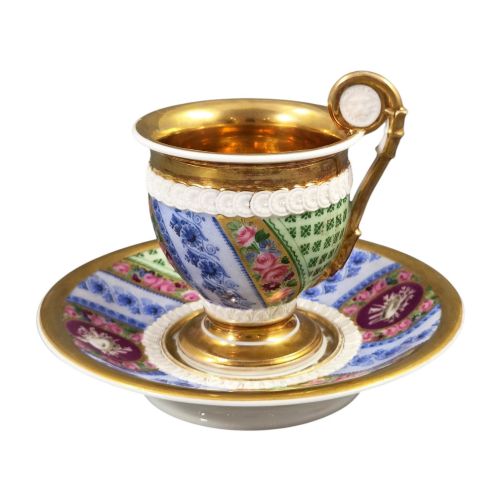
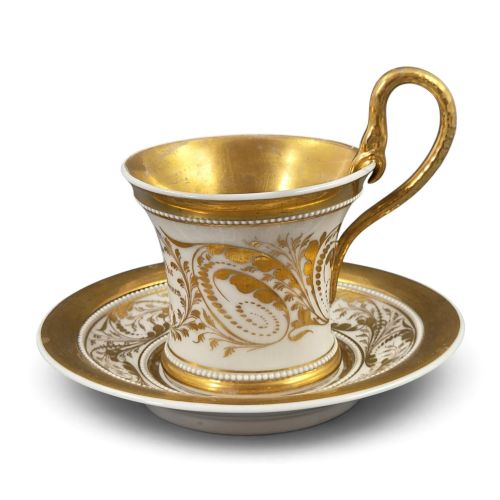
When you search for a hand painted cabinet cup, you are looking at small decorative ceramic vessels made to sit on display shelves rather than serve everyday tea. The versions you are most likely to meet on this page hail from the Georgian and Regency periods, stretching into the Victorian era.
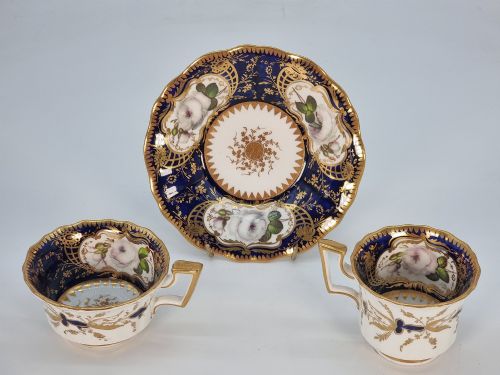
These pieces take various forms including teacups and saucers, cabinet trios, beakers, and chocolate cups. English and continental factories produced them in styles ranging from Rococo Revival and Neoclassical to Biedermeier and Empire.
What varies in quality
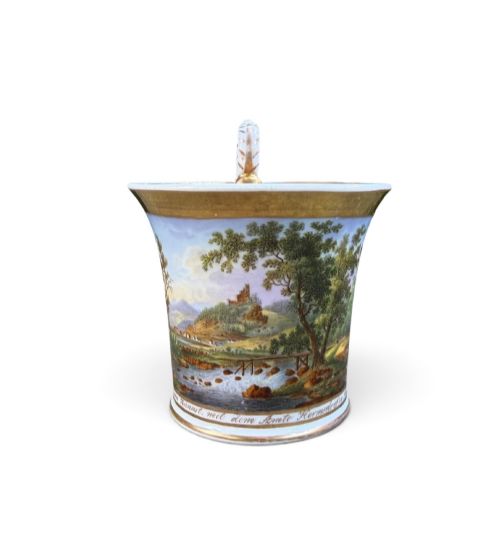
The standard of painting determines the upper tier of these pieces, separating mass factory output from master painter work. Fine topographical landscapes and detailed botanical studies show brush control and artistic precision that lesser items lack.
The richness of the gilding and the crispness of the porcelain moulding define the piece. Heavy, clean gold leaf application and well-defined handles indicate superior production standards during the nineteenth century.
Cabinet cups appear alongside teacups, saucers, trios, beakers, and chocolate cups in various European styles.
H & R Daniel·Davenport·Coalport·KPM Berlin·Royal Vienna·Meissen·Royal Worcester·Chamberlains Worcester
The Hand Painted Cabinet Cup Glossary
- Cabinet cup
- A decorative ceramic cup made for display in a cabinet rather than for daily use. These pieces often feature hand-painted scenes and heavy gilding.
- Demitasse
- A small cup used for serving strong black coffee or espresso. They appear frequently in nineteenth-century porcelain collections.
- Hard-paste porcelain
- A durable ceramic paste composed of kaolin and petuntse fired at high temperatures. European factories utilised this material for fine display pieces.
- Gilding
- The application of gold leaf or gold paint to ceramic surfaces. This technique highlights rims, handles, and borders on nineteenth-century cups.
- Topographical
- A style of decoration depicting specific real-world landscapes or buildings. Artists painted these views onto porcelain panels within gilded cartouches.
Hand Painted Cabinet Cup: Frequently Asked Questions
What is a cabinet cup?
A cabinet cup is a decorative ceramic piece made primarily for display in a cabinet or on a shelf rather than for drinking tea.
These items date largely from the nineteenth century and feature elaborate hand-painted artwork and gilding.
How do I date a porcelain cup?
Dating relies on identifying factory marks, stylistic traits such as Regency or Biedermeier shapes, and the type of porcelain body.
Hand-painted subjects and framing styles also offer strong clues to the decade of manufacture.
Were these cups used for drinking?
Most cabinet cups were intended as decorative art objects to showcase ceramic painting skills rather than for actual dining use.
Their delicate handles, heavy gilding, and small proportions suited them for display cabinets.
How should I clean my porcelain?
Dust these fragile pieces gently with a soft dry brush to protect the delicate enamel work and gold leaf.
Avoid submerging antique hand-painted ceramics in water, as moisture can damage old gilding and repairs.