

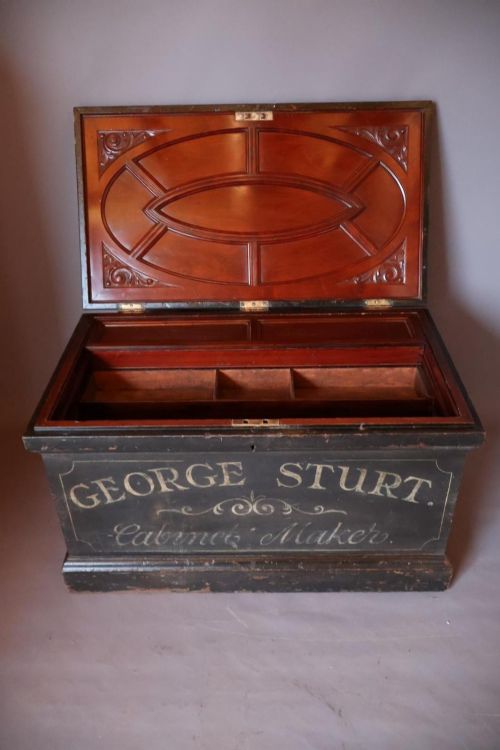


Hand Painted Blanket Box
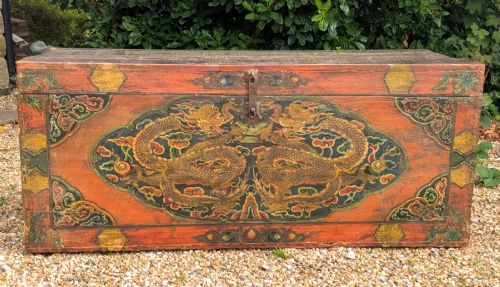
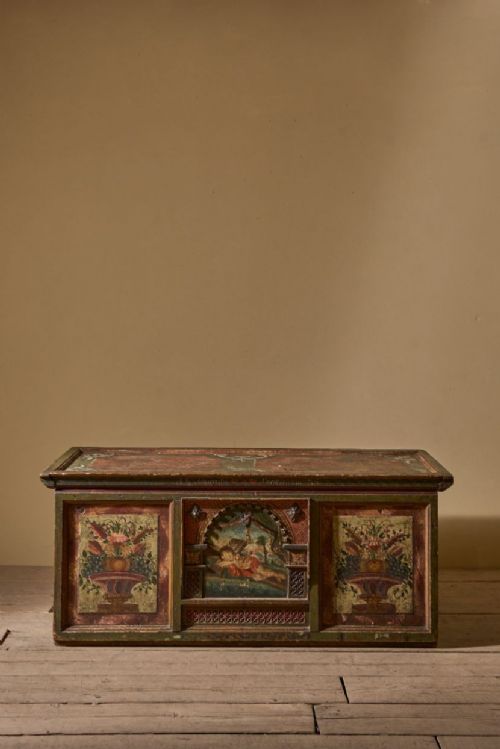
These hand painted blanket box examples offer robust storage coated in historic pigment, ranging from Swedish marriage chests to Chinese lacquer trunks.
Hand Painted Blanket Box
When you search for a hand painted blanket box, you encounter timber trunks, coffers, and strong boxes originating across Europe and Asia. These large storage vessels served to protect textiles and valuables in domestic settings, often created to mark marriages or significant life events.
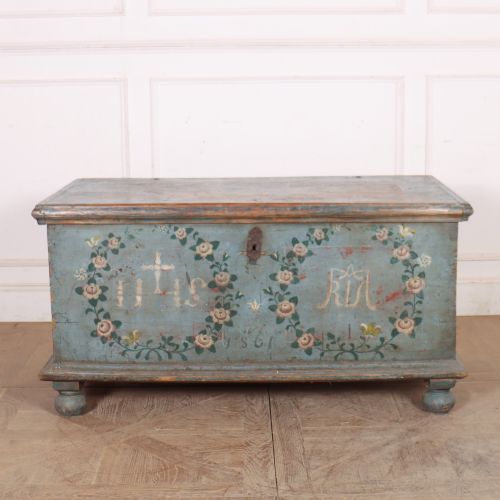
The version you are most likely to meet on this page is a nineteenth century pine piece, frequently bearing Scandinavian folk art motifs. Examples from Sweden, Hungary, and the Alpine region appear regularly alongside Chinese export lacquer and British Victorian pieces.
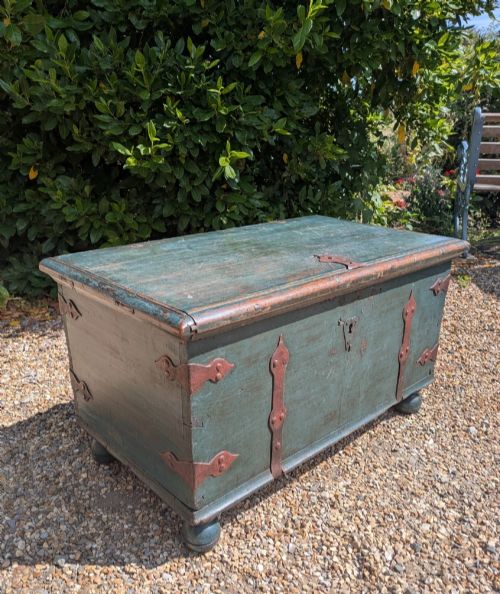
The forms vary from flat-topped chests to dramatic dome top coffers fitted with iron strapwork. Whether small utility boxes or large marriage chests, each item combines utilitarian storage with expressive surface decoration.
How they were made
The primary structural timber across these listings is pine, constructed with dovetailed or joined boards to handle heavy daily use. Oak and camphor also appear in specific regional traditions.
Makers applied oil-based pigments and lacquer directly to the wood surface, sometimes incorporating detailed folk art designs or Moorish style decoration. Iron and brass hardware, including hand forged strapwork and carrying handles, reinforced the corners and lids.
Materials recorded across the selection include pine, oak, camphor, wrought iron, brass, lacquer, and raw pigment.
What varies in quality
Quality in these storage pieces rests primarily in the survival and execution of the original surface paint. Chests retaining untouched folk art pigments or crisp lacquer work hold greater visual authority than those with heavy overpainting.
The integrity of the structural joinery and the authenticity of the iron strapwork or brass fittings dictate the calibre of the piece. Regional distinctiveness, such as precise Swedish folk art motifs or documented Spanish Moorish decoration, elevates the standing of an individual box.
The Hand Painted Blanket Box Glossary
- Cofer
- A large timber chest used for storing valuables, typically featuring a heavy lid and iron reinforcements.
- Strapwork
- Ornamental metal bands of iron or brass fixed across the exterior of a chest to secure the joints.
- Cassone
- A traditional large Italian chest, often painted or gilded, traditionally used for holding wedding trousseaux.
- Marriage chest
- A decorative storage box commissioned or painted to celebrate a wedding, frequently inscribed with dates and initials.
- Dome top
- A rounded lid construction designed to shed water and increase interior storage capacity.
Hand Painted Blanket Box: Frequently Asked Questions
What were hand painted blanket boxes used for?
These boxes primarily stored household blankets, woollens, and textiles away from moths and dust in historic homes. They also served as secure repositories for family documents, silver, and dowry items.
Many large marriage chests held the bride's personal linens and valuable possessions as she moved to a new household. Their sturdy construction allowed them to double as seating benches or tables within modest living spaces.
How do I care for a painted wooden chest?
Keep painted timber boxes away from direct sunlight and strong heat sources to prevent the historic pigments from fading or the wood from splitting. Dust gently with a dry, soft cloth rather than using liquid polishes that might damage aged paint.
Maintain stable indoor humidity levels to protect both the underlying pine or oak structure and the delicate surface decoration. Avoid placing damp items directly onto historic interior surfaces.
How do I identify Scandinavian folk art chests?
Scandinavian folk art chests from the nineteenth century typically feature distinctive floral motifs, scrolling patterns, and vibrant regional colour palettes applied to pine. Many include painted marriage dates, initials, or detailed architectural borders.
These pieces frequently utilise dome top constructions paired with hand forged iron strapwork hinges and lock plates. Their construction relies heavily on native Scandinavian softwoods finished with locally mixed oil pigments.
What is the difference between a coffer and a trunk?
A coffer generally denotes a heavy, deeply constructed wooden chest with a flat or dome top, often reinforced with substantial iron bands for security. They were traditionally stationary pieces used for long-term storage.
Trunks often imply a slightly more portable form, sometimes featuring side carrying handles or lighter timber frames designed for travel and transport. Both terms overlap frequently in historic listings describing large storage boxes.