



Hand Painted Bird Art
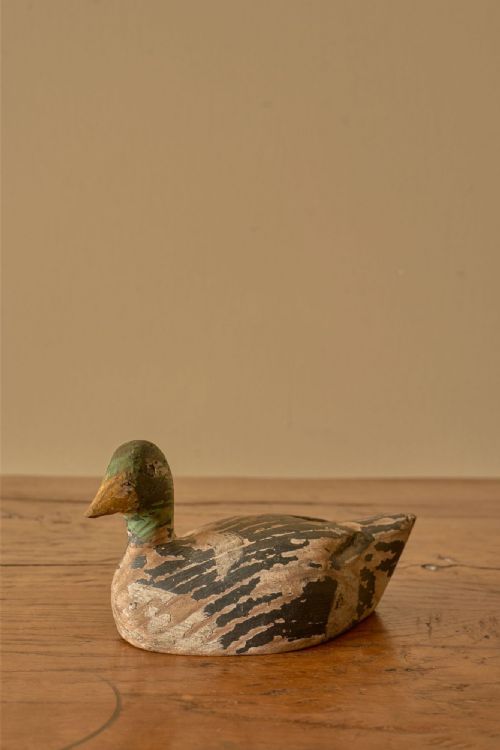
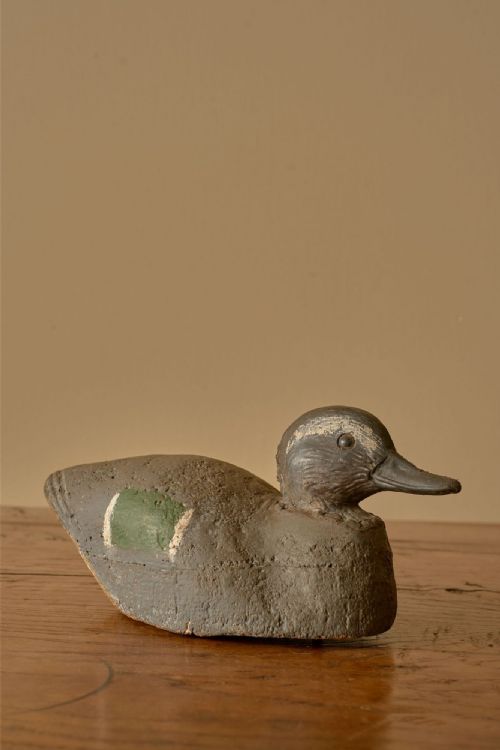
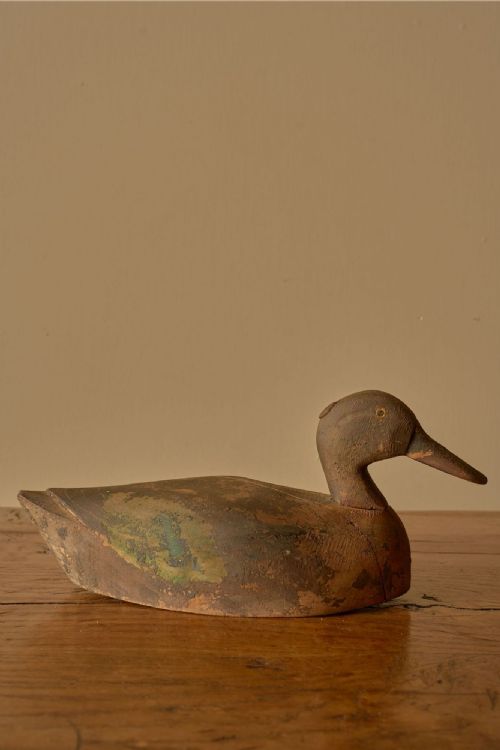
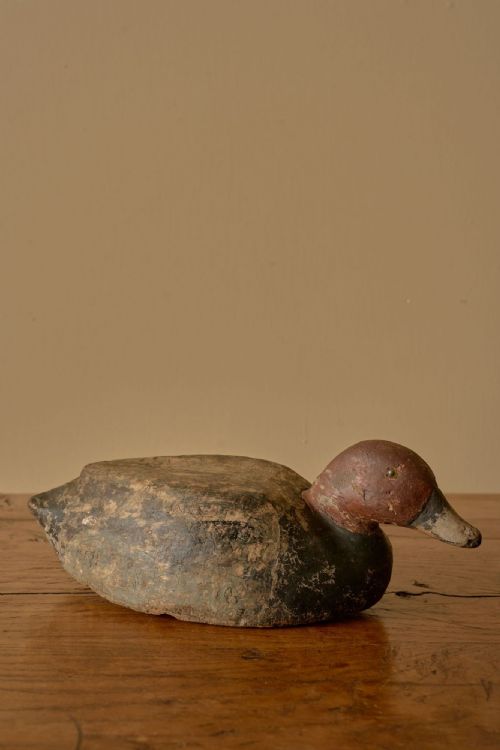
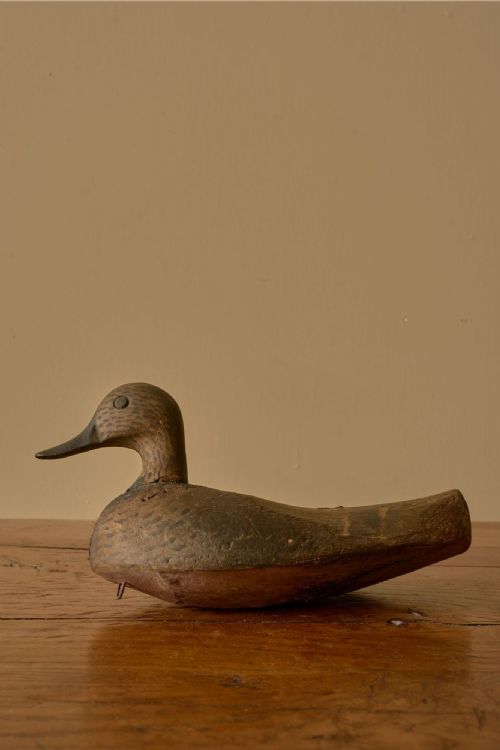
When you collect hand painted bird art, you encounter everything from carved wooden decoys to delicate porcelain vases.
Hand Painted Bird Art
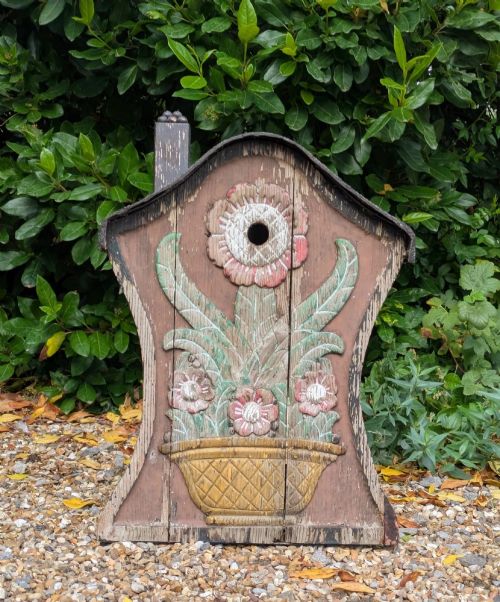
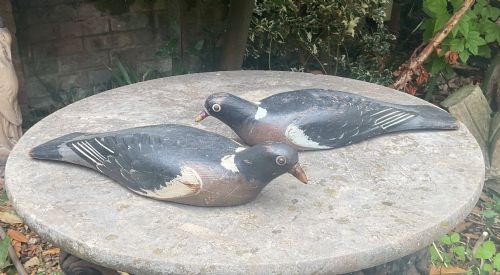
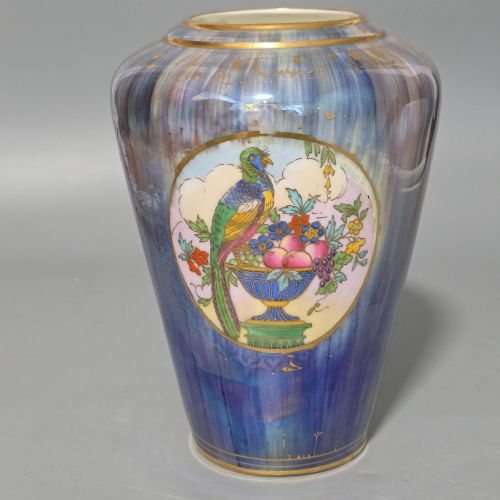
Hand painted bird art encompasses a broad spectrum of decorative objects and functional items featuring avian motifs. Buyers seeking hand painted bird art most frequently encounter carved wooden decoys, folk art sculptures, and ceramic vases dating from the nineteenth and early twentieth centuries.
The selection ranges from utilitarian working decoys to refined Edwardian porcelain and Arts and Crafts pottery. English and Scandinavian traditions heavily influence the rustic wooden forms, while continental potteries provide more elaborate floral and fauna compositions.
Domestic settings also accommodate stained glass windows and painted leather screens depicting birds in flight or perched upon branches. These varied domestic objects demonstrate how avian subjects spanned both vernacular craft and formal decorative arts across multiple eras.
How they were made
Makers shaped these pieces primarily from timber, pine, and carved wood, applying surface paint to render realistic plumage and striking details. Artisans also utilised glass, lead, metal, and porcelain as foundations for enamelled and hand painted decoration.
Pottery items required high-temperature firing before artists applied lustre, enamel, or hand painted pigments to the glazed surfaces. Leaded glass panels combined cut glass segments and painted details held together by lead cames to form cohesive pictorial scenes.
Hand Painted Bird Art Retail Price Guide 2026
Typical asking prices for hand painted bird art among the pieces listed under this phrase on Sellingantiques today, from the lower quarter to the upper quarter. They describe what is for sale here now, not the wider market.
What varies in quality
The distinction between ordinary and superior pieces rests largely upon the skill of the brushwork and the crispness of the carving. Naturalistic proportions and expressive feather details elevate vernacular decoys well beyond utilitarian workshop standards.
In ceramics and glassware, the precision of the hand enamelling and the preservation of original painted surfaces dictate desirability. Pieces retaining their unblemished glaze and authentic nineteenth or early twentieth century pigments command greater appreciation from collectors.
Minton·Rozenburg·Doulton Lambeth
The Hand Painted Bird Art Glossary
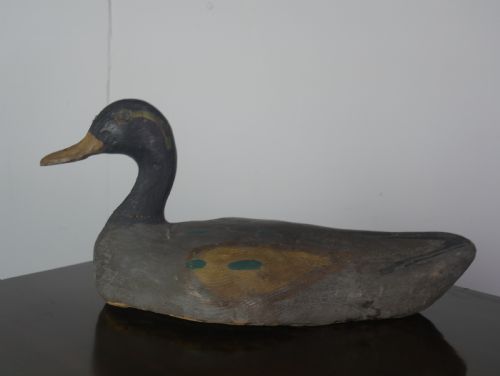
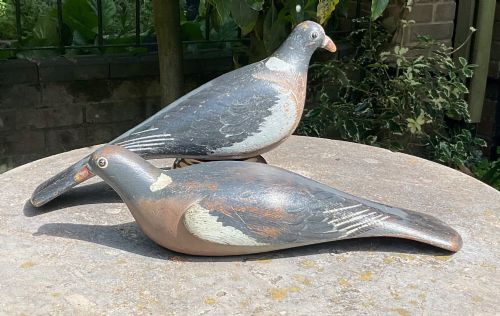
- Decoy
- A carved and painted replica of a bird used historically by hunters to attract waterfowl or pigeons. These working objects now form a major category of folk art sculpture.
- Arts and Crafts
- A design movement valuing traditional craftsmanship and vernacular materials. Items from this period often display hand-worked surfaces and nature-inspired motifs.
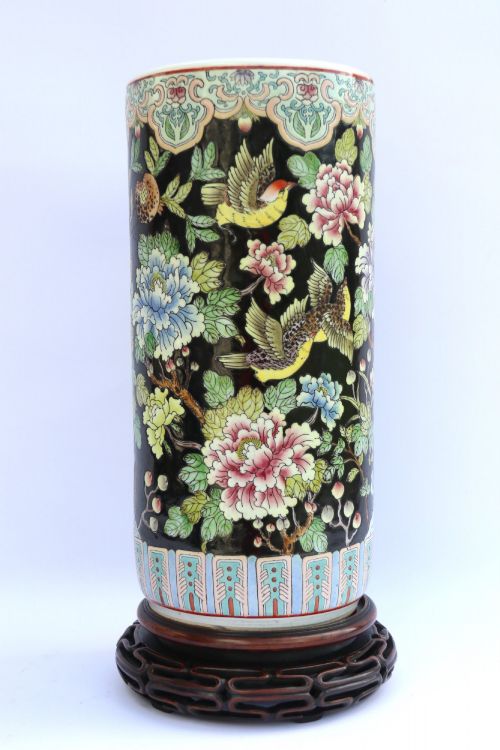
- Famille Noire
- A Chinese ceramic classification featuring a black enamel ground decorated with polychrome enamels. These pieces frequently showcase birds amidst floral branches.
- Lustre
- A type of ceramic pottery finish that produces a metallic or iridescent sheen when fired. Artists utilised this technique to give decorative vessels a shimmering surface quality.
- Came
- A grooved lead rod used to hold together pieces of stained or leaded glass in windows. Skilled artisans soldered these joints to form intricate pictorial designs.
Hand Painted Bird Art: Frequently Asked Questions
What is a decoy duck used for?
Decoy ducks were originally placed on bodies of water to attract wildfowl within range of hunters. Craftsmen carved and painted these wooden objects to mimic the exact size and plumage of living birds.
Over time, these utilitarian objects transitioned from working gear into sought-after pieces of folk art sculpture. Collectors now display them on shelves and mantelpieces for their rustic aesthetic.
How do I date an antique bird painting on glass?
Dating leaded glass windows requires examining the construction methods, the patina of the lead cames, and the style of the painted details. Victorian and Edwardian examples often incorporate amber bullseyes and hand-painted avian scenes.
Comparing the glass texture and framing techniques with established nineteenth-century pieces helps confirm the period. Original installation hardware also provides clues to the age of the window.
How should I clean painted wooden bird carvings?
Painted wooden surfaces require very gentle maintenance to preserve the original nineteenth or early twentieth century pigment. Dusting with a dry, soft cloth prevents the accumulation of grit without harming the delicate finish.
Moisture and harsh cleaning agents must be avoided entirely, as they can lift old paint layers from the timber. Keeping the carvings away from direct sunlight protects the colours from fading.
Are ceramic bird vases fragile?
Ceramic and porcelain vessels demand careful placement in the home to prevent accidental chips or cracks. While sturdy enough for display, materials like Edwardian pottery and enamelled glass remain vulnerable to sudden impacts.
Displaying them on stable surfaces away from high-traffic household areas ensures their preservation. Handling them with supported bases protects delicate handles and protruding decorative elements.