
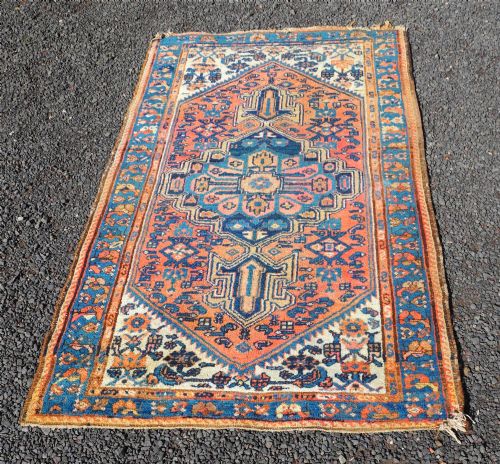
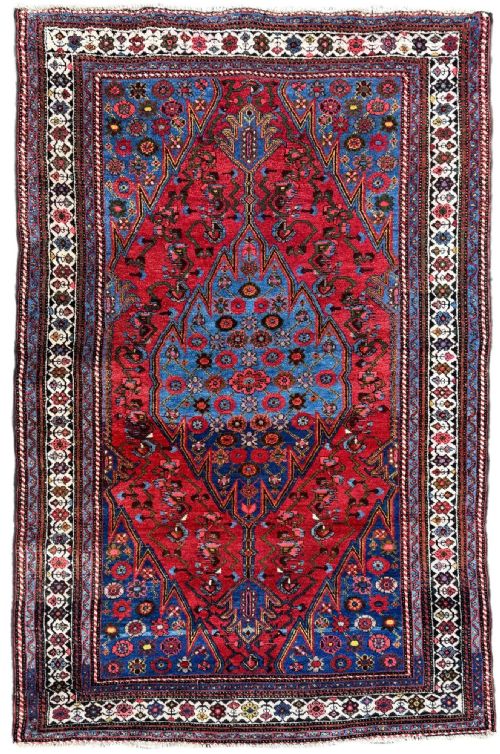
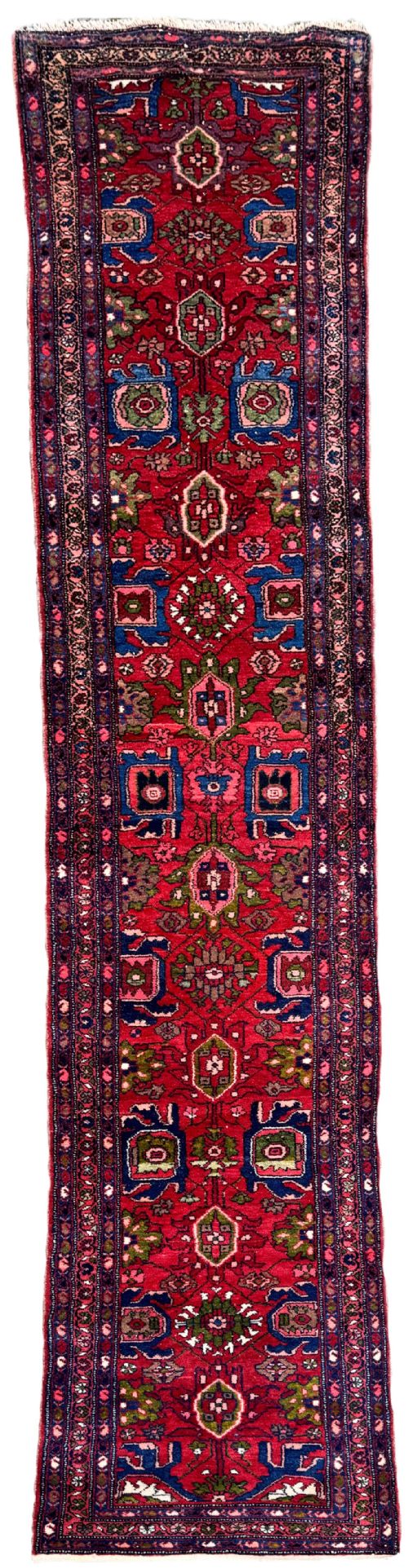
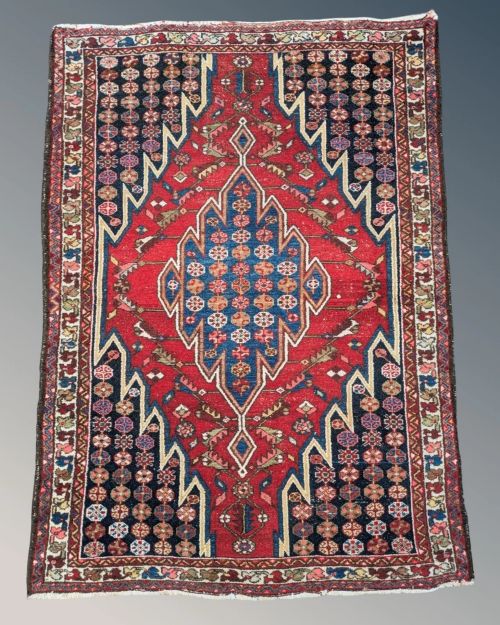
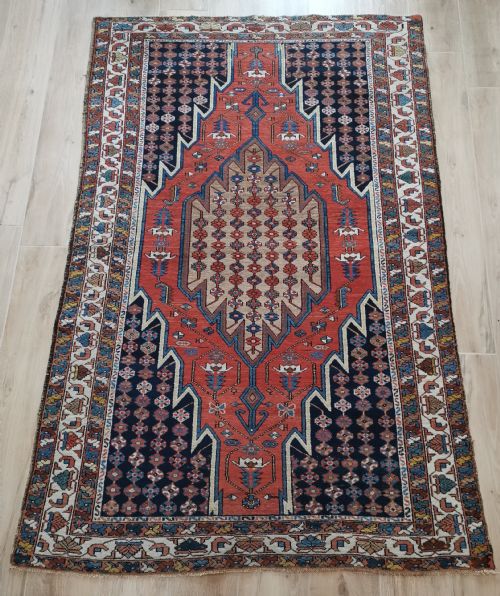
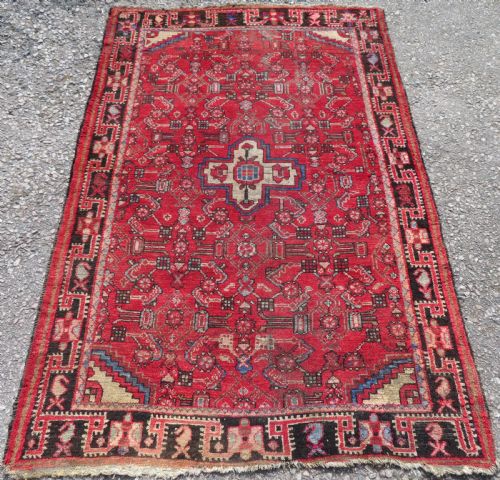
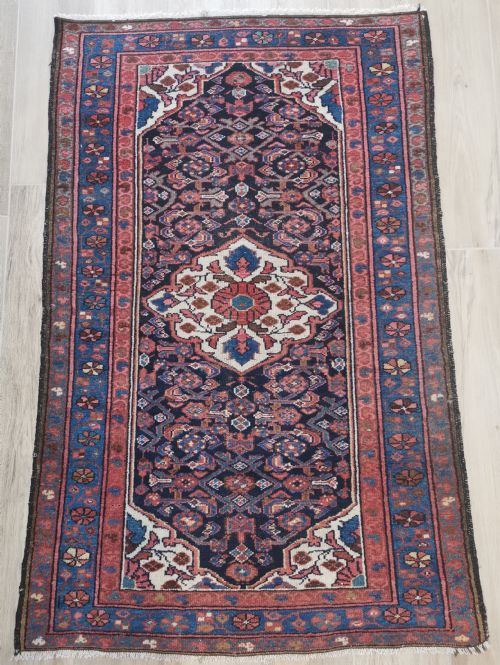
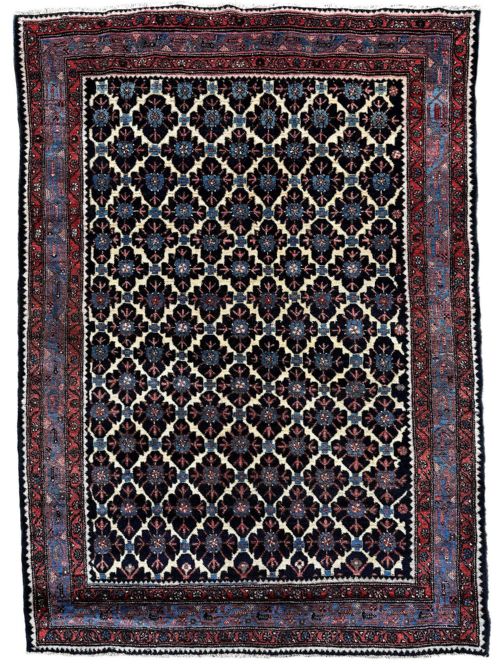
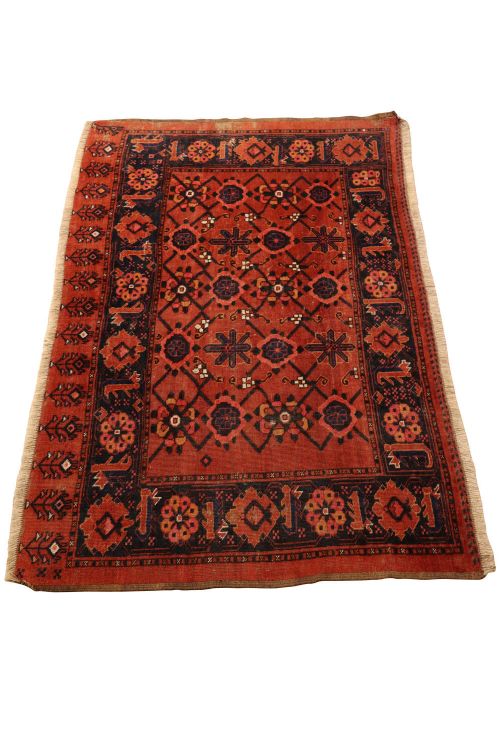


Hand Knotted Hamadan Carpet
A hand knotted hamadan carpet brings lasting West Persian village craft into a room, offering durability and rich geometric pattern.
Hand Knotted Hamadan Carpet
A hand knotted hamadan carpet represents the traditional weaving output of various villages and towns across the Hamadan region in West Persia. Buyers encounter these pieces in multiple formats, ranging from square formats and large rugs to long narrow hallway runners.
The selections span from the late nineteenth century through to the mid-twentieth century, capturing decades of domestic nomadic and village output. Pieces styled under related regional names such as Mazlaghan, Malayer, and Kurdish variants appear alongside standard Hamadan designations.
These floor coverings function primarily as heavy-duty domestic textiles designed for everyday utility. Their robust construction makes them suitable for high-traffic areas in both traditional and contemporary interiors.
Materials and Construction Methods
Construction relies on a foundation of sturdy cotton warps and wefts paired with thick wool pile. The organic wool provides natural resilience against wear, while the cotton framework ensures structural stability across large formats.
Weavers employed hand-knotting techniques handed down through generations, utilising traditional vertical looms set up in homes and small village workshops. Dyes derived from natural sources yielded deep, enduring tones that mellow gracefully over decades of use.
The listings span production dates from eighteen seventy up to nineteen forty, utilising natural wool and cotton materials across Persian tribal and village styles.
Assessing Quality and Execution
Knot density and structural tightness set finer examples apart from coarser utility pieces, dictating the crispness of the geometric motifs. Higher grade specimens maintain a dense, even pile that protects the foundation from premature thinning.
The integrity of the original wool and the consistency of the hand-spun yarn influence longevity. Examples displaying balanced proportions and well-executed regional designs command greater respect among collectors.
The Hand Knotted Hamadan Carpet Glossary
- Hamadan
- A major trading hub in West Persia where thousands of surrounding villages brought their rugs to market. The name designates a broad family of diverse village and tribal weaving styles.
- Runner
- A long, narrow carpet format traditionally utilised in hallways, corridors, or alongside larger furniture pieces. These rectangular formats vary significantly in length relative to their width.
- Kelleh
- A large-format rectangular carpet traditionally proportioned longer than it is wide. This size suited specific architectural spaces in Persian domestic interiors.
- Warp
- The vertical threads stretched tightly on the loom that form the structural skeleton of the carpet. The exposed fringe at either end of the rug consists of these foundational threads.
- Weft
- The horizontal strands passed alternately over and under the warp threads to lock the knots in place. This material works in tandem with the warp to create a stable textile foundation.
Hand Knotted Hamadan Carpet: Frequently Asked Questions
How do I clean an antique carpet?
Gentle vacuuming without a rotating brush attachment removes loose dirt safely. Professional specialist cleaning remains essential for deep restoration and washing.
Water exposure should be managed carefully to protect organic wool fibres and traditional dyes. Avoid harsh chemical detergents that strip natural oils from the pile.
Where were these textiles made?
Weaving centres and rural villages throughout the Hamadan region of West Persia produced these carpets. Surrounding districts such as Malayer and Borodjert contributed distinct regional variations.
Local artisans worked in domestic settings, utilising materials sourced directly from regional flocks and agriculture. Each village imparted subtle stylistic signatures to its output.
Are these items suitable for hallways?
Narrow runner formats fit easily into corridors, stairs, and transitional spaces. Their dense wool construction handles heavy daily foot traffic efficiently.
Underlay placement prevents slipping and reduces friction between the floorboards and the cotton foundation. This simple precaution extends the operational lifespan of older runners.
How do I identify a regional style?
Examining border motifs, structural proportions, and colour palettes helps differentiate specific village traditions. Elements associated with Kurdish, Mazlaghan, or Malayer origins often reveal themselves in the underlying geometry.
Comparing knot structure and foundation materials provides further clues regarding precise geographic origin. Reference literature on Persian village rugs aids in formal attribution.