
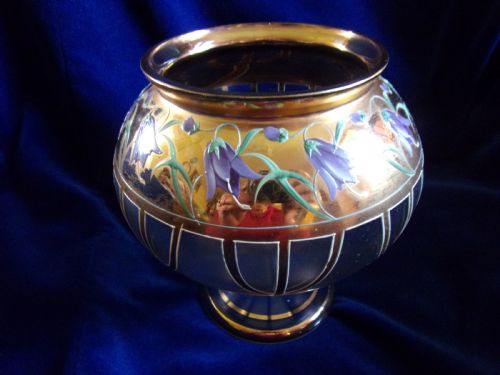


Hand Enamelled Floral Vases
These hand enamelled floral vases bring together vibrant painted blooms and detailed glazing across multiple centuries of craftsmanship.
Hand Enamelled Floral Vases
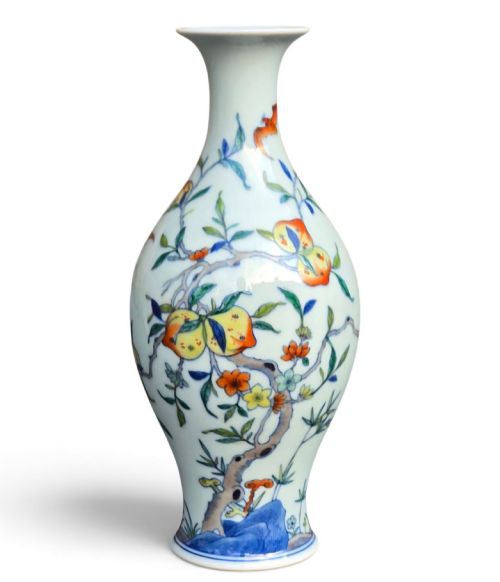
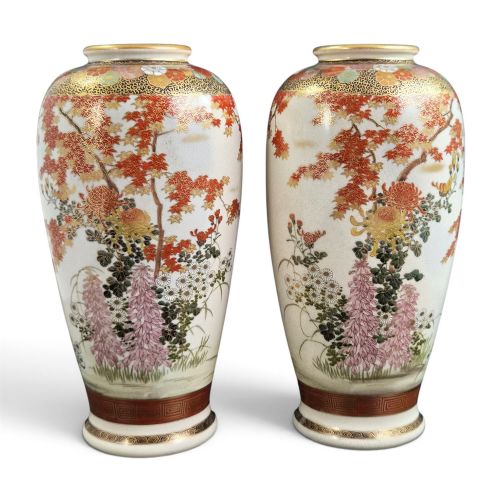
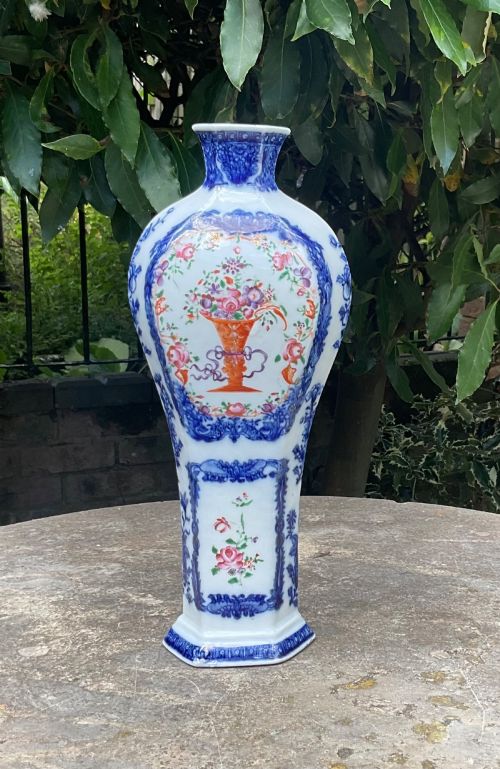
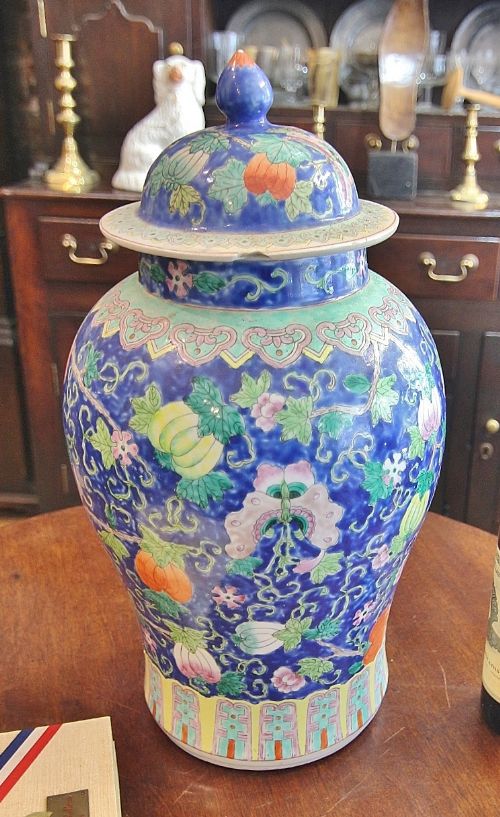
Hand enamelled floral vases encompass a diverse range of decorative vessels featuring painted botanical motifs applied in rich enamel pigments. The selection spans periods from the eighteenth century through to the mid twentieth century, drawing on Victorian, Edwardian, Meiji, and Chinese export traditions.
The decorative schemes frequently employ polychromatic enamel work combined with gilding, gold leaf, and raised white enamel details. Individual pieces showcase distinct regional aesthetics, ranging from Japanese Satsuma earthenware to English and Bohemian decorative glassware.
Materials and techniques
Glassmakers shaped vessels from clear, opaline, green, amethyst, and opaque glass before applying surface enamel paints and firing the pieces to fix the pigments. Artisans frequently integrated gold leaf, gilding, and raised white enamel to give depth and texture to the floral compositions.
Ceramic pieces utilised porcelain and earthenware bodies, decorated with hand painted mineral enamels and protective glazes. Japanese Satsuma and Kutani workshops employed fine clay bodies finished with intricate enamel work, while European potteries applied similar botanical designs to refined porcelain surfaces.
Some nineteenth century glass vases wear their hand painted wild roses with enduring charm, untouched by time.
Assessing quality
The refinement of the painted botanical detail separates standard production pieces from exceptional exhibition quality items. Precision in brushwork, the careful application of raised enamel, and the integration of gold leaf indicate the skill of the original artisan or workshop.
The clarity and finish of the base material, whether glass, porcelain, or earthenware, also influence the overall standard of the vessel. Heavier forms, balanced proportions, and well preserved gilding demonstrate superior manufacturing standards across different periods.
Maruni Kobe·Moser·Hakusan·Hododa·George Tye·Samson Paris·Minton
The Hand Enamelled Floral Vases Glossary
- Enamel
- A glass-like substance fused to metal, glass, or ceramic through firing to provide colourful decoration. It creates a smooth, glossy surface that holds pigments securely over time.
- Opaline Glass
- A pale, translucent art glass developed during the nineteenth century, often appearing in white, pink, or blue shades. It served as a popular background for hand painted floral designs.
- Garniture
- A set of matching vases or ornamental vessels designed to be displayed together on a mantelpiece or sideboard. These sets typically consist of three or more graduated pieces.
- Satsuma
- A type of Japanese earthenware featuring a crackled ivory glaze decorated with polychromatic enamel and gold. Originating in Kagoshima province, it became widely exported during the Meiji period.
- Cloisonne
- A decorative metalwork technique where enamel paste is applied within compartments created by soldered wires. The piece is then fired and polished to a smooth finish.
Hand Enamelled Floral Vases: Frequently Asked Questions
Can these vases hold water for flowers?
Most antique glass and ceramic vessels function primarily as decorative objects rather than practical flower holders. Moisture can seep into older glazes, porous earthenware bodies, or unsealed interior surfaces.
It is safest to use a discreet inner container if you wish to display fresh stems inside a delicate vase. Alternatively, display them dry or with dried botanical arrangements.
How do I date a painted floral vase?
Examine the base material, manufacturing technique, and style of the enamel decoration for period clues. Victorian and Edwardian glass often exhibits specific colour palettes and bulbous silhouettes characteristic of the nineteenth century.
Maker marks, mon symbols, and stylistic traits like Art Nouveau curves or Meiji period motifs provide further chronological context. Comparing the construction methods with documented pieces helps narrow down the decade of production.
What is a vase garniture?
A garniture is a matched set of three or more vessels created to be displayed as a decorative unit. These sets typically feature a central larger piece flanked by symmetrical smaller vases.
Originating in traditional interior display arrangements, garnitures bring balance and cohesion to mantelpieces and large furniture surfaces. Each piece shares consistent enamel painting styles and material composition.