




Hand Embroidered Art
Hand embroidered art brings together centuries of needlework, silk panels and tribal textiles from Georgian samplers to Central Asian suzanis.
Hand Embroidered Art
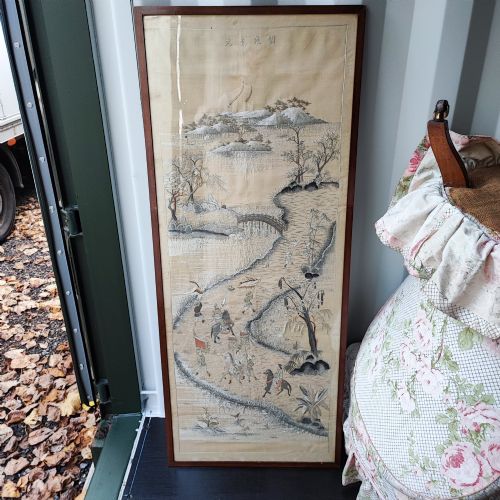
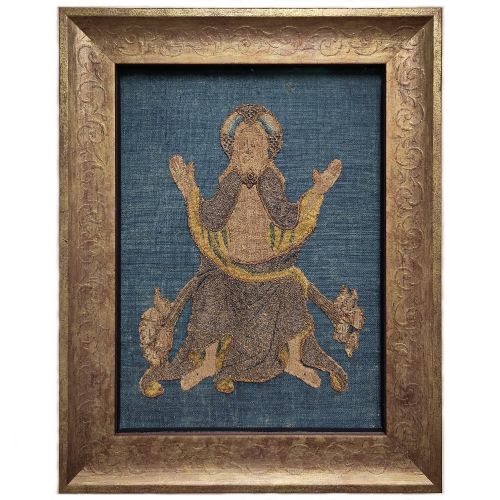
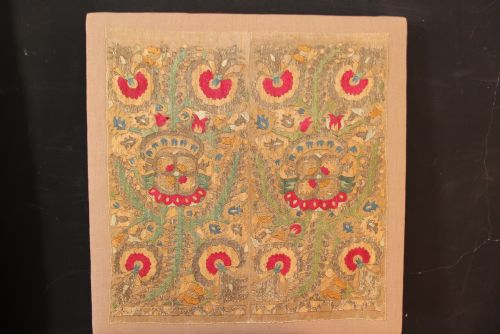
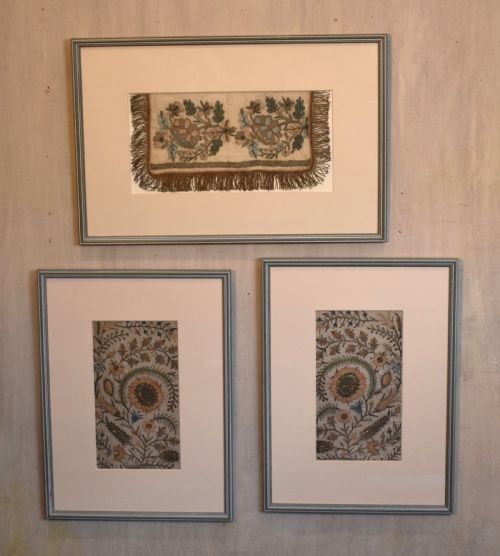
Hand embroidered art comprises historical needlework pictures, framed samplers and wall hangings spanning the eighteenth century to the early twentieth century. Buyers encounter English alphabet samplers alongside Central Asian suzanis, Greek island textile fragments and Chinese silk panels.
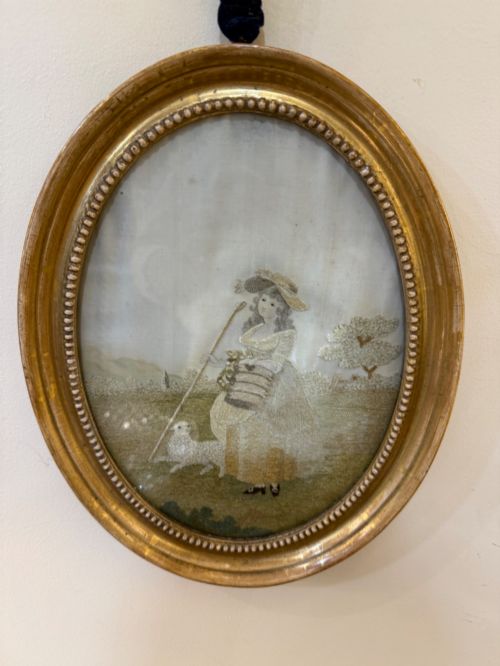
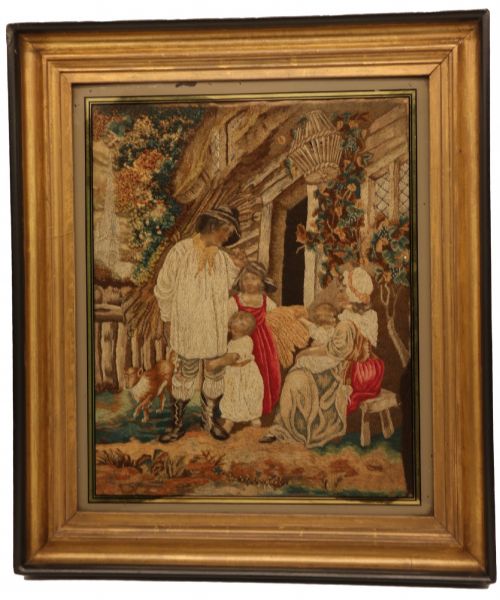
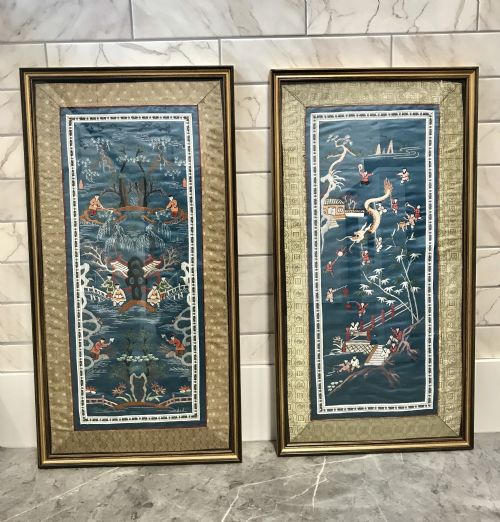
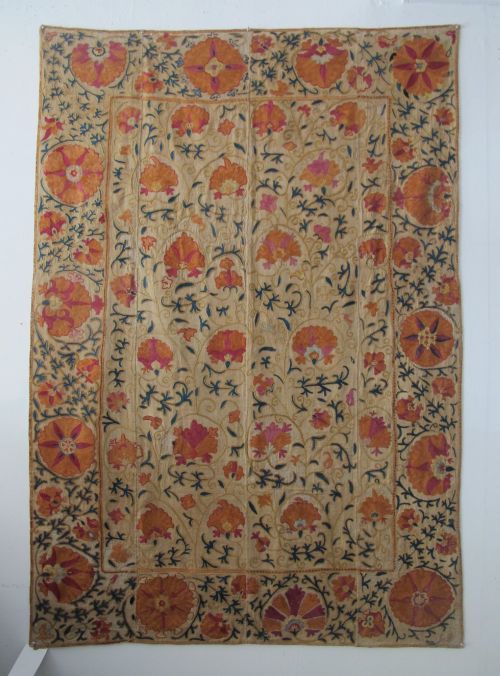
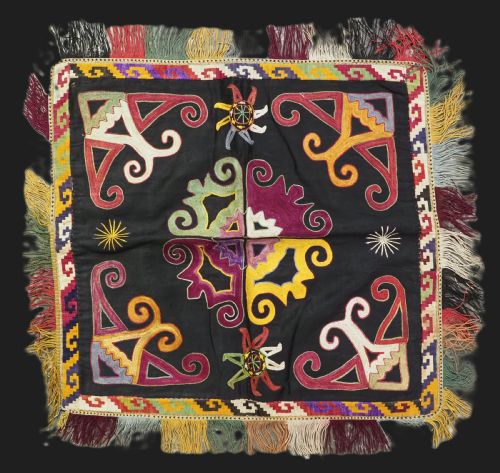
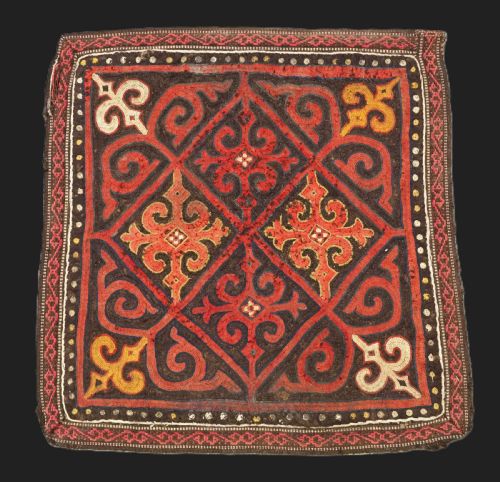
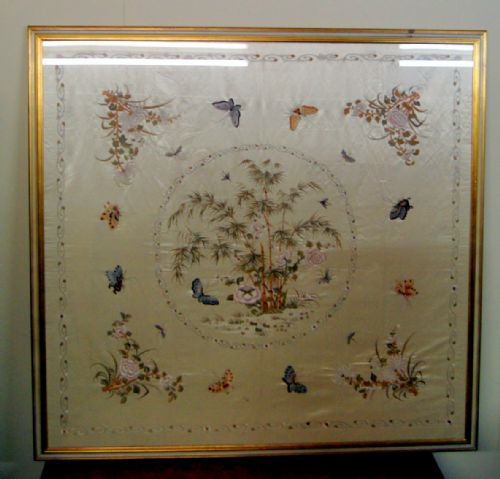
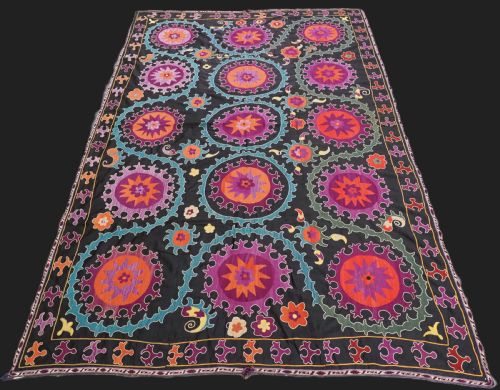
The selections on this page lean heavily toward tribal wall hangings and ceremonial textiles from Uzbekistan and Kyrgyzstan, such as suzanis, felt panels and yurt decorations. Alongside these pieces appear European needlework pictures framed under glass, combining hand painted silk with fine thread work.
Regional forms vary widely, moving from the geometric folk art of Epirus and Skyros to dense floral motifs worked in Bokhara and Tashkent. Each piece records domestic or ceremonial labour through the medium of thread, cotton, linen and silk.
Materials and construction
Needlework pieces are constructed using silk, cotton, wool and linen threads applied to woven grounds of varying weights, occasionally supported by wood frames and glass panels. Ground fabrics range from red and black cotton foundations in Central Asian suzanis to velvet in Indian pieces and heavy felt in nomadic Kyrgyz panels.
Stitching techniques involve freehand needlework, satin stitch and detailed thread manipulation executed by hand. Artisans combined painted silk elements with embroidered figures, dragons and floral designs, mounting textiles for preservation or use as wall hangings and ceremonial garments.
Hand Embroidered Art Retail Price Guide 2026
Typical asking prices for hand embroidered art among the pieces listed under this phrase on Sellingantiques today, from the lower quarter to the upper quarter. They describe what is for sale here now, not the wider market.
Mary Mason aged 12 left her stitches behind in a sampler.
Distinctions in quality
Quality rests upon the density of the stitching, the complexity of the design and the preservation of the ground fabric and thread colours. Fully embroidered panels, known as full work suzanis, demonstrate a greater commitment of labour than pieces with sparse or partial coverage.
The clarity of the motifs, the intricacy of regional patterns and the structural integrity of the textile determine the standing of an individual work. Original ground fabrics retain their strength, while surviving examples under glass often show superior protection from environmental wear.
The Hand Embroidered Art Glossary
- Suzani
- A large, embroidered tribal wall hanging originating from Central Asia, traditionally worked in silk thread on a cotton or linen ground.
- Sampler
- A piece of needlework produced to demonstrate proficiency in various stitches and alphabets, often signed and dated by young makers.
- Tush kyiz
- A large, elaborate embroidered wall hanging traditionally made in Kyrgyzstan by women to commemorate the marriage of a son.
- Giltwood
- Wood that has been treated with gold leaf or a gold-coloured finish, frequently used in the frames surrounding antique needlework pictures.
- Ilgich
- A specific category of embroidered dowry hanging produced by the Lakai tribe in Central Asia.
Hand Embroidered Art: Frequently Asked Questions
How were suzanis used?
Suzanis served primarily as ceremonial textiles and wall hangings within Central Asian homes, often forming part of a bride's dowry. They were displayed during weddings and family celebrations to signify status and wealth.
Over time, these textiles functioned as decorative coverings and soft furnishings within nomadic and settled households alike.
What is a sampler?
A sampler is a piece of needlework created by individuals, often children, to practice different stitches, alphabets and decorative motifs. These works recorded the maker's name and age, functioning as a tangible record of domestic education.
Framed examples preserve these early needlework exercises as historical documents of textile craft.
How should textile art be hung?
Needlework panels and wall hangings require careful mounting to distribute weight evenly across the fabric without causing strain on the stitches. Supporting the textile on a padded board or placing flat pieces behind glass protects the fibres from dust and handling.
Keeping textiles away from direct sunlight prevents the fading of silk and cotton threads over time.
How do you date antique embroidery?
Dating relies upon stylistic markers, material analysis, regional design characteristics and any inscribed dates or signatures left by the maker. Samplers frequently display explicit years, while tribal pieces require comparison with known examples from specific decades.
Examinations of the thread types, dyes and ground fabrics further assist in narrowing the period of production.