
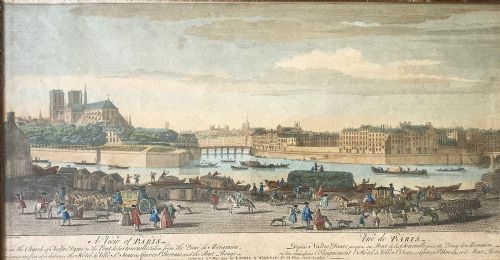
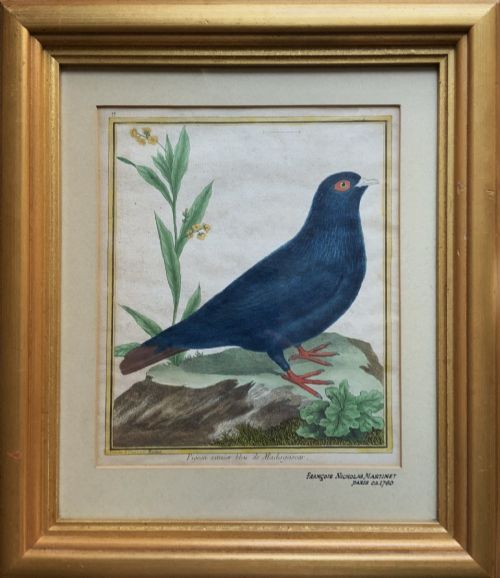
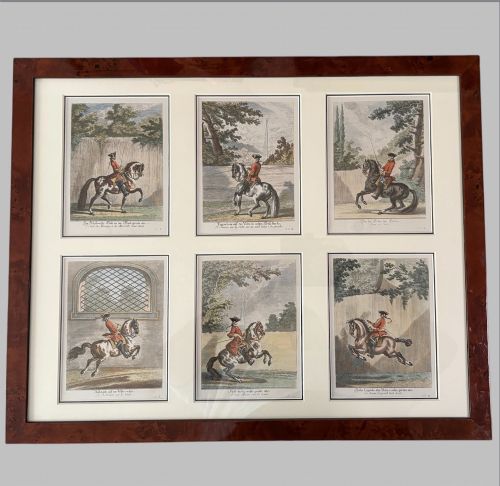
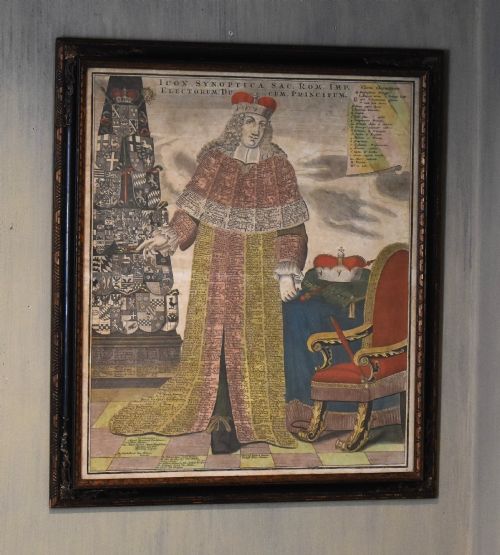


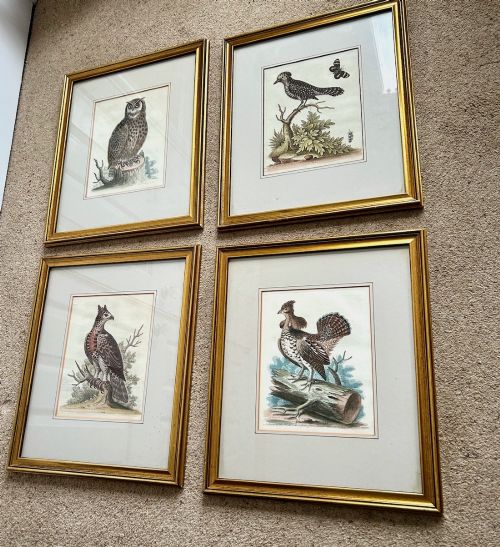


Hand Coloured Copperplate Engraving
These hand coloured copperplate engraving examples bring centuries of historical detail, cartography and natural history straight to the wall.
Hand Coloured Copperplate Engraving
A hand coloured copperplate engraving is a printed sheet brought to life with applied watercolour, ink and sometimes gold leaf. When you search for hand coloured copperplate engraving, you encounter pieces spanning from the seventeenth century through to the nineteenth century, including Georgian atlases and natural history plates.
The selections on this page divide neatly between decorative cartography and natural history subjects. You find county maps, town plans, and detailed studies of birds, serpents and botanical specimens framed in wood, glass and gilt wood.
Dating ranges from pre-sixteenth century mapping through to eighteenth century English and European works, alongside nineteenth century sporting art. Most pieces arrive mounted and framed, ready for domestic display.
Materials and production methods
Makers cut lines into copper plates before inking the surface and pressing it onto paper. Artisans then applied watercolour washes by hand to highlight specific areas of the printed design.
Frames utilise traditional materials such as burr wood veneer, gilt wood and plain timber, protecting the paper behind glass.
Several eighteenth century serpents coil quite comfortably beside polite English county maps and botanical studies.
Assessing quality in historical engravings
Quality rests upon the crispness of the original impression from the copper plate and the precision of the hand applied watercolour. Earlier plates yield sharper lines, while later printings can sometimes show signs of plate wear.
The vibrancy and accuracy of the contemporary or later pigment application greatly influences visual appeal. Finer examples retain clear, clean paper grounds alongside carefully preserved hand tinting.
François-Nicolas Martinet·George Edwards·Joan Blaeu·Johannes Janssonius·Robert Morden·Thomas Kitchin·Georg Wolfgang Knorr·Eman Bowen
The Hand Coloured Copperplate Engraving Glossary
- Copperplate
- A printing plate made from rolled copper sheet into which an image is incised using burins or acid. This metal medium allowed fine, detailed lines essential for intricate maps and natural history illustrations.
- Hand colouring
- The deliberate application of watercolour or ink to a monochrome print after the printing process. This technique elevated utilitarian maps and scientific plates into decorative works of art.
- Cartography
- The science and art of making maps, heavily represented in early engraved works. County maps and regional atlases from this tradition form a large portion of available pieces.
- Mezzotint
- A printmaking process where the copper plate is roughened to produce rich tonal variations rather than simple lines. Robert Sayer utilised this method for atmospheric prints.
Hand Coloured Copperplate Engraving: Frequently Asked Questions
How should I hang my framed engraving?
Keep prints away from direct sunlight to prevent the watercolour pigments and paper from fading over time. Stable indoor humidity levels protect both the antique paper and the wooden framing.
Ensure secure wall fixings, as framed maps and plates often carry significant weight from glass and timber mouldings.
Are these prints original to their stated date?
The dates given reflect the period of publication for the specific plate or atlas edition. Cartographic works often list the original survey date alongside the printing date.
Hand colouring was frequently applied contemporaneously or during a later period of the work's history.
How do I identify a copperplate engraving?
Look closely for the plate mark, an indentation in the paper where the edges of the metal plate pressed into the sheet during printing. The ink lines themselves sit slightly proud of the paper surface.
Magnification reveals the characteristic continuous lines of engraved or etched work rather than modern dot patterns.
What subjects are most common?
County maps and regional cartography dominate the selection, offering historical views of British and European geography. Natural history subjects, including birds, flora and serpents, also appear frequently.
Sporting art and military scenes represent the later nineteenth century portion of the inventory.