




Hand Carved Wooden Stool
Hand carved wooden stool forms span centuries of domestic craft, offering utilitarian charm and sculptural presence to any room.
Hand Carved Wooden Stool
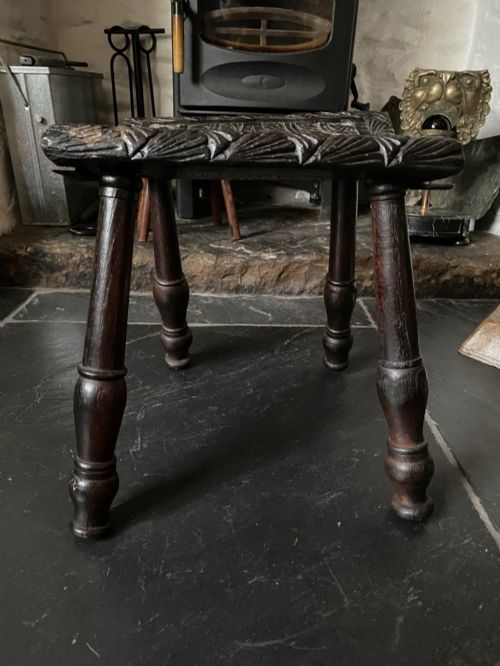
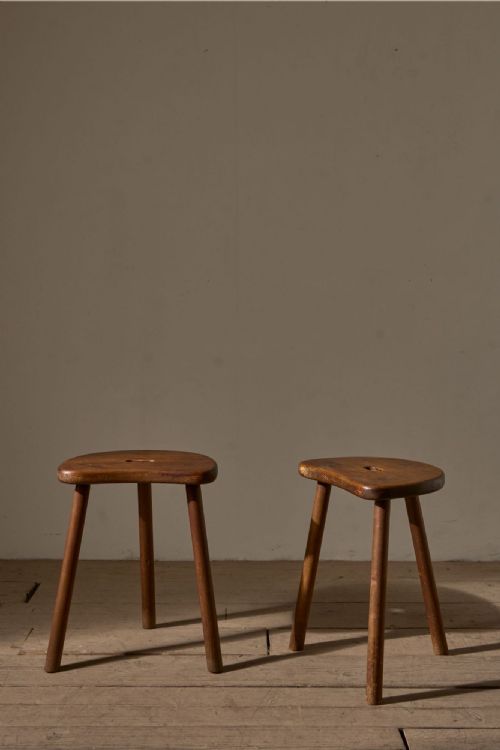
When you search for a hand carved wooden stool, you encounter a diverse array of utilitarian seating and small tables shaped by hand across various periods. These objects bridge the gap between functional furniture and folk art, emerging from domestic workshops and regional traditions alike.
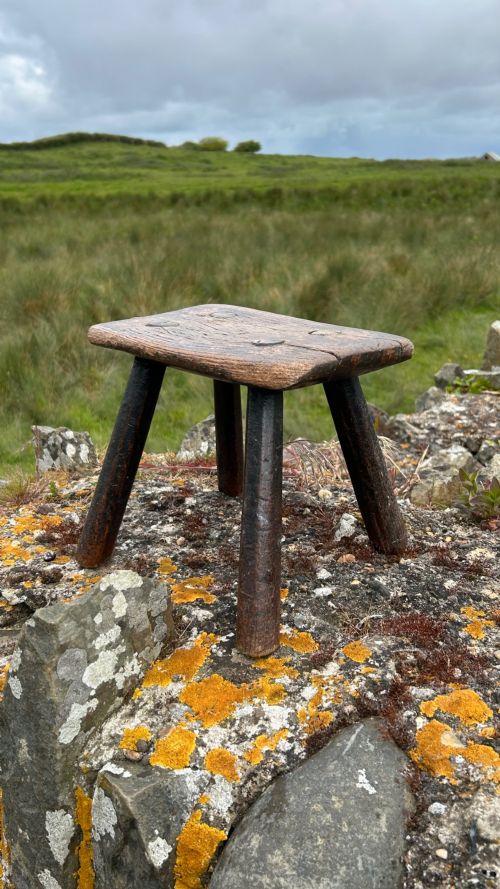
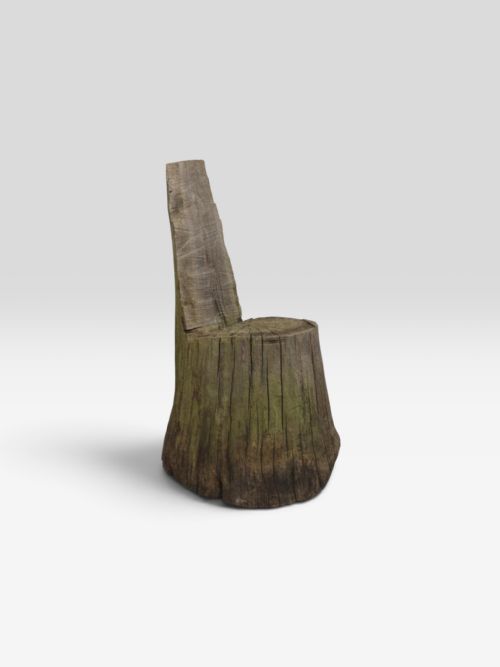
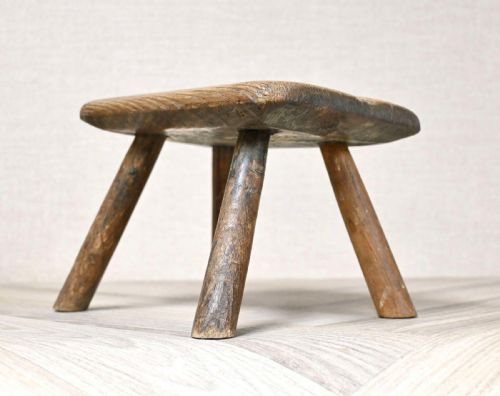
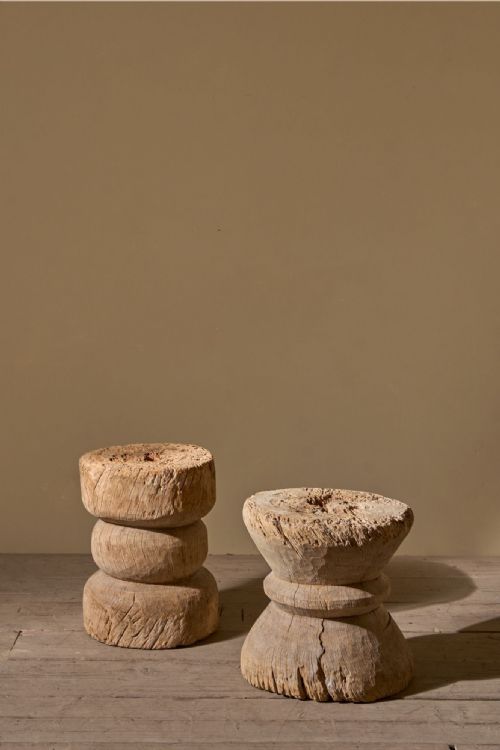
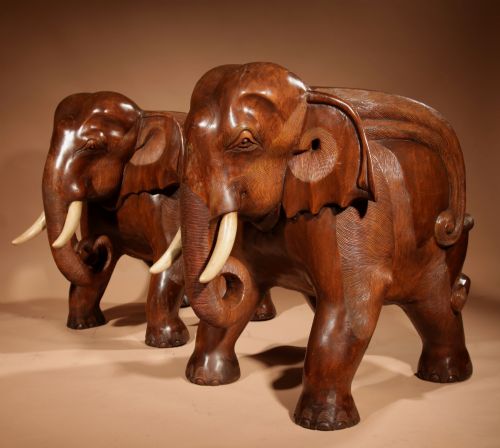
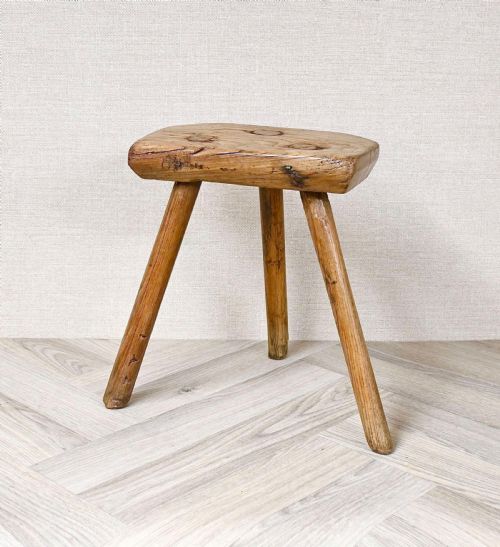
The selections available range from early hearth stools and primitive milking stools to sculptural African tribal stools and Anglo-Indian teak pieces. You are most likely to meet rustic country designs alongside examples displaying intricate regional carving, utilising solid timber forms.
Originating from British vernacular traditions as well as international workshops, these pieces serve as low seating, occasional tables, or decorative accents. Their forms reflect the practical needs and artistic expressions of makers from the seventeenth century onwards.
How they were made
Makers relied on solid timber and regional hardwoods such as oak and teak, shaping the material with hand tools and adzes. Structural integrity depended on traditional joinery methods suited to the demands of everyday utility.
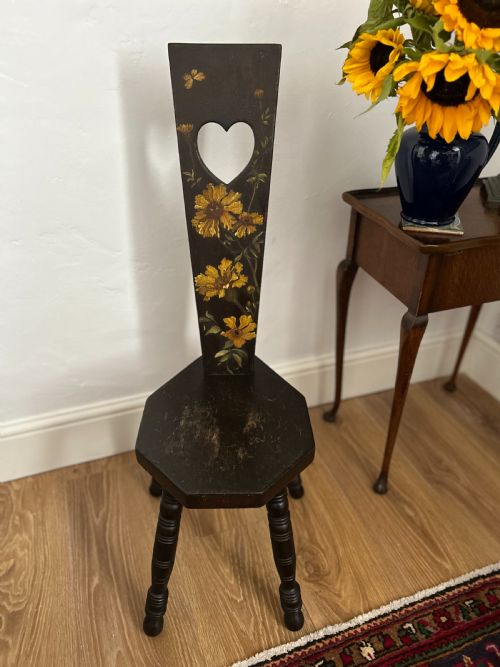
Surface treatments varied from bare wax finishes highlighting natural grain to painted or lacquered details. Certain regional pieces incorporate bone inlay or applied pigments, whilst others rely entirely on the depth of the carved relief.
Hand Carved Wooden Stool Retail Price Guide 2026
Typical asking prices for hand carved wooden stool among the pieces listed under this phrase on Sellingantiques today, from the lower quarter to the upper quarter. They describe what is for sale here now, not the wider market.
What varies in quality
The standard of a hand carved wooden stool rests upon the depth and control of the chisel work rather than mere complexity. Superior examples display confident, purposeful carving that integrates harmoniously with the natural grain and structure of the wood.
Material selection significantly influences the standing of a piece, with dense hardwoods and well-seasoned oak commanding greater appreciation. Structural honesty and the preservation of original surfaces, whether unadorned timber or historic paint, separate ordinary items from those of lasting character.
The Hand Carved Wooden Stool Glossary
- Joint stool
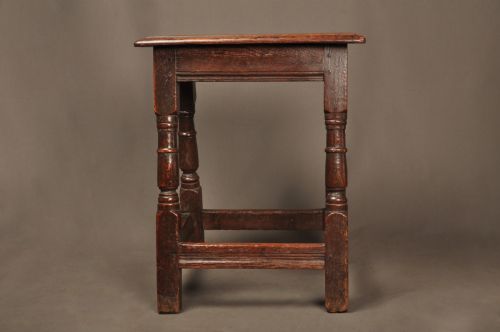
- A low wooden seat constructed with mortise and tenon joints pegged together. These sturdy pieces date back to the seventeenth and eighteenth centuries.
- Milking stool
- A simple, three-legged seat designed for agricultural labour. Their rustic charm derives from elementary peg construction and utilitarian purpose.
- Vernacular furniture
- Domestic objects built by local craftspeople using regional materials to satisfy immediate practical needs. These pieces reflect local traditions rather than courtly fashion.
- Tribal art
- Creative works produced by indigenous cultures, often carrying symbolic or ceremonial significance. In this context, they encompass carved wooden stools and seats.
- Bobbin turned
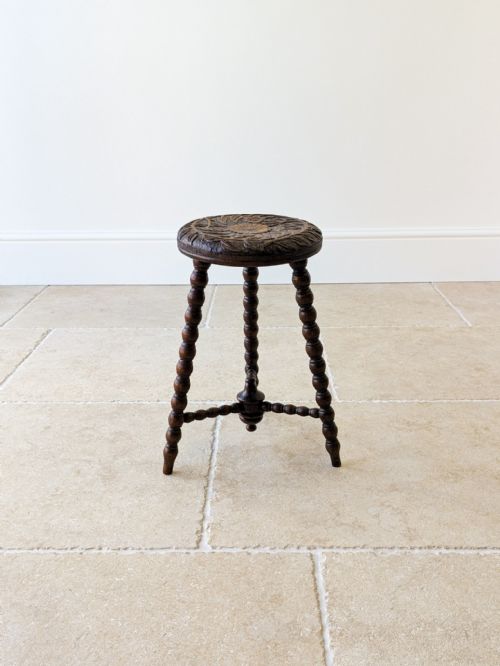
- A style of furniture leg or stretcher shaped on a lathe to resemble a series of wooden bobbins or reels. This decorative turning appears on seventeenth and nineteenth century seating.
Hand Carved Wooden Stool: Frequently Asked Questions
How do I date a wooden stool?
Dating relies on examining tool marks, timber species, and construction methods. Earlier pieces often display hand-adzed surfaces and pegged joinery.
Secondary indicators include regional style influences and the natural patina accumulated on the wood over generations of use.
Were these stools used for seating?
Many examples served as primary seating by hearths, in dairies, or during domestic tasks. Their low stature made them practical for close work near the fire.
Over time, many surviving pieces transition into decorative side tables or plant stands within modern interiors.
How do I care for antique wood?
Maintain antique timber by avoiding direct sunlight and excessive temperature fluctuations that cause the wood to dry out. Regular application of suitable beeswax preserves the finish.
Clean surfaces gently with a dry or slightly damp cloth, avoiding modern chemical polishes that strip historic wax layers.