

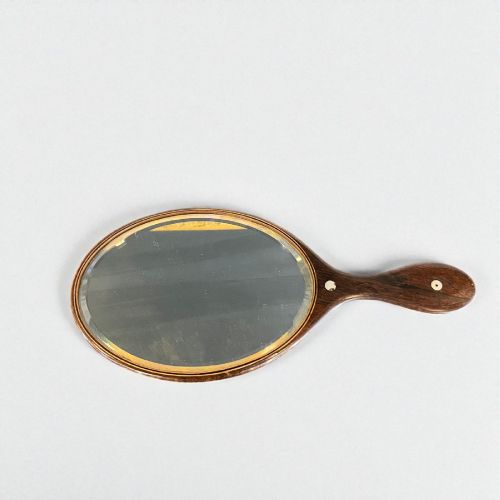
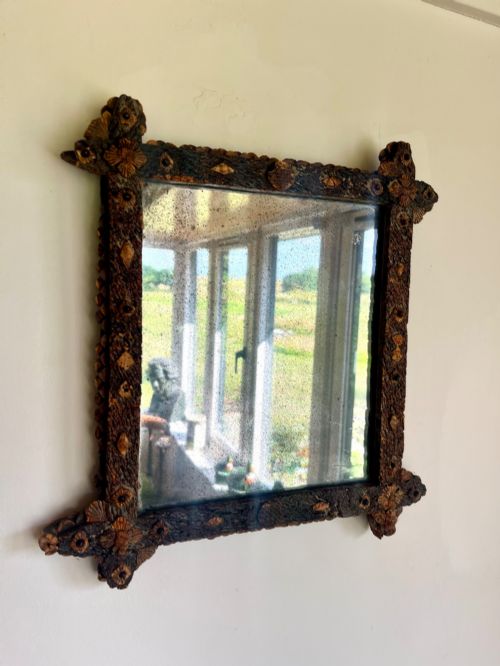
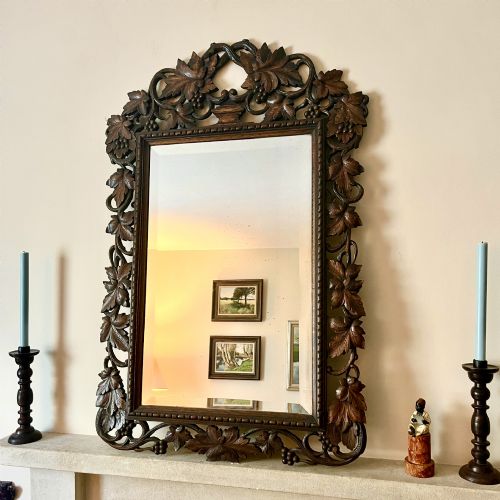
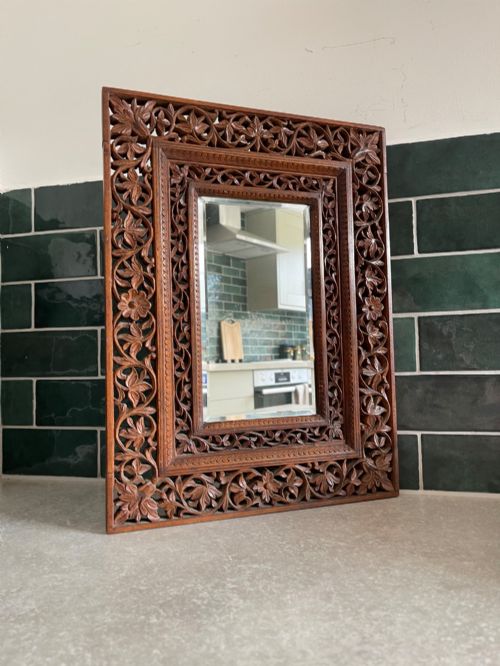





Hand Carved Wood Mirror
These hand carved wood mirror pieces bring tactile depth to a room through diverse regional styles and periods.
Hand Carved Wood Mirror
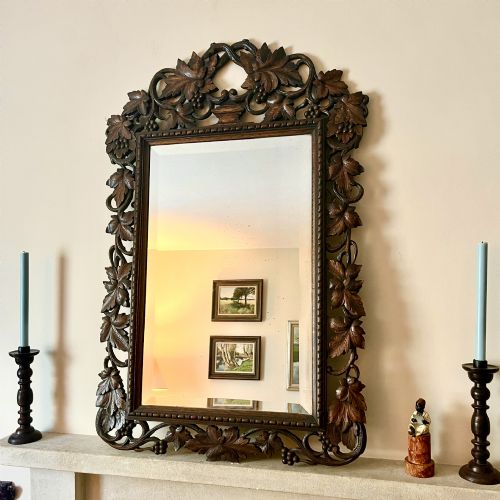
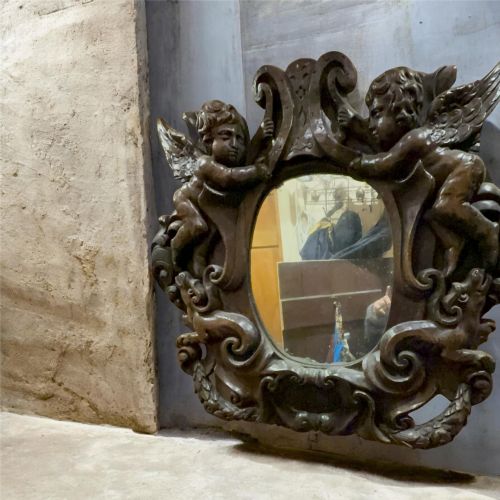
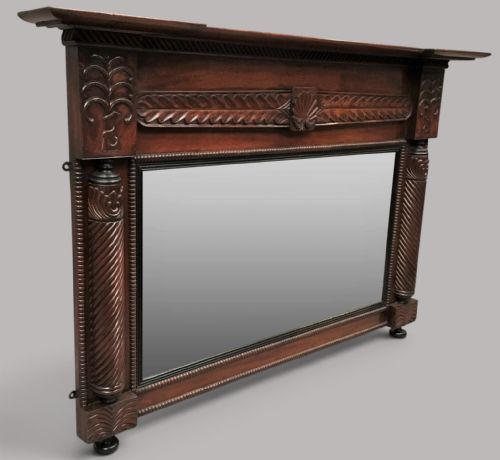
A hand carved wood mirror spans centuries of regional craftsmanship, from local European workshops to distant trade centres. When you search for this phrase, you encounter wall mirrors, overmantel mirrors, and pier glasses created to anchor a room.
The most common examples on this page date from the nineteenth century, including Victorian oak pieces and intricately decorated continental items. These objects combine functional glass with sculptural woodwork that reflects distinct period tastes.
Materials and construction
Wood serves as the primary structural and sculptural medium, featuring oak, walnut, limewood, and teak. Artisans shape these timbers through detailed carving before applying surface treatments such as gold leaf, paint, or polish.
Mirror glass is set within these carved wooden frames, occasionally accompanied by gesso details, mother of pearl inlay, or reverse painted panels. Construction methods range from heavy country house joinery to delicate European gesso work.
Hand Carved Wood Mirror Retail Price Guide 2026
Typical asking prices for hand carved wood mirror among the pieces listed under this phrase on Sellingantiques today, from the lower quarter to the upper quarter. They describe what is for sale here now, not the wider market.
Periods represented span from the eighteenth century through the Victorian era and into the early twentieth century.
Judging the quality of the carving
Quality rests in the depth and crispness of the hand carving, where confident tool marks distinguish skilled regional work from mechanical production. Deep undercut foliage, figures, or animal motifs demonstrate superior handling of the timber.
The integration of the mirror glass with the frame indicates the original standard of assembly. Well-preserved gilding, intact paintwork, and stable timber joints elevate an example above standard decorative items.
L Blondie
The Hand Carved Wood Mirror Glossary
- Pier glass
- A tall wall mirror designed to hang on the narrow wall space between windows. It frequently pairs with a console table placed below.
- Overmantel mirror
- A wide mirror designed to sit directly above a fireplace mantelpiece. These pieces often feature horizontal proportions suited to domestic hearths.
- Giltwood
- Wood that has been coated with a thin layer of gold leaf or gold paint. This finish creates a luminous reflective surface favoured in formal interiors.
Hand Carved Wood Mirror: Frequently Asked Questions
Where should I hang a hand carved wood mirror?
These mirrors suit locations where their sculptural frames receive adequate light to reveal the carving detail. Overmantel mirrors belong above fireplaces, while smaller wall mirrors function well in hallways or above console tables.
Consider the weight of the timber frame when selecting a wall fixing. Oak and walnut pieces require secure support to bear the load safely.
How do I identify Black Forest mirrors?
Black Forest mirrors originate from nineteenth-century woodworking traditions in central Europe and Switzerland. They feature deep, naturalistic carvings of animals, birds, foliage, and rustic forest elements.
Common motifs include oak leaves, stags, and birds of prey rendered in dark woods like walnut or lime. The carving is typically bold and highly sculptural.
What is Anglo-Indian woodwork?
Anglo-Indian pieces combine traditional Indian carving techniques with European furniture forms popular during the nineteenth century. They utilise dense tropical timbers such as teak.
These items often display intricate floral or geometric relief work executed with remarkable precision. The resulting objects reflect colonial trade and cultural exchange.
How do I care for antique giltwood?
Giltwood frames require gentle treatment to preserve the delicate gold leaf layer. Dust them dry with a soft brush rather than using wet cloths or chemical cleaning products.
Keep them away from direct sunlight and excessive moisture to prevent the gesso base from cracking. Proper placement ensures the metallic finish remains stable over time.