


Hand Carved Wood Bench
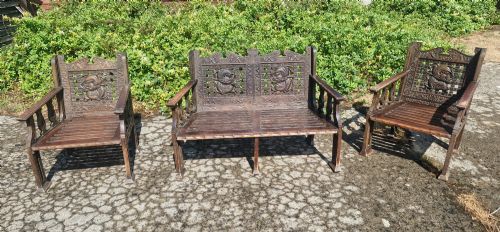
A hand carved wood bench brings sculptural texture and regional craft straight into an interior, ranging from rustic country seats to elaborate Anglo-Indian and African forms.
Hand Carved Wood Bench
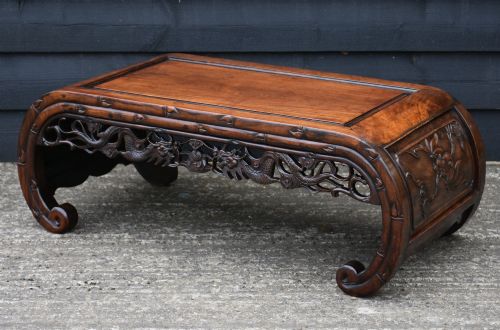
When you search for a hand carved wood bench, you enter a diverse field of seating that spans rustic country pieces, tribal forms, and ornate period furnishings. The examples appearing on this page encompass various regional traditions, including Anglo-Indian creations, Chinese traditional works, and African tribal items.
The version most likely to meet you here is a substantial hardwood or teak seating piece, often incorporating figurative elements such as elephants or intricate geometric patterns. Alongside traditional hall benches, the selection includes related low stools, daybeds, and ceremonial seating from the eighteenth, nineteenth, and early twentieth centuries.
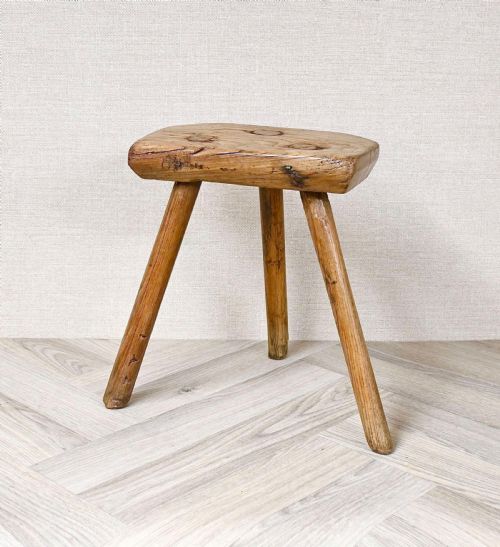
Makers and artisans utilised local timber traditions across continents, yielding objects that function equally as occasional seating or sculptural tables. Every period represented - from Georgian giltwood to primitive nineteenth-century village work - brings a distinct cultural narrative to the domestic interior.
How they were made
The construction of these pieces relies heavily on dense hardwoods and teak, worked entirely by hand using traditional chisels and gouges to achieve deep relief carving. Artisans shaped structural timbers and tree roots directly, marrying utilitarian strength with sculptural expression.
Certain regional variations incorporate gesso, gold leaf, and applied pigment over the timber base, notably in Venetian and European gilded seating. Joinery methods vary widely by origin, shifting from pegged frame construction in country furniture to monolithic carved blocks in tribal stools.
Several pieces double as ceremonial beds or elephant seats, proving that historical ancestors sat with significantly more imagination than we do.
What varies in quality
Quality rests primarily in the depth, precision, and crispness of the hand carving, where skilled articulation of motifs like dragon details or figurative elements distinguishes masterwork from simple village production. The inherent character of the timber itself dictates value, with dense hardwoods showing superior grain retention and structural integrity over centuries.
The harmony between structural form and decorative surface marks the division at the upper end of the range, particularly where gilding, gesso, or pigment remains well-preserved on eighteenth and nineteenth-century frames. Proportion and the integrity of the original construction without excessive modern intervention separate significant regional artefacts from lesser utility pieces.
The Hand Carved Wood Bench Glossary
- Hardwood
- Timber derived from broad-leaved trees, providing the dense, durable material necessary for intricate and deep relief carving.
- Gesso
- A plaster-like mixture applied to wood surfaces to prepare them for gilding or painting, found on European period pieces.
- Gold Leaf
- Hammered gold beaten into extremely thin sheets, used to gild wooden frames and decorative seating.
- Anglo-Indian
- A style describing furniture made in India during the British period, combining local craftsmanship with European forms.
- Bamileke
- A cultural group from Central Africa known for intricately carved wooden ceremonial beds and stools.
Hand Carved Wood Bench: Frequently Asked Questions
Where should I place a carved wooden bench?
These pieces suit entrance halls, conservatories, or living spaces where their sculptural form can be fully appreciated as both seating and display.
Smaller stool and bench variants also function effectively as low coffee tables or accent surfaces within contemporary rooms.
How do I care for antique carved wood?
Maintain the timber by dusting regularly with a dry cloth and avoiding placement near direct heat sources that cause wood to split.
Preserve original surfaces by omitting modern chemical polishes and consulting a specialist for gilded or pigment-finished pieces.
What defines tribal carved seating?
Tribal seating encompasses works created by specific African and Asian communities, often carved from a single block of wood or tree root.
These objects carry distinct cultural symbolism and utilitarian function, ranging from everyday stools to ceremonial beds.
How do I identify a period piece?
Dating relies on observing tool marks, timber ageing, and stylistic conventions associated with eras like the eighteenth century or the Georgian period.
Regional construction methods and traditional motifs further anchor each piece within its historical context.