
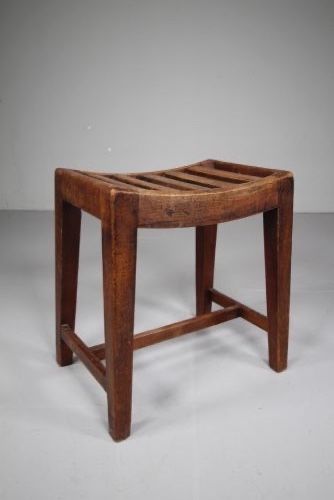
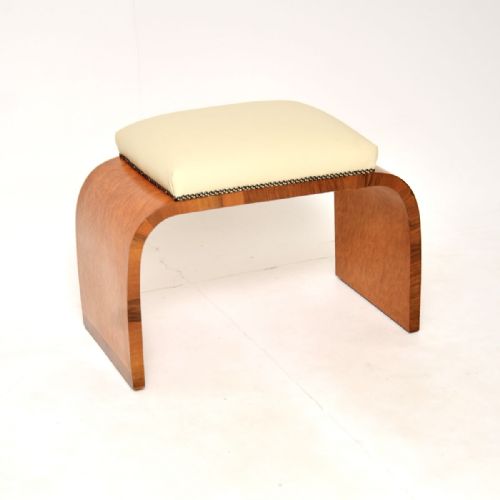


Curved Wooden Stool
A curved wooden stool brings warmth and sculptural form to a room, offering distinct regional and period character in a compact seat.
Curved Wooden Stool
A curved wooden stool encompasses seating forms spanning from eighteenth-century Georgian mahogany examples to nineteen-thirties Art Deco designs. Buyers searching for a curved wooden stool encounter diverse cultural origins, including English vernacular furniture and African tribal pieces such as Ashanti stools.
The most prevalent examples on this page date from the Edwardian era through the nineteen-thirties, utilising hardwoods like oak and mahogany alongside figured veneers. Alongside traditional stools, the selection includes related forms such as music chairs, window seats, and high bar seating.
How they were made
Construction relies heavily on traditional woodworking methods using solid hardwoods like oak, mahogany, and general hardwood, shaped through turning, curving, and joining. Surfaces frequently incorporate secondary materials such as leather upholstery, fabric, and brass details.
Makers utilised specialised techniques to achieve curved profiles, seen in the figured grain of birds eye maple veneers and the carved concave contours of saddle seats. Finishing processes highlight the natural timber, ranging from dark polish on Georgian frames to light figured grain on Art Deco items.
Listings feature woods spanning oak, mahogany, and birds eye maple, alongside periods from the eighteenth century to nineteen-thirty.
What varies in quality
Quality rests upon the selection of timber, distinguishing simple utilitarian construction from finely figured birds eye maple or richly grained eighteenth-century mahogany. The sophistication of the carving and the integrity of the joinery define the standard of execution across different periods.
The preservation of original materials - such as period leather tops, brass fittings, and early fabric upholstery - shapes the integrity of each piece. Maker attribution, whether through documented workshops like Thonet or distinctive regional carving traditions, elevates the standing of individual examples.
Harry & Lou Epstein·Thonet
The Curved Wooden Stool Glossary
- Saddle seat
- A wooden seat base carved with a concave dip modelled after an equestrian saddle for ergonomic comfort. This form appears frequently on Arts and Crafts oak examples.
- X frame
- A structural base formed by two intersecting diagonal members creating an X shape when viewed from the side. This classical configuration provides robust support for walnut and mahogany stools.
- Birds eye maple
- A figure in maple wood where the grain resembles tiny swirling eyes, highly prized in cabinetmaking. It is utilised on nineteen-thirties Art Deco pieces.
- Thebes stool
- An ancient Egyptian inspired stool design featuring splayed legs and a concave seat, revived during the Arts and Crafts and Liberty movements. Examples in oak reflect this aesthetic.
- Aesthetic Movement
- A late nineteenth-century design ethos emphasising visual beauty over narrative or moral function. Pieces from this movement include window seats and music chairs.
Curved Wooden Stool: Frequently Asked Questions
How do I date a wooden stool?
Dating relies on examining the timber species, construction joints, and stylistic markers consistent with periods like the Georgian era or the nineteen-thirties. Secondary materials such as brass fixings and upholstery tacking methods also provide chronological clues.
Comparing the turned leg profiles and carving depths against documented examples helps narrow the decade of manufacture. Regional vernacular pieces often retain traditional hand-working traits distinct from later factory production.
Where were tribal stools placed?
African tribal stools, such as Ashanti pieces, served as important personal objects denoting status and authority within communities. They functioned primarily as elevated seats for leaders during ceremonies and daily life.
Carved from single blocks of wood, these stools were kept carefully when not in use and often reserved exclusively for their owner. Their curved surfaces reflect traditional woodworking skills passed down through generations.
How do I care for leather seats?
Leather-topped seats require gentle cleaning with a dry or slightly damp cloth to remove dust without damaging the surface. Avoid using harsh chemical detergents that can dry out old hide.
Applying a specialist leather conditioner periodically helps maintain flexibility and prevents cracking in vintage upholstery. Keeping the timber away from direct heat sources also protects the surrounding wooden frame.
What is an X frame stool?
An X frame stool utilises intersecting diagonal wooden supports beneath the seat to distribute weight effectively. This ancient architectural form provides both structural stability and a decorative profile.
Versions range from formal walnut Queen Anne models to Regency variations with elaborate joinery. The crossing members often feature central stretchers or turnings for added reinforcement.
Can I use these stools daily?
Most wooden stools are robustly constructed from hardwoods like oak and mahogany and suit regular daily use. Solid joinery and stable bases allow them to function effectively as extra seating or dressing perches.
Delicate examples featuring fine veneers or antique upholstery benefit from more considered placement to preserve their original finish. Checking the stability of the legs periodically ensures safe everyday enjoyment.