





Hand Carved Vase
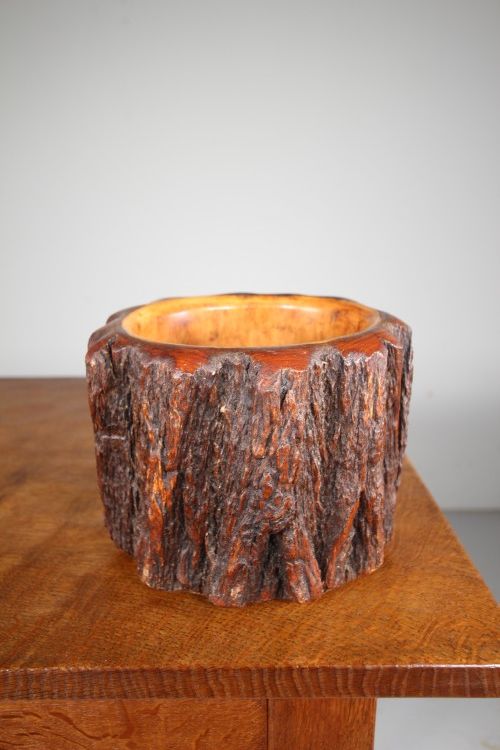
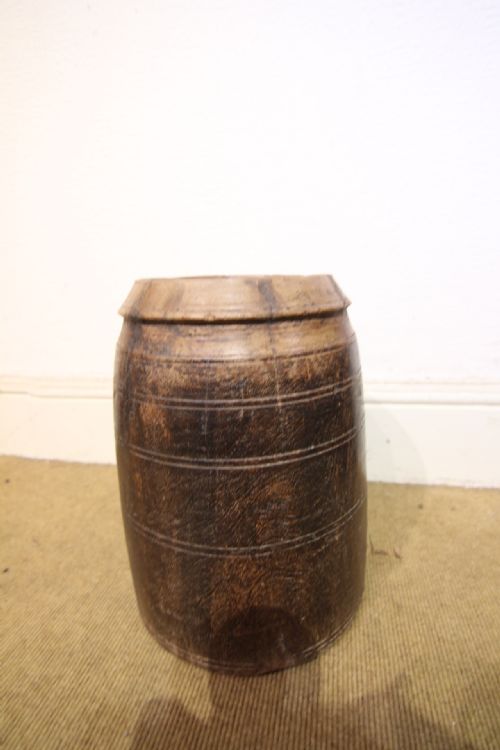
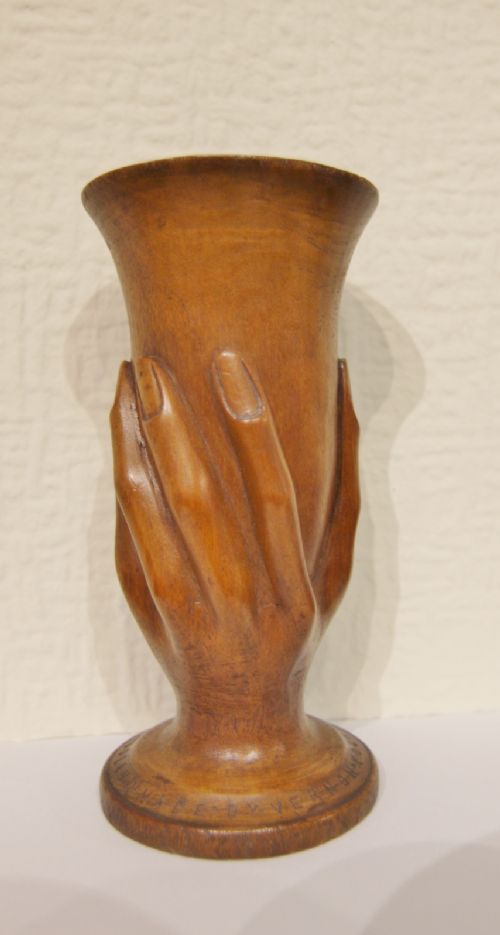
These hand carved vase examples span diverse global traditions, offering tactile relief work and organic forms to anchor a room.
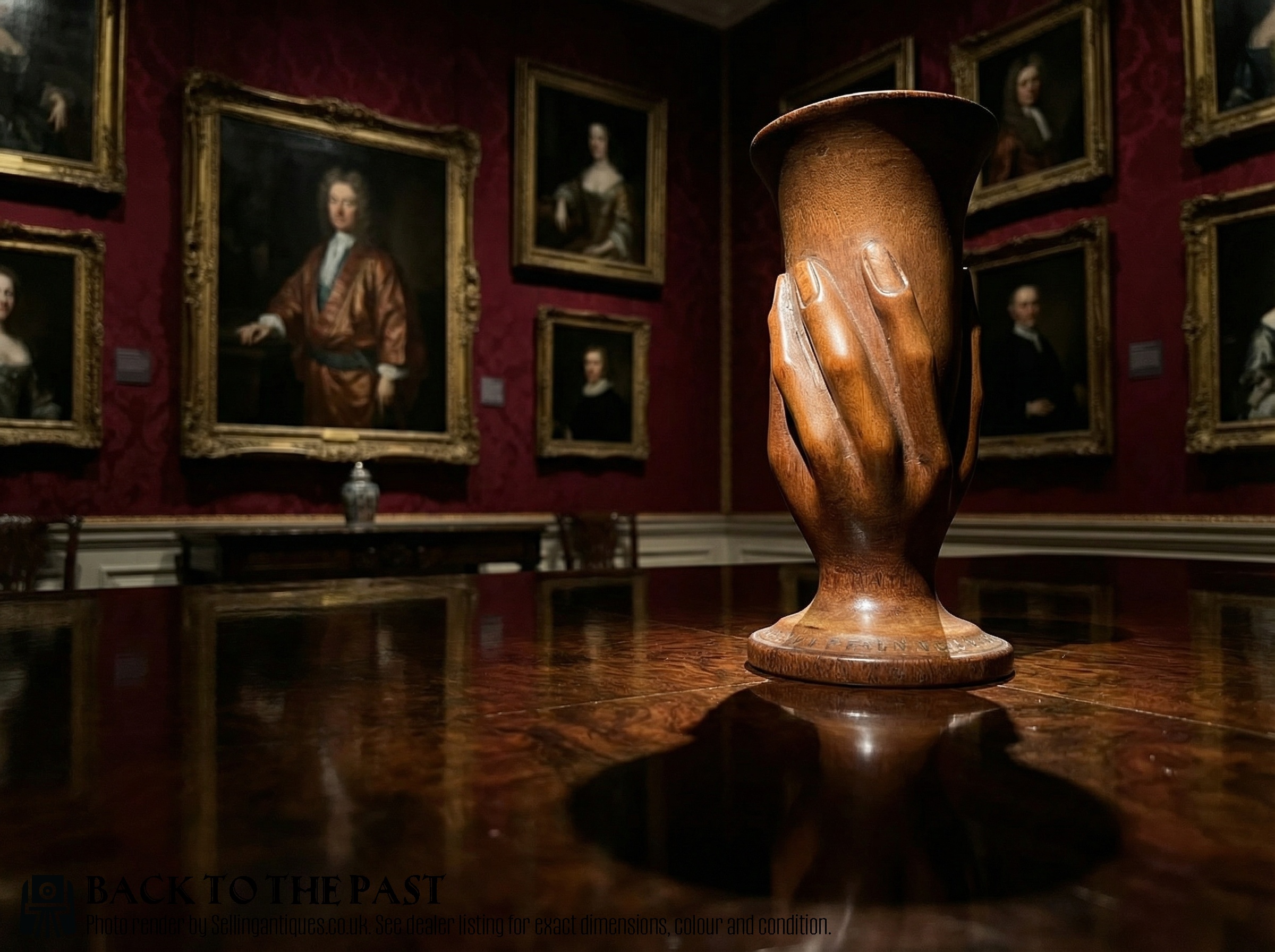
Hand Carved Vase
A hand carved vase brings tactile depth to an interior, drawing the eye through chiselled relief or incised patterns. When you explore this selection of a hand carved vase, you encounter varied regional traditions spanning several distinct eras.
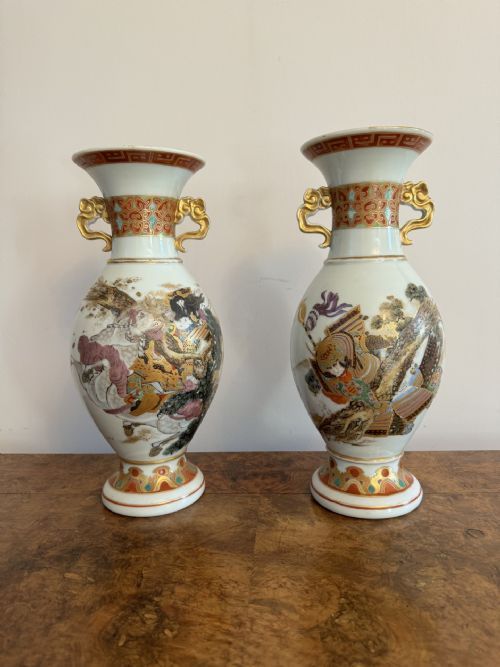
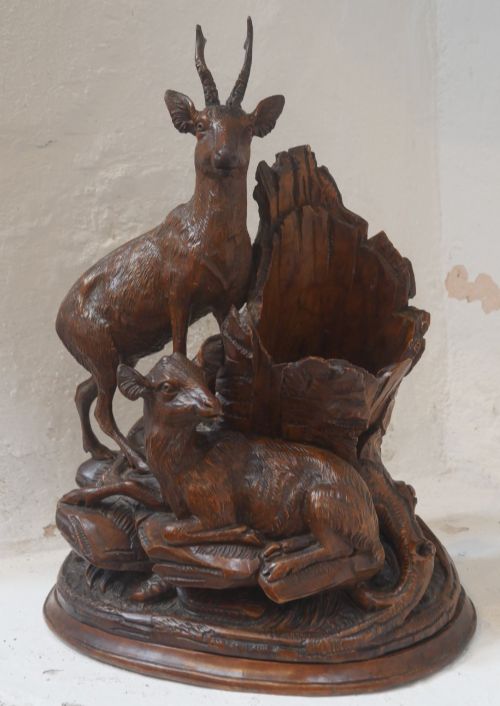
The objects on this page range from nineteenth-century Chinese porcelain and wooden treen to Indian bronze and European rustic woodware. Most examples cluster in the nineteenth century, alongside later Edwardian and early twentieth-century pieces.
Formats vary widely between tall vessels, brush pots, and turned wooden chalices, often accompanied by original stands. This variety reflects diverse global craftsmanship rather than a single unified aesthetic.
How they were made
Materials span porcelain, hardwood, lindenwood, walnut, and soapstone, each demanding distinct shaping methods. Woodworkers utilised chisels and turning lathes to carve organic motifs directly into the grain.
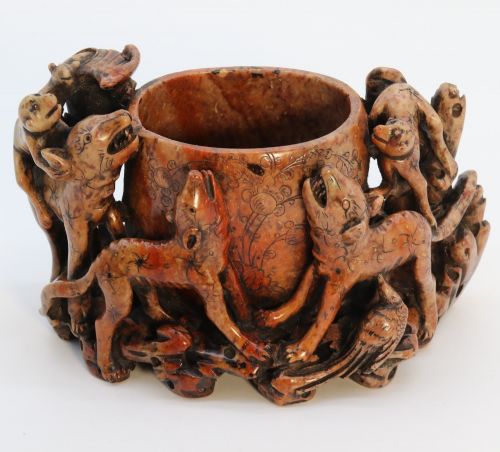
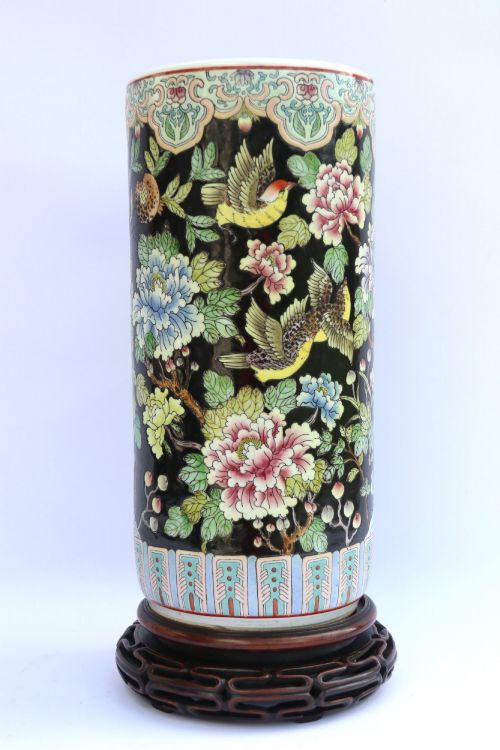
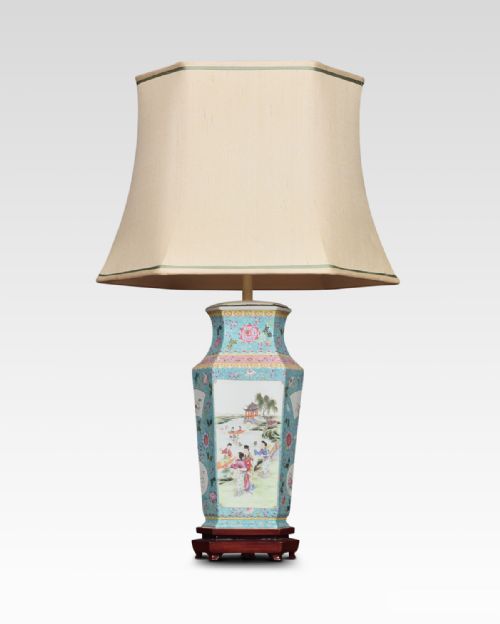
Ceramic pieces combine thrown porcelain with overglaze enamels such as famille verte and famille noire, or rely on deep soapstone carving. Metal vessels involve bronze casting followed by intensive hand chasing and chiselling to define the surface detail.
Origin styles span Qing Dynasty Chinese works, Black Forest woodcarvings, and Raj period Indian metalwork.
What varies in quality
Quality rests in the crispness of the chisel work and the depth of the carved relief. A superior wooden or stone vessel displays confident, deliberate incisions rather than shallow or hesitant scraping.
The balance of the form and the preservation of the original surface patination dictate the standing of a piece. Finer ceramic examples show precise enamel work and well-fitted original wooden stands that complement the main vessel.
The Hand Carved Vase Glossary
- Brush pot
- A cylindrical vessel traditionally used in East Asia for holding writing brushes. These items often feature deep relief carvings in bamboo, wood, or soapstone.
- Famille verte
- A Chinese porcelain palette dominated by green enamel overglazes. Introduced in the Qing period, it creates vibrant polychrome surface patterns.
- Chasing
- A metalworking technique where a hammer and punches push the metal from the front to sink and define the design. This method adds fine texture to bronze vessels.
Hand Carved Vase: Frequently Asked Questions
How do I date an antique wooden vessel?
Dating relies on tool marks, timber choice, and the overall style of the turning or carving. Nineteenth-century pieces often exhibit distinct hand-tool signatures and mature timber patination.
Comparing the form against documented regional traditions helps narrow the decade of origin.
Are these vessels suitable for holding water?
Many historic ceramic and metal vessels remain watertight, but wooden or soapstone examples are generally unsuited for standing liquids. Porous materials or joined timber can swell or crack if exposed to moisture over time.
Use internal glass liners or restrict organic pieces to dry arrangements.
How should I clean a carved wooden surface?
Dust gently with a soft, dry brush to prevent dirt settling deep within the carved recesses. Avoid commercial polishes and liquid cleaners that can strip historic wax and dry out the timber.
Microfibre cloths and occasional application of appropriate conservation wax preserve the original finish.
Why do some items include wooden stands?
Original stands were custom-carved to match the exact profile of specific Asian ceramic vases. They elevate the piece and protect both the furniture and the base of the vessel.
Keeping the vase with its designated stand preserves its historical context and display integrity.