







Hand Carved Stone Figure
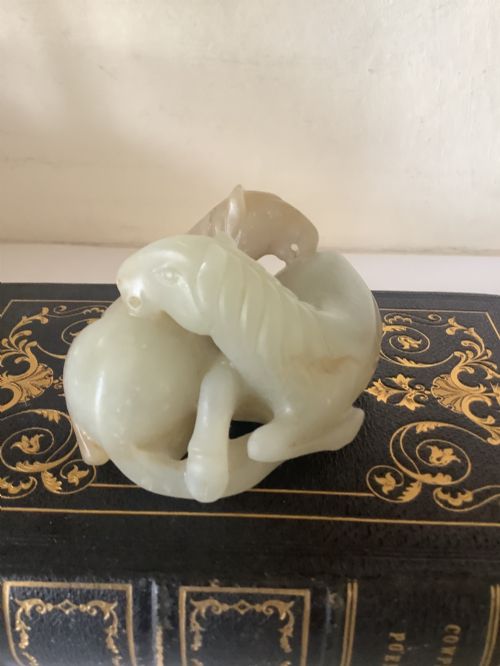
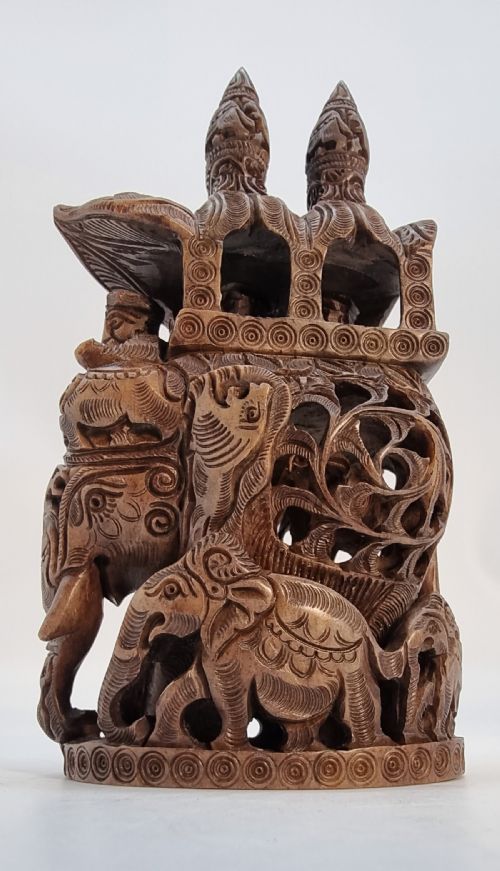
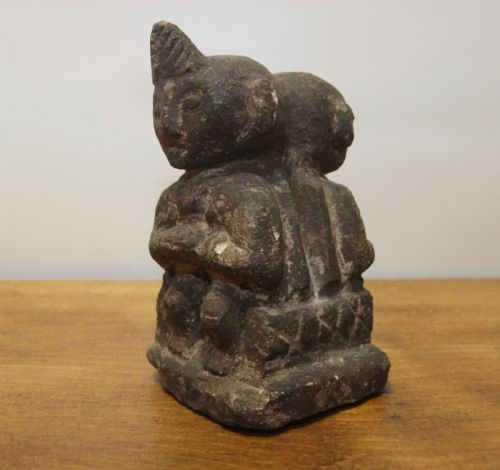
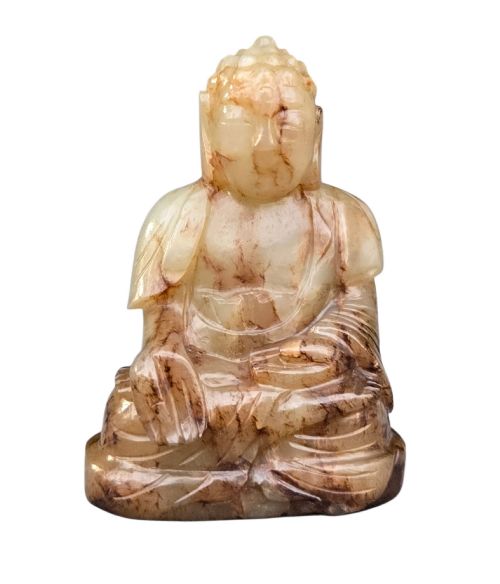
These hand carved stone figure examples bring tangible history into a room, shaped from jade, soapstone, marble and hardstone by makers across centuries.
Hand Carved Stone Figure
A hand carved stone figure brings together centuries of global sculpture traditions, ranging from large temple statues to modest desk seals and bookends. Buyers searching for a hand carved stone figure encounter diverse cultural origins, including Chinese Qing and Ming styles alongside Anglo-Indian and Burmese Mandalay period works.
The materials span soft soapstone and steatite to dense jade, nephrite, alabaster and marble. Forms include deities, sages, animals such as dogs of Fo and elephants, and human figures engaged in daily scenes.
Pieces surface from the pre-sixteenth century up through the Victorian era and the early twentieth century. This broad chronological span means buyers find both ancient temple fragments and domestic decorative sculptures.
Materials and methods
Artisans carved these sculptures from varied geological mediums using manual cutting and abrasion techniques appropriate to the hardness of the material. Softer stones like soapstone and Derbyshire alabaster permitted deep, intricate undercut details on robes and facial expressions.
Denser minerals such as jade, nephrite and hardstone required patient grinding and polishing to achieve smooth surfaces that catch the light. Wood occasionally appears as a base or companion element, though stone remains the primary structural medium.
Hand Carved Stone Figure Retail Price Guide 2026
Typical asking prices for hand carved stone figure among the pieces listed under this phrase on Sellingantiques today, from the lower quarter to the upper quarter. They describe what is for sale here now, not the wider market.
Materials in these listings include soapstone, jade, nephrite, hardstone, steatite, marble, wood and Derbyshire alabaster.
Assessing quality in carved stone
Quality rests in the precision of the carving and the natural character of the mineral. Superior examples display confident handling of anatomy and drapery, where the artisan works in harmony with the natural grain and colour variations of the stone.
Subtle surface finishing and crispness of detail separate standard decorative objects from masterworks. The weight and tactile quality of the mineral itself also influence the overall presence of the sculpture.
Bright And Sons
The Hand Carved Stone Figure Glossary
- Soapstone
- A talc-schist metamorphic rock that is relatively soft and easily carved into detailed figurines and desk seals.
- Jade
- A dense, tough gemstone comprising nephrite or jadeite, traditionally carved into smooth figures and ritual objects.
- Alabaster
- A fine-grained stone used for statues and decorative carvings, known for its translucent quality.
- Hardstone
- A general term for semi-precious stones harder than ordinary building stone, utilised for intricate carvings.
- Mandalay Period
- A stylistic era associated with Burmese art, often seen in white marble Buddha statues.
Hand Carved Stone Figure: Frequently Asked Questions
How do I clean a stone figure?
Dust the surface gently with a soft, dry brush to prevent the accumulation of dirt in carved crevices.
Avoid using water, chemical cleaners or oils, particularly on softer minerals like soapstone and alabaster, which absorb moisture.
Where should I display my sculpture?
Place the piece on a stable surface away from direct sunlight and sudden temperature shifts. Heavy stone figures require sturdy shelving or dedicated tabletops.
Ensure the location protects the sculpture from accidental knocks, especially for pieces with delicate protruding elements.
Are all soapstone carvings Chinese?
Soapstone carvings originate from multiple regions and traditions, including Indian studies of ceremonial animals and Chinese desk seals.
Examining the subject matter and stylistic conventions helps determine the geographic origin of each specific sculpture.
What is a Foo Dog?
A Foo Dog, or Chinese guardian lion, is a traditional architectural guardian symbol often rendered in stone or ceramic.
These figures typically appear in pairs guarding entrances or serving as decorative bookends.