

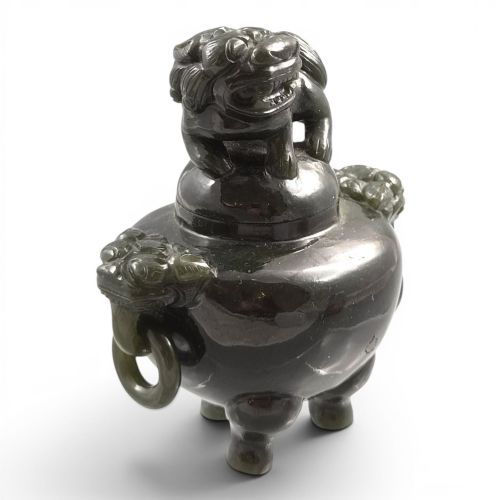


Traditional Chinese Foo Dogs
Traditional chinese foo dogs are spirited guardian figures rendered in soapstone, porcelain, hardstone, and wood, prized for bringing protective energy and historic artistry into a room.
Traditional Chinese Foo Dogs
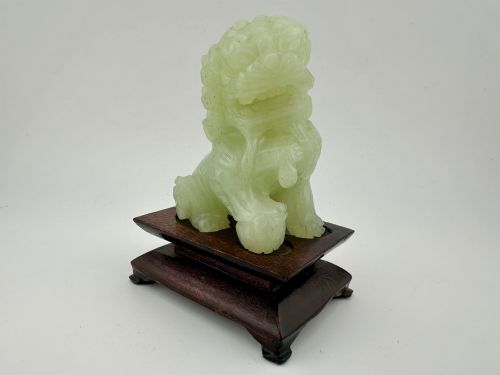
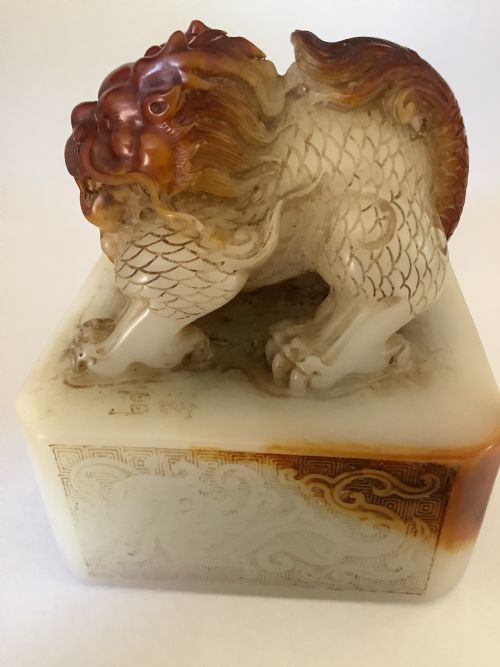
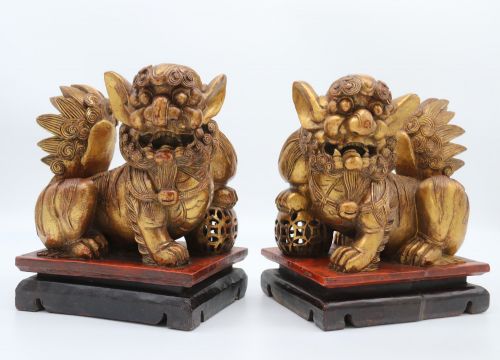
Traditional chinese foo dogs encompass carved sculptures, desk seals, incense burners, and decorative vessels originating from various periods including the nineteenth century and the Edwardian era. These guardian figures appear in diverse forms, from pair sets of temple guard dogs to smaller scholar objects like jade desk seals and soapstone Shi Shi seals.
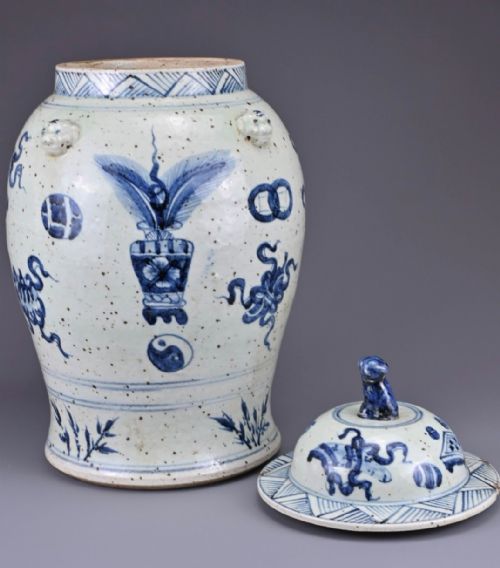
Buyers encounter objects fashioned from soapstone, porcelain with cobalt pigment, hardstone, and root wood, reflecting traditional Chinese and Qing Dynasty styles. The pieces range from large blue and white jars and vases to intricately carved gilt wood and lacquer Buddhist lions.
The selection includes textiles as well, featuring items such as antique Ningxia rugs alongside sculptural works. Each piece demonstrates the enduring visual vocabulary of guardian lions, whether executed in pale green glazed porcelain or dark green jade.
How they were made
Carvers shaped traditional chinese foo dogs from dense materials like soapstone, root wood, and hardstone, employing meticulous hand-chiselling to define the muscular forms and curling manes of the guardian animals. Wood pieces frequently receive gilt and lacquer finishes to enhance their decorative impact.
Ceramic examples utilise porcelain bodies painted with cobalt pigment beneath a clear glaze, or feature single-colour glazes such as pale green. These glazed and painted pieces require precise kiln firing to achieve the durable finishes seen on jars, vases, and temple sculptures.
Traditional Chinese Foo Dogs Retail Price Guide 2026
Typical asking prices for traditional chinese foo dogs among the pieces listed under this phrase on Sellingantiques today, from the lower quarter to the upper quarter. They describe what is for sale here now, not the wider market.
Materials across these listings include soapstone, porcelain, hardstone, jade, wood, and gilt.
What varies in quality
Material selection plays a primary role, as uniform hardstones and unblemished porcelain demonstrate superior raw material sourcing compared to pieces with natural inclusions or firing flaws. The depth and precision of the cobalt pigment on blue and white vessels further mark the gradation of craftsmanship.
The Traditional Chinese Foo Dogs Glossary
- Foo dog
- A traditional Chinese guardian lion figure, also known as a temple guard dog or Shi Shi, placed to ward off negative spirits. These figures frequently appear in pairs guarding entrances or supporting seals.
- Shi Shi
- An alternative term for the stone lion guardian figures derived from Chinese tradition. They represent auspicious protector animals often depicted with a ball or cub.
- Desk seal
- A carved object featuring a figural handle above a blank or inscribed base for stamping. In these listings, they are carved from soapstone or jade depicting dogs of fo.
- Cobalt pigment
- A blue metallic colouring agent applied under the glaze of porcelain before firing. It creates the characteristic deep blue decoration on traditional Chinese jars and vases.
- Root wood
- Timber formed from the root mass of a tree, selected by carvers for its twisted, natural contours. Artisans incorporate these organic shapes into the body of sculptural animal figures.
Traditional Chinese Foo Dogs: Frequently Asked Questions
What are traditional chinese foo dogs?
Traditional chinese foo dogs are guardian lion sculptures and decorative objects originating from various historical periods in China. They symbolise protection and are rendered in materials such as soapstone, porcelain, jade, and wood.
These figures take many forms, including temple guards, bookends, incense censers, and desk seals. Their presence reflects long-standing cultural traditions concerning domestic and spiritual protection.
How were foo dogs used?
Historically, foo dogs served as protective guardian figures placed outside temples, palaces, and homes to ward off malevolent influences. Smaller versions functioned as scholarly desk items, such as jade and soapstone seals.
Decorative jars and vases featuring these motifs also served both utilitarian storage purposes and display functions within domestic interiors. Their dual role combined symbolic protection with high-status decoration.
How do I place them in a room?
Pairs of foo dogs look striking when positioned symmetrically on mantelpieces, sideboards, or flanking a doorway to mirror their traditional guardian placement. Smaller desk seals and censers anchor tabletops or open shelving.
Mixing carved wood, soapstone, and porcelain objects adds textural variety to a display. Pairing sculptural pieces with complementary textiles like an antique rug ties a room together.
How do I identify the period?
Dating relies on material characteristics, stylistic markers such as Qing Dynasty conventions, and documented dates within listings. Porcelain pieces often show period-specific glaze characteristics and cobalt pigment tones.
Carving styles in wood, soapstone, and jade also shift across centuries, distinguishing nineteenth-century work from later twentieth-century interpretations. Examining the base and wear patterns provides further clues to age.