
Hand Carved Folk Sculpture
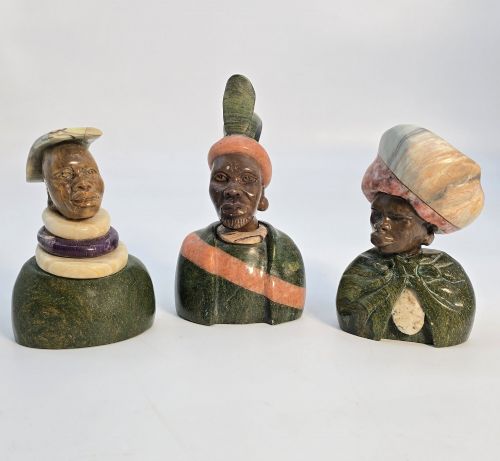
When you search for hand carved folk sculpture, you meet vernacular figures and animals shaped by regional makers from blocks of wood or stone.
Hand Carved Folk Sculpture
Hand carved folk sculpture comprises vernacular figures, animals and trade objects shaped by regional makers outside the formal academic tradition. When you browse this phrase, you encounter objects created for practical use, domestic display or local trade rather than courtly exhibition.
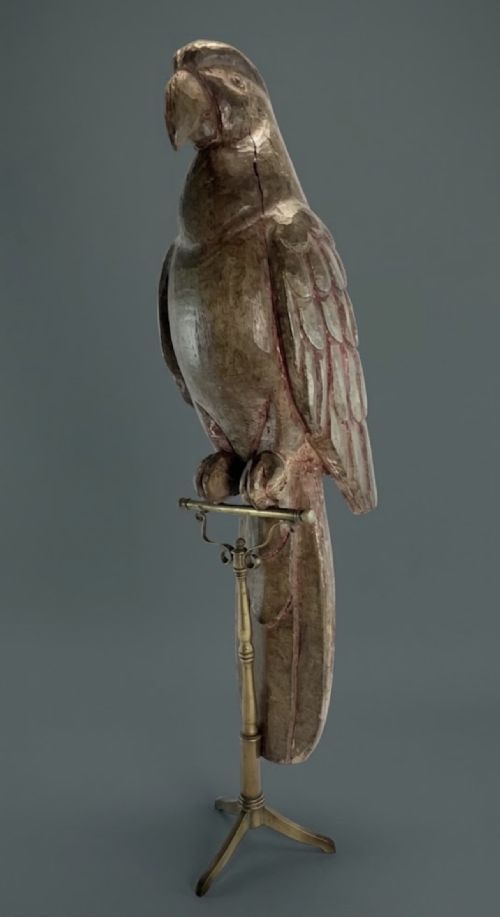
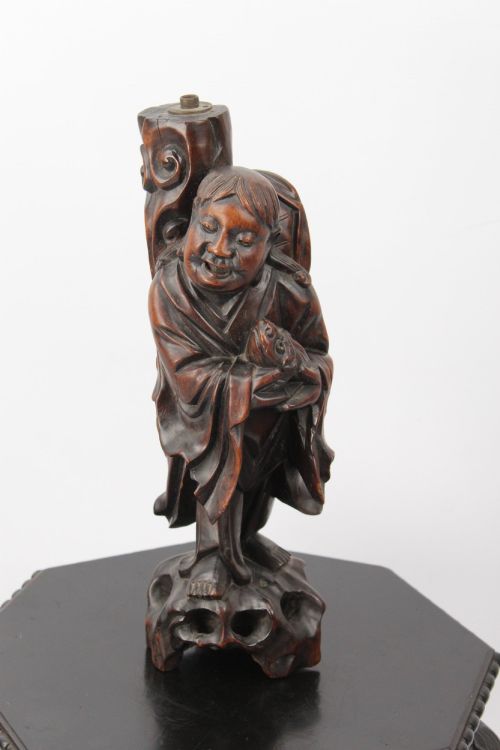
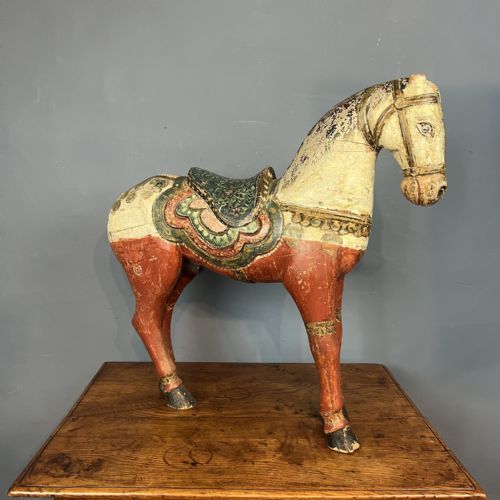
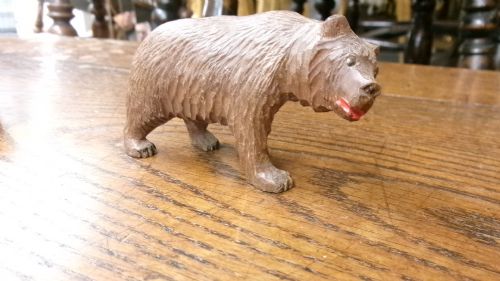
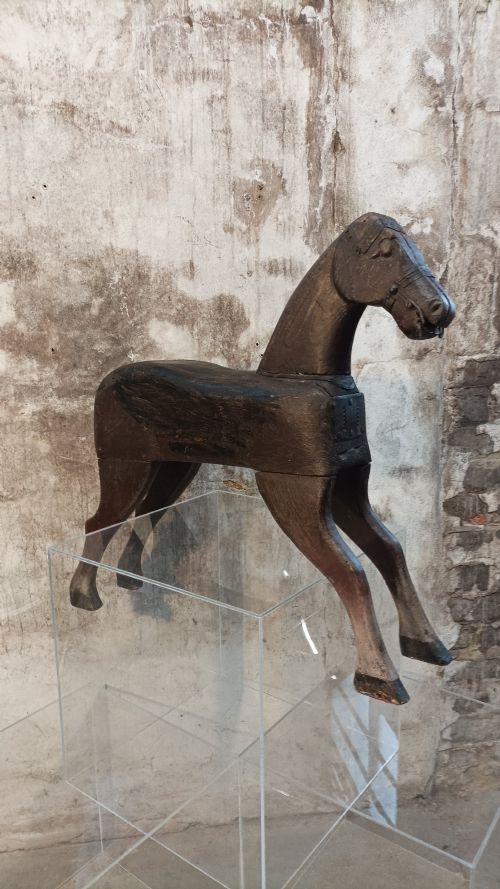
The selections span figures of saints, mythical deities, trade signs and decorative animals such as bears, horses and waterfowl. Most pieces date from the eighteenth century through to the mid-twentieth century, reflecting local traditions across European, Asian and American regions.
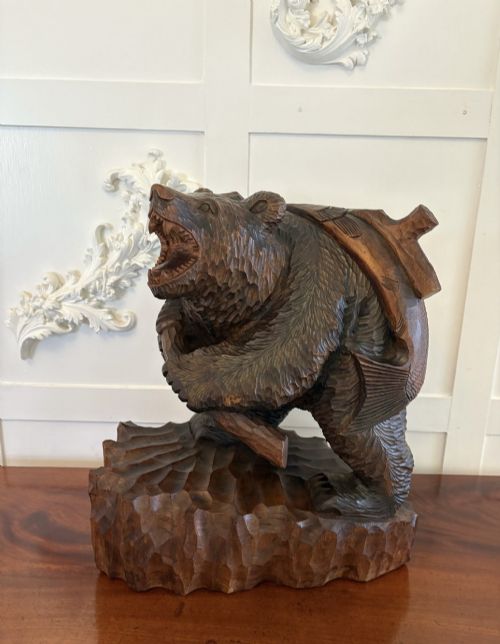
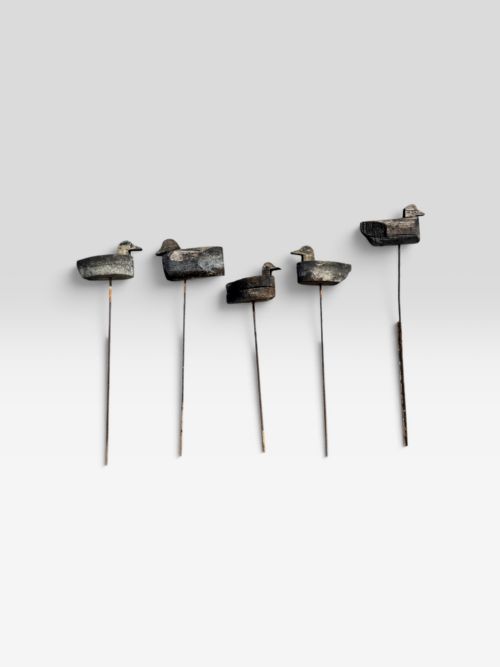
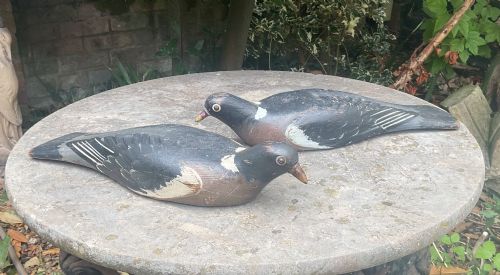
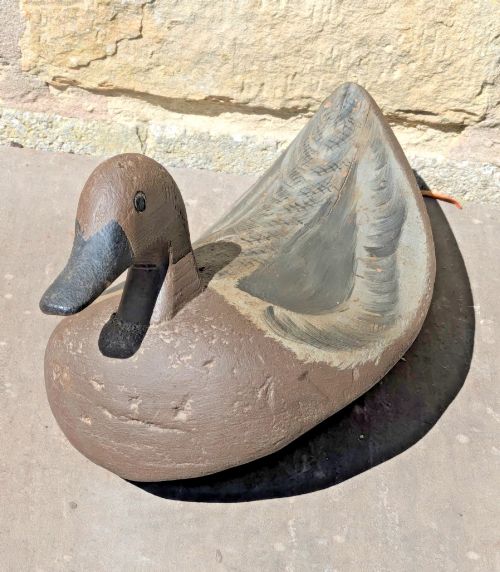
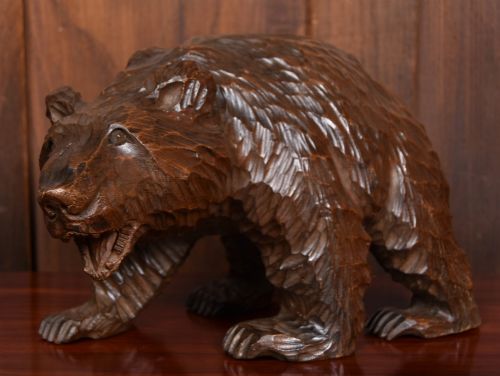
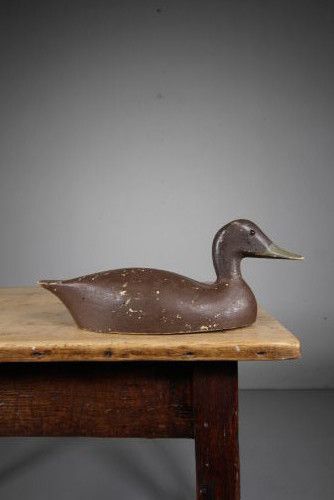
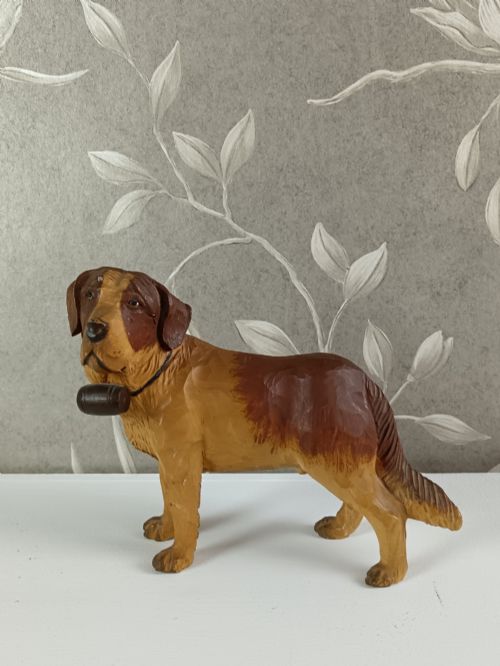
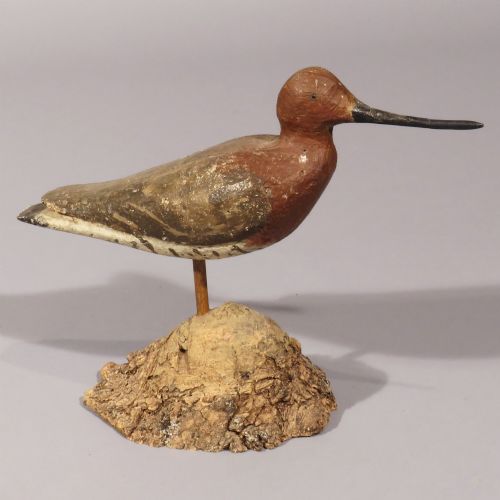
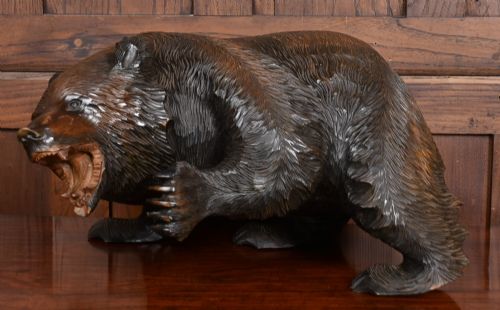
Wooden decoys, animal carvings from Japanese and Black Forest origins, and painted figures dominate the available forms. These domestic items carry the distinct marks of the knife or chisel used by the original hand.
Materials and construction methods
Makers utilised available timbers such as hardwood, oak, walnut, linden wood and pine, often selecting local woods suited to rapid shaping with hand tools. Iron and metal frequently appear as structural pins, stud eyes or applied hardware on figures and decoys.
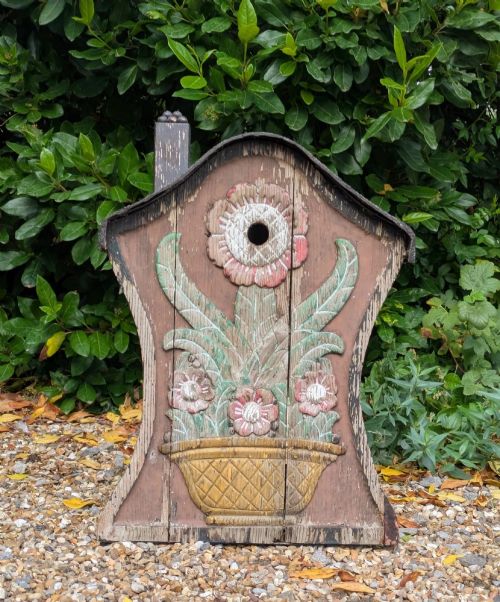
Surface treatments involve polychrome paint, oil or simple varnishes applied directly to the carved wood or stone substrate. Many decoys and figures retain layers of early or original paint that record decades of use and weathering.
Carving techniques range from naive hatchet work and gouging to refined Japanese nata-tsukuri chisel marks and detailed Black Forest incisions. Every object relies entirely on manual reduction of the raw block without mechanical duplication.
Listings feature wood, paint, iron, hardwood, glass, linden wood and metal across periods from the eighteenth century to the mid-twentieth century.
Assessing quality in folk carvings
Quality rests in the vigour of the silhouette and the confidence of the tool marks rather than academic adherence to proportion. A successful carving captures the essential character of an animal or human subject through economy of line and direct shaping.
Surface preservation distinguishes the best examples, particularly where original painted polychrome or historic patination remains undisturbed by modern intervention. The relationship between the material, the tool work and the enduring surface creates the primary distinction across the range.
H.S Andy Anderson
The Hand Carved Folk Sculpture Glossary
- Decoy
- A carved and painted bird or animal replica used historically by hunters to attract waterfowl or pigeons.
- Polychrome
- Decoration executed in multiple colours of paint applied to the carved wooden surface.
- Kibori Kuma
- A traditional Japanese style of hand-carved wooden bear originating from Hokkaido.
- Whimsey
- An intricate carved object, such as a bottle puzzle or cage, made by sailors or prisoners of war.
- Nata-tsukuri
- A Japanese woodworking technique utilising a cleaver-like hatchet to leave deliberate, textured facets on the finished sculpture.
Hand Carved Folk Sculpture: Frequently Asked Questions
What is hand carved folk sculpture?
Hand carved folk sculpture encompasses utilitarian and decorative figures, animals and trade objects made by regional artisans outside formal art academies. These pieces include working decoys, religious icons, trade signs and domestic ornaments shaped from timber, stone and metal.
The tradition spans centuries of vernacular production where makers relied on local materials and traditional motifs rather than academic rules. Each object records the functional needs and cultural habits of the community that produced it.
How were wooden decoys used?
Wooden decoys served as functional tools for hunters to lure waterfowl, geese and pigeons within range of blinds or shorelines. Makers shaped and painted these wooden floats or field stakes to mimic the exact posture and plumage of target species.
After their working life ended, many decoys retained their weathered paint layers and found a place in domestic interiors as decorative sculpture. Their robust construction reflects the demanding aquatic environments they inhabited.
How do I live with these sculptures?
Living with folk sculptures involves placing them on stable surfaces away from direct sunlight and dramatic fluctuations in indoor humidity. Timber and painted surfaces respond well to stable atmospheric conditions that preserve the historic wood and pigment layers.
These pieces integrate easily into modern or traditional interiors, pairing well with simple wooden furniture and neutral walls. Their direct forms and textured surfaces provide a visual anchor in a room without dominating the space.
How do I distinguish regional styles?
Regional styles reveal themselves through specific timber choices, tool marks, subject matter and traditional finishing techniques. Japanese bear carvings, Black Forest walnut figures and European decoy ducks each employ distinct carving methods tied to their geographic origin.
Examining the underlying wood species alongside the application of paint or polish helps clarify the provenance. Comparing the tool marks against known regional practices confirms whether a carving belongs to a Scandinavian, Asian or British tradition.