

Hand Carved Box
When you search for a hand carved box, you are looking at centuries of functional carpentry transformed by individual knife work.
Hand Carved Box
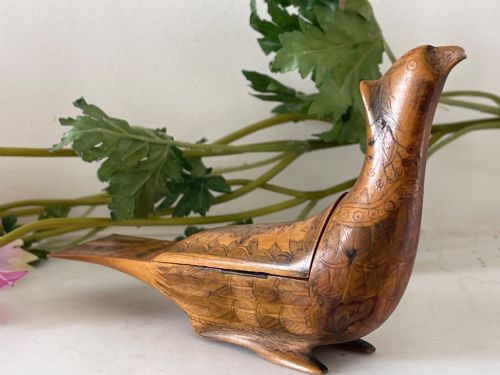
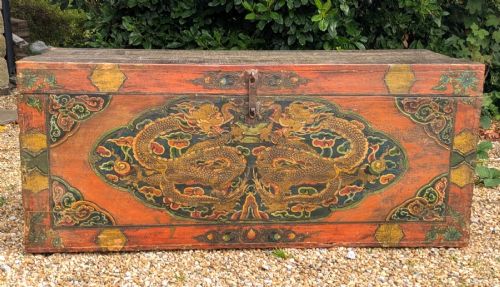
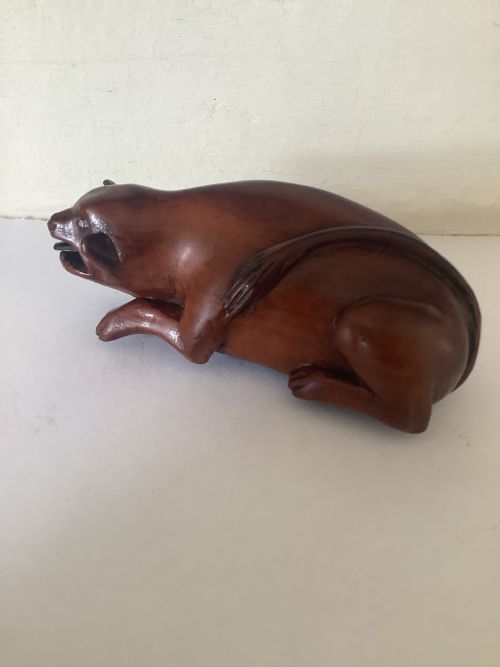
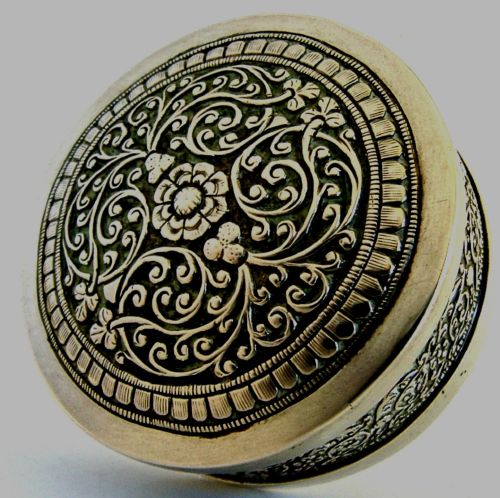
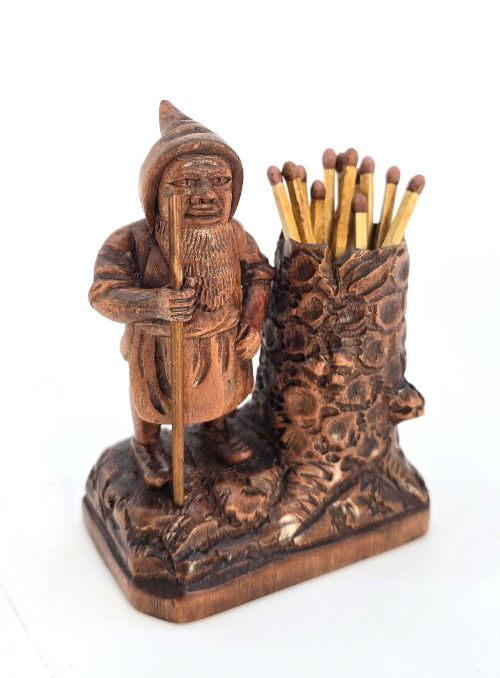
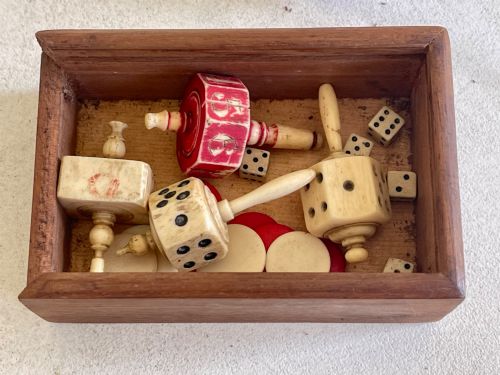
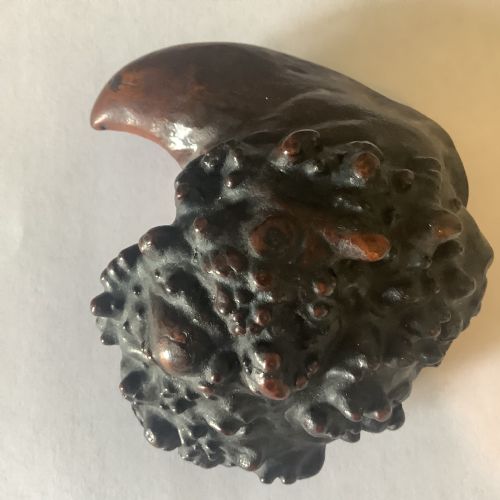
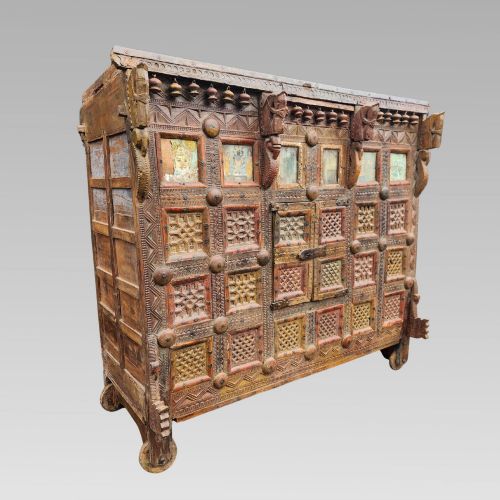
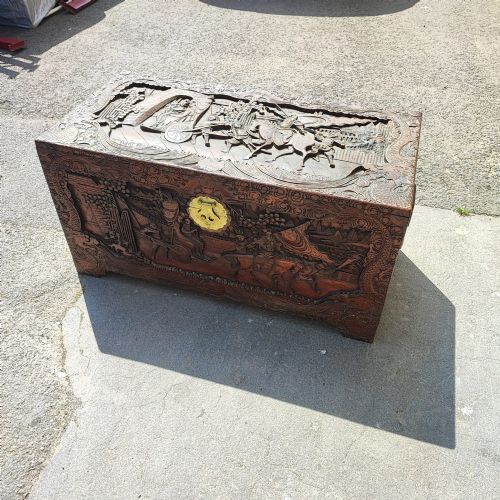
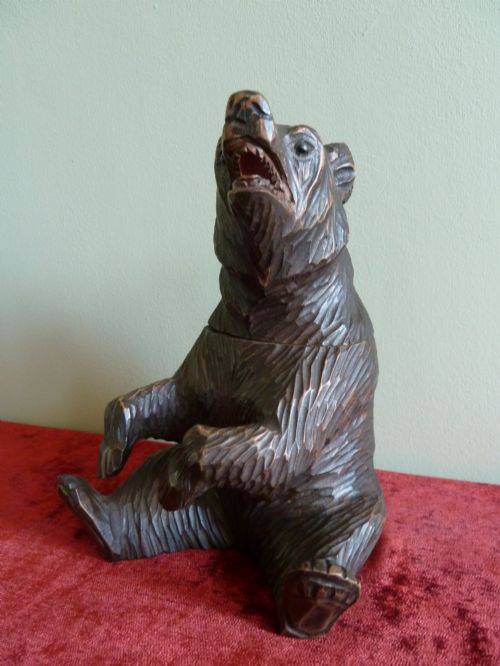
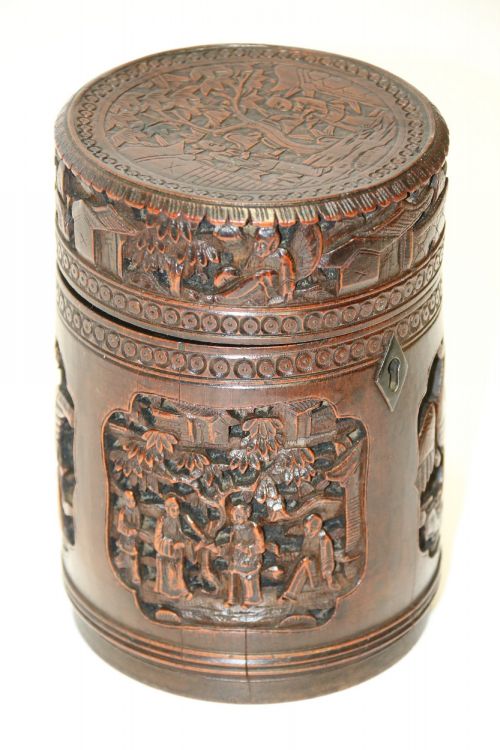
A hand carved box encompasses a vast range of utilitarian vessels shaped by makers across the globe, from small snuff containers to large camphor trunks. You will regularly encounter regional styles such as Black Forest animal carvings, Anglo-Indian sandalwood caskets, and traditional Chinese camphor wood chests.
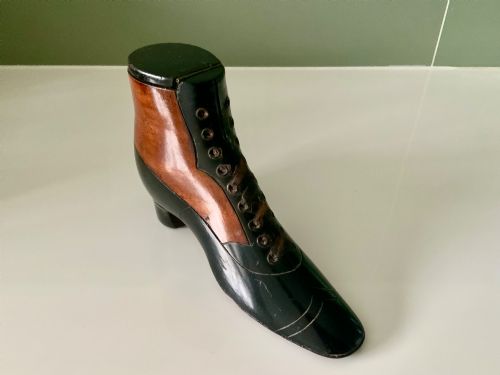
The forms span domestic items for personal use, including tea caddies, jewellery caskets, and match holders, alongside larger storage furniture like dowry chests. These objects served distinct daily purposes in period homes, functioning as secure receptacles for tobacco, documents, or valuables.
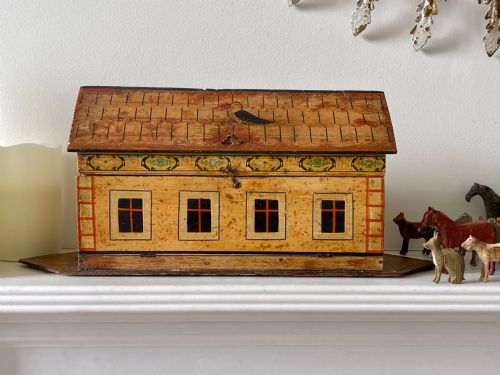
The selection ranges across several centuries, with the nineteenth century heavily represented alongside examples from the eighteenth and early twentieth centuries. Folk art expressions sit alongside formal export pieces, showing how diverse carving traditions met domestic storage needs.
Materials and construction
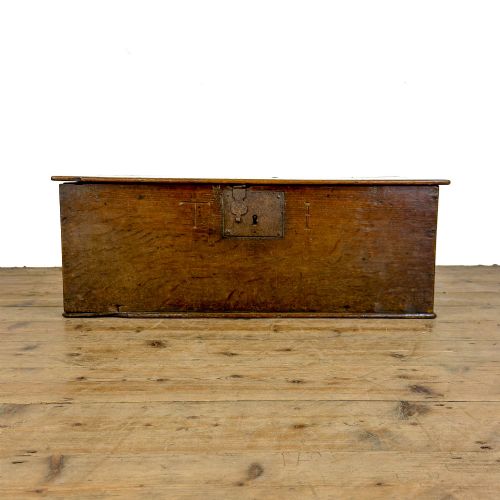
Makers utilised a variety of native and exotic timbers depending on regional availability and the intended function of the piece, including oak, walnut, camphor wood, teak, and fruitwood. Metals such as brass and iron frequently appear as hinges, locks, and decorative mounts.
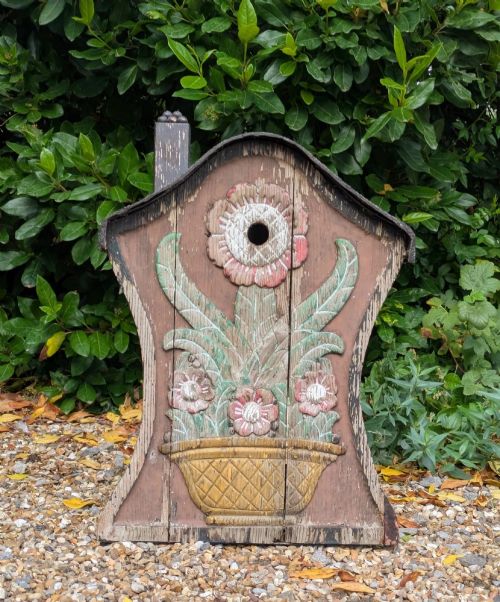
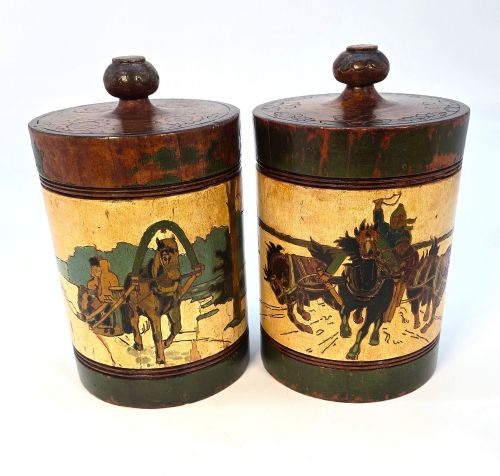
Carving techniques vary from naive chip carving and tramp art layering to deeply undercut figurative scenes found in Black Forest and Anglo-Indian workshops. Surface treatments range from polished natural grains to painted finishes, lacquer, and subtle inlays of bone or metal.
Hand Carved Box Retail Price Guide 2026
Typical asking prices for hand carved box among the pieces listed under this phrase on Sellingantiques today, from the lower quarter to the upper quarter. They describe what is for sale here now, not the wider market.
Listings feature oak, camphor wood, and walnut alongside regional folk art and export styles spanning three centuries.
Judging quality
Quality rests primarily in the crispness and depth of the hand carving, where confident depth and clean undercutting separate skilled studio work from repetitive commercial output. The natural grain and selection of the timber dictate the visual harmony of the finished piece.
Structural integrity matters just as much as surface ornament, evident in the snugness of lids, the stability of joints, and the survival of original hardware like hinges and locks. Pieces that retain their inner fittings or compartments show a higher degree of original design intent.
Jack Grimble
The Hand Carved Box Glossary
- Treen
- Small handmade wooden objects for domestic or personal use. This term covers items like snuff boxes, match holders, and small turned containers.
- Casket
- An ornamental box, typically used for holding jewellery or valuables. These vessels frequently feature intricate surface carving or precious metal mounts.
- Camphor wood
- An aromatic timber native to Asia, traditionally utilised for storage chests. Its strong scent helped deter insects from damaging stored textiles.
- Tramp art
- A form of folk art where pieces were constructed from scrap wood, such as cigar boxes, using chip-carving techniques with pocket knives.
- Snuff box
- A small pocket-sized container designed to hold powdered tobacco. Examples range from simple turned wood to elaborately carved figural designs.
- Tea caddy
- A box or container made to store tea leaves safely. In periods when tea was expensive, these containers often included internal locks.
Hand Carved Box: Frequently Asked Questions
What were these boxes originally used for?
These boxes served specific storage functions in historical households, holding dry goods, personal documents, tobacco, or valuables.
Smaller vessels managed personal items like snuff or sewing equipment, while larger trunks protected garments and household linens.
How do I identify the period of a carved box?
Dating relies on combining the timber species, the style of the carving, and the construction methods used on the interior joints.
Regional motifs and hardware types, such as hand-forged iron versus mass-produced brass hinges, provide further chronological clues.
Are wooden boxes sensitive to room conditions?
Solid timbers and applied carvings react to rapid fluctuations in household humidity and temperature.
Keeping them away from direct heat sources prevents the timber from splitting and stops glued joints from failing over time.
What is the difference between folk art and export pieces?
Folk art boxes generally reflect domestic or local craftsmanship with naive details and regional materials.
Export pieces, such as those from China or India, were made for international markets using specialised regional woods and distinct traditional motifs.