


Hand Carved Bone
Hand carved bone objects combine meticulous miniature craftsmanship and enduring organic material, offering collectors tactile pieces of historical folk art and utilitarian history.
Hand Carved Bone
When you search for hand carved bone, you encounter a diverse collection of miniature artefacts, utilitarian tools, and decorative sculptures spanning several centuries. The selection encompasses nineteenth-century prisoner of war work, tribal items, and colonial decorative arts.
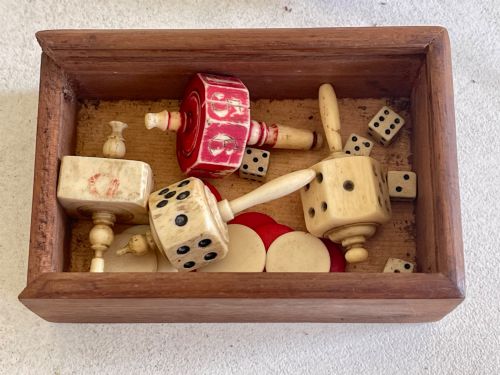
The most prevalent items include game sets, walking stick handles, small figures, and household items fashioned from natural skeletal materials. These objects reflect both practical utility and intricate decorative ambition.
Originating from varied global contexts including Britain, Africa, India, and Tibet, these pieces demonstrate traditional techniques applied to dense organic matter. Their forms range from utilitarian seam rubbers to ceremonial axes and travelling chess sets.
How they were made
Craftsmen utilised hand tools such as small saws, files, and drills to shape dense animal bone, stag horn, and whale tooth into detailed forms. The material required patience and steady precision to carve without splitting.
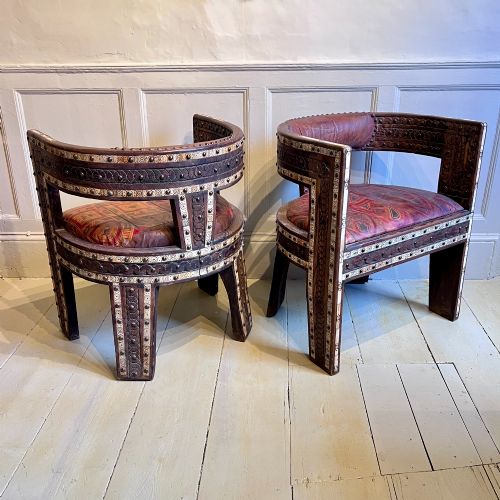
Many items incorporate contrasting elements of hardwood, ebony, brass, or leather to complement the pale bone components. Pigment is occasionally applied to highlight engraved lines and carved details.
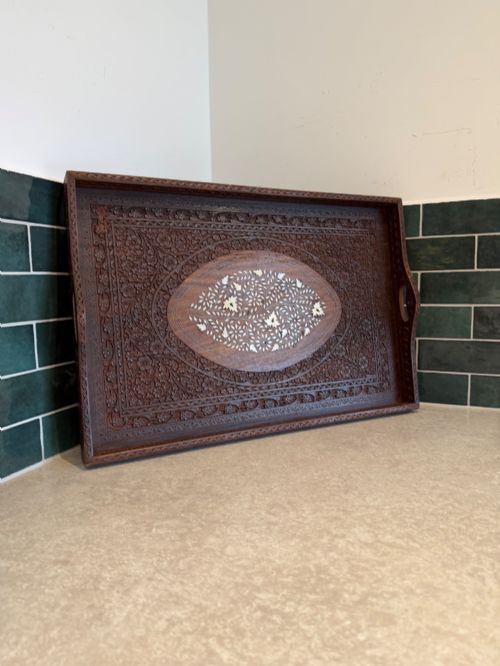
Inlay techniques set thin sections of bone or mother of pearl into wooden surfaces to create geometric or figurative patterns on boxes, trays, and tables.
What varies in quality
The sophistication of the carving distinguishes superior examples from simpler utilitarian pieces, with finer items displaying deep relief, anatomical accuracy, and balanced composition. The natural texture and patina of the material also influence the visual appeal.
Completeness significantly affects the standing of functional items, particularly in games sets, cased items, and paired objects where retaining all original components is essential. Intact prisoner of war sets carry greater historical integrity.
The precision of assembly and the harmony between bone elements and supporting materials such as hardwood or metal mounts indicate the maker's skill and the overall standard of production.
The Hand Carved Bone Glossary
- Seam rubber
- A smooth handheld tool used in tailoring and sailmaking to flatten seams without scorching fabric. Bone and horn versions often feature simple, tactile shaping for a comfortable grip.
- Teetotum
- A multi-sided spinning top used for gambling games, frequently carved from bone with numerical or letter markings on each face. They appear commonly in historical gaming collections.
- Netsuke
- A small Japanese toggle carved from bone, ivory, or wood, used to secure a small pouch or basket to a traditional kimono sash. They often depict animals, mythical figures, or daily scenes.
- Patina
- The deep sheen and mellow tone developed on the surface of organic materials over decades of handling and exposure to air. A desirable patination indicates age and gentle use.
Hand Carved Bone: Frequently Asked Questions
What is prisoner of war bone work?
Prisoner of war bone work refers to intricate items carved by captured soldiers and sailors during eighteenth and nineteenth-century conflicts. Makers utilised readily available rations bones to fashion dominoes, chess sets, boxes, and whimseys.
These pieces demonstrate remarkable ingenuity and patience, often created under harsh confinement using improvised tools. Their survival offers a direct connection to individual makers from historical military campaigns.
How do I care for antique bone?
Antique bone requires stable indoor humidity and protection from direct sunlight to prevent drying, warping, or cracking. Avoid submerging bone items in water or applying modern chemical cleaners.
Gentle dusting with a soft, dry brush is generally sufficient for maintenance. If conditioning is necessary, consult a specialist conservator rather than applying domestic oils.
How can I tell the age of carved bone?
Dating carved bone involves examining the tool marks, style, material density, and surface patina. Nineteenth-century and earlier pieces often display microscopic hand-saw striations rather than modern machine uniformity.
The colour and depth of the patina also provide clues, as genuine age produces a warm, handling-softened tone. Comparing the item's form to documented historical examples helps narrow its period.
Were these items used daily?
Many hand carved bone objects served very practical functions in past centuries, from sewing tools and cutlery handles to walking stick grips and tobacco pipes. Their owners relied on them for everyday tasks.
At the same time, decorative carvings, gaming pieces, and ceremonial plaques were made for leisure, display, or ritual use. This mix of utility and ornament defines the breadth of surviving pieces.