




Georgian Bone Box
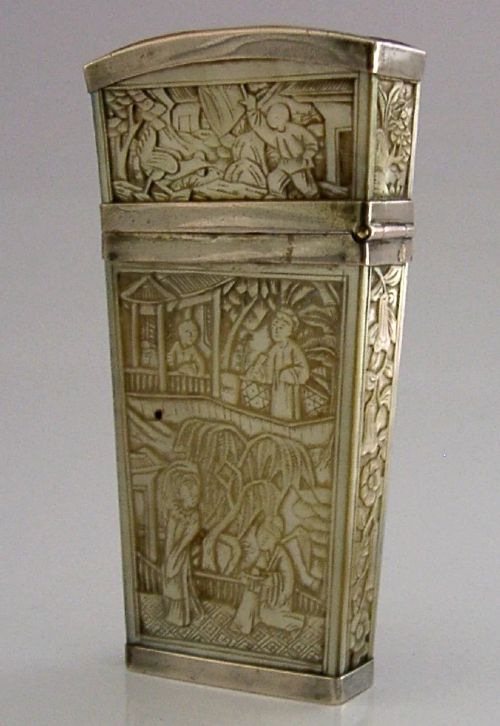
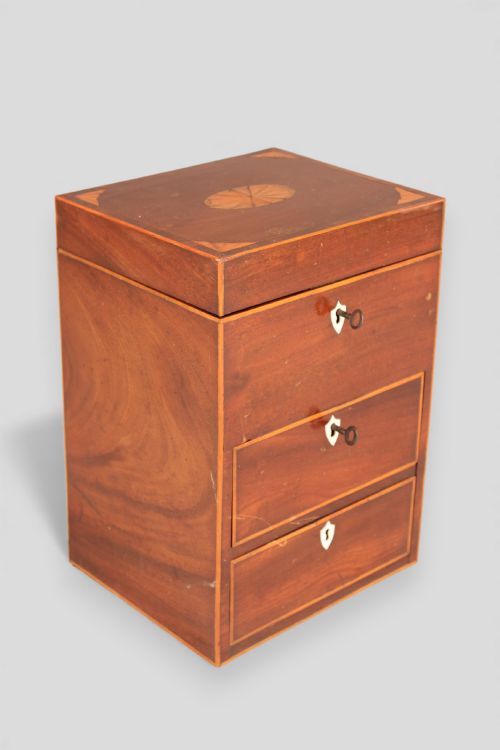
A georgian bone box is a tactile piece of history, combining delicate organic craft with the solid timber of the period.
Georgian Bone Box
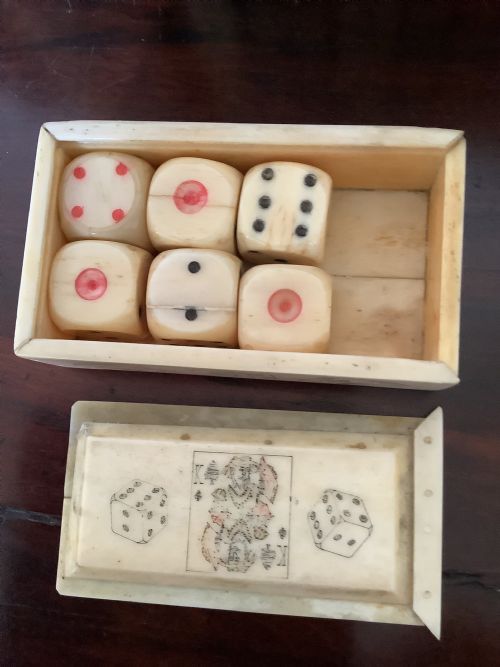
When you search for a georgian bone box, you encounter small containers made during the eighteenth and nineteenth centuries, often associated with prisoner of war work or colonial trade. These domestic items include whist boxes, money boxes, and etuis designed to hold personal treasures or gaming pieces.
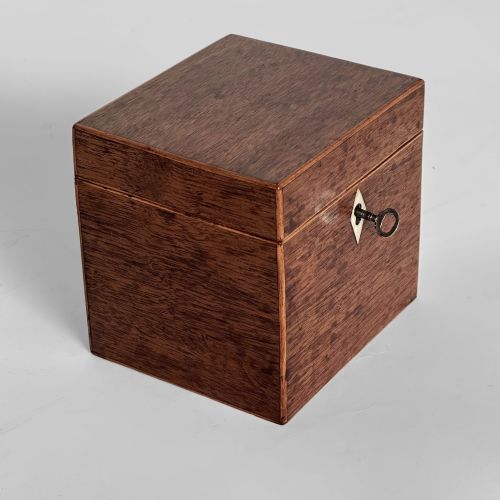
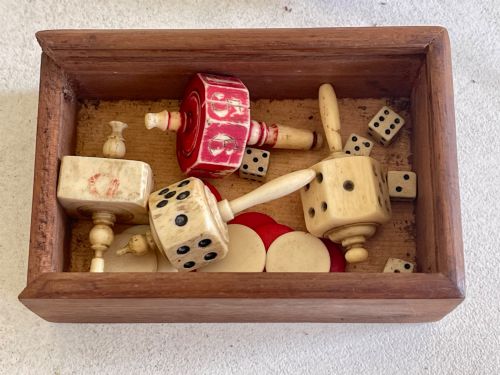
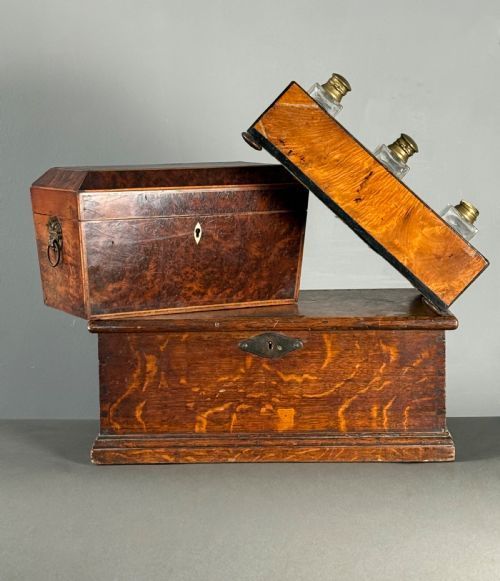
The versions most commonly met on this page span the Georgian and Regency periods, utilising carved bone alongside mahogany, partridge wood, and boxwood. They range from simple utilitarian containers to intricate carved sets housing dominoes or dice.
How they were made
Fitted interiors often relied on turned treen components, small silver mounts, and inked surface decoration to complete the design. The construction combined fine joinery for the boxes with meticulous miniature carving for the components within.
Some prisoner of war boxes contained miniature domino sets carved so small they could easily hide inside a waistcoat pocket.
What varies in quality
The distinction between ordinary and exceptional pieces lies in the crispness of the bone carving and the integration of the materials. Finely executed whist boxes retain all their original counters and feature sharp, unblemished pierced work on the exterior panels.
Wood selection also dictates the grade of the piece, with richly figured partridge wood or dense mahogany elevating the status of the container. Complete sets containing matching bone dice or dominoes command greater interest than solitary boxes.
The Georgian Bone Box Glossary
- Etui
- A small ornamental case used for holding needles, cosmetics, or other small articles. These portable containers reflect the refined personal habits of the period.
- Treen
- Small wooden domestic objects made by turning on a lathe or hand-carving. The term covers utilitarian items as well as decorative gaming pieces.
- Whist box
- A specialised container designed to hold playing cards and scoring counters for the card game whist. They frequently feature fitted interior compartments.
- Vizagapatam
- A coastal Indian city known for luxury export furniture and boxes decorated in ivory and bone. These Anglo-Indian pieces combine local craftsmanship with British tastes.
- Teetotum
- A small spinning top used in gambling and children's games, often carved from bone during the Napoleonic era. They feature marked sides that dictate the player's fortune.
Georgian Bone Box: Frequently Asked Questions
How were bone boxes used?
These boxes served practical purposes in the Georgian home, organising small valuables, sewing implements, or card game accessories. Whist boxes and counter boxes kept gaming sets orderly during social evenings.
Others held dried tea leaves or medical supplies, acting as portable storage for valuable household commodities. Their compact sizes allowed them to sit easily on dressing tables or Pembroke tables.
How do I date a bone box?
Dating relies on examining the timber species, the style of the brass hinges, and the nature of the bone work. Georgian and Regency pieces typically employ solid mahogany, boxwood, or partridge wood carcases.
Prisoner of war pieces often display specific Napoleonic motifs or distinctive navy-inspired construction methods. Comparing the hardware and internal linings with known period examples helps narrow the decade of manufacture.
Are bone boxes fragile?
Bone can become brittle over time, particularly when exposed to direct sunlight or fluctuating humidity levels. Gentle handling and stable environmental conditions help preserve the integrity of the carved surfaces.
Natural movement in the underlying wood can occasionally stress the pinned bone plaques. Keeping these boxes away from heat sources prevents the wooden carcases from warping.