



Hand Carved Bear Sculpture
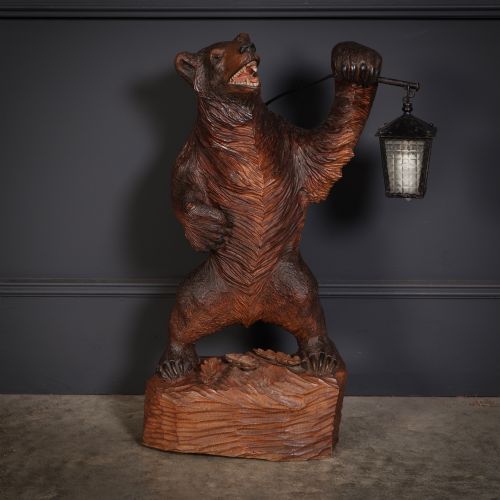
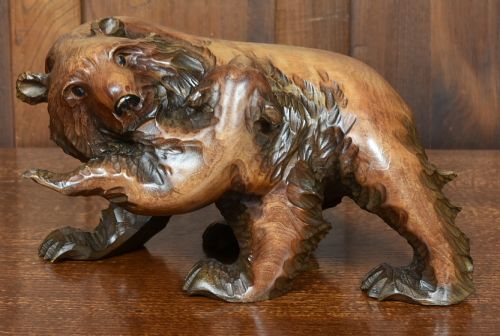
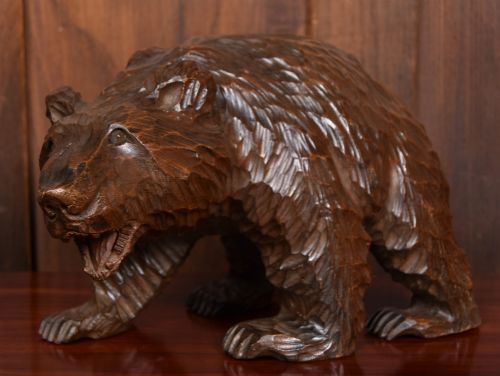
These hand carved bear sculpture examples range from Victorian Black Forest pieces to Japanese folk art figures, offering remarkable animal character for your mantel.

Hand Carved Bear Sculpture
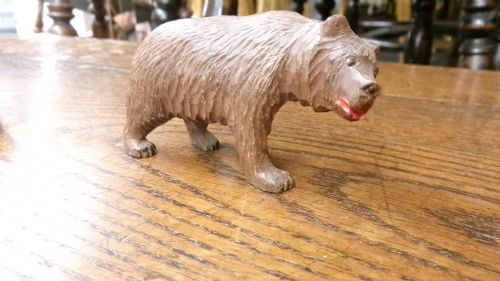
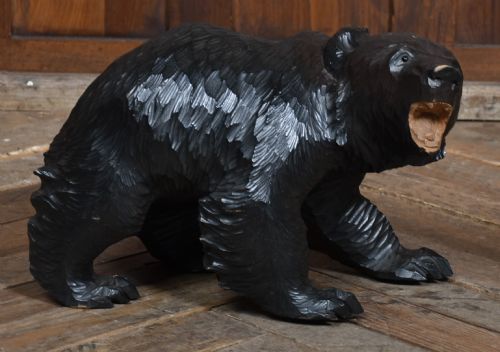
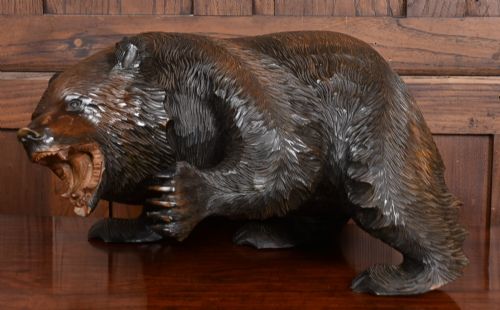
A hand carved bear sculpture represents a tradition of animal carving from European and Asian folk art traditions. These pieces include standalone figures, pairs, and functional items like inkstands or miniature sets.
The most common examples on this page are carved from linden wood and other hardwoods, originating from the 19th century, the Victorian era, and the Edwardian period. Collectors encounter distinct regional carving styles, notably Black Forest and Japanese folk art.
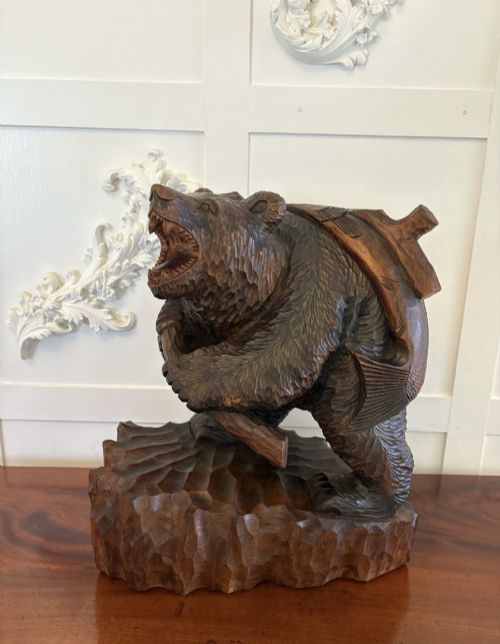
Makers produced these sculptures in various sizes, ranging from small desk ornaments with stud eyes to large decorative figures of bears carrying fish. The forms reflect the wildlife studies and rustic tastes popular during the late 19th century and early 20th century.
Materials and construction
Carvers shaped these sculptures predominantly from linden wood, walnut, and assorted hardwoods using hand chisels and gouges. The choice of linden wood allowed artisans to achieve fine detail in fur texture and facial expressions.
Surfaces received treatments such as stain and wax to enrich the natural grain and colour of the timber. Some pieces incorporate small additions like stud eyes to accentuate the realism of the bear.
Hand Carved Bear Sculpture Retail Price Guide 2026
Typical asking prices for hand carved bear sculpture among the pieces listed under this phrase on Sellingantiques today, from the lower quarter to the upper quarter. They describe what is for sale here now, not the wider market.
Distinctions in quality
Quality in a hand carved bear sculpture rests upon the naturalism of the anatomy and the precision of the fur texturing. Superior carvers captured the weight and posture of the animal with accurate proportions rather than rigid symmetry.
The depth and crispness of the tool marks distinguish finer examples from standard decorative items. Pieces that retain their original warm wax finish and retain intact components display better preservation.
The Hand Carved Bear Sculpture Glossary
- Black Forest
- A style of wood carving originating from the mountainous region of central Europe, known for realistic animal and forest motifs. Pieces from this tradition often depict bears in various poses or incorporated into furniture.
- Kibori Kuma
- A traditional Japanese wood-carved bear originating from Hokkaido, typically depicting the animal holding a fish. These sculptures formed a significant part of Japanese folk art production in the 19th century.
- Linden wood
- A pale, fine-grained timber frequently utilised by carvers for its softness and lack of prominent grain. This material permits intricate detailing without splitting.
- Stud eyes
- Small metal or glass inserts fitted into the head of a carved animal to represent eyes. They add a lifelike glint to otherwise plain wooden figures.
Hand Carved Bear Sculpture: Frequently Asked Questions
How do I date a carved bear sculpture?
Dating relies on stylistic clues, regional characteristics, and the type of wood finish applied by the maker. Nineteenth century pieces often show distinct hand-tool marks and period-specific mounting.
Examining the wear patterns and the timber species helps place the sculpture within Victorian, Edwardian, or earlier production periods.
Where were Black Forest bears made?
These carvings originated primarily in the mountainous regions of Switzerland and Germany during the 19th century. Local workshops produced them as souvenirs for travellers and as high-end decorative objects for European homes.
The regional style spread, influencing carvers across Europe and inspiring distinct animal sculptures.
What is a Kibori Kuma bear?
Kibori Kuma refers to Japanese wooden bear carvings created in the northern region of Hokkaido. These figures frequently depict a bear carrying a salmon in its jaws.
They represent a notable intersection of traditional Japanese folk art and Western carving influences during the 19th century.
How do I care for wooden bear sculptures?
Maintain these pieces by keeping them away from direct sunlight and sudden temperature changes that can dry out the timber. Dust them gently with a soft, dry cloth.
Apply a neutral furniture wax very sparingly only when the wood appears dry, preserving the original surface sheen.