





Hand Carved Architectural Salvage
Hand carved architectural salvage brings together centuries of historic masonry, timber framing and structural ornament rescued from older buildings.
Hand Carved Architectural Salvage
Hand carved architectural salvage comprises fragments, panels, doors and masonry rescued from historic buildings spanning multiple centuries. Buyers search for these pieces to incorporate authentic period character into modern interiors or gardens.
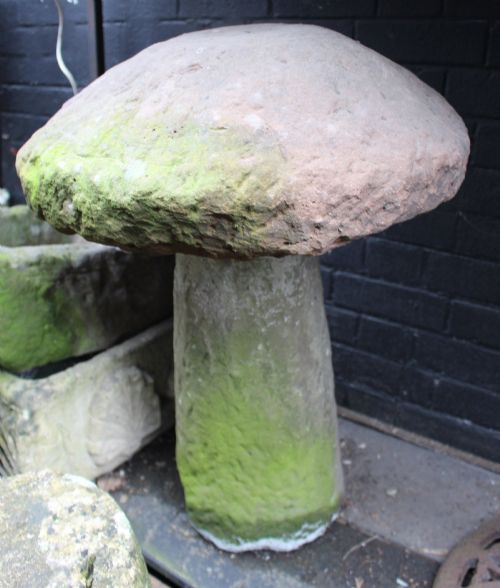
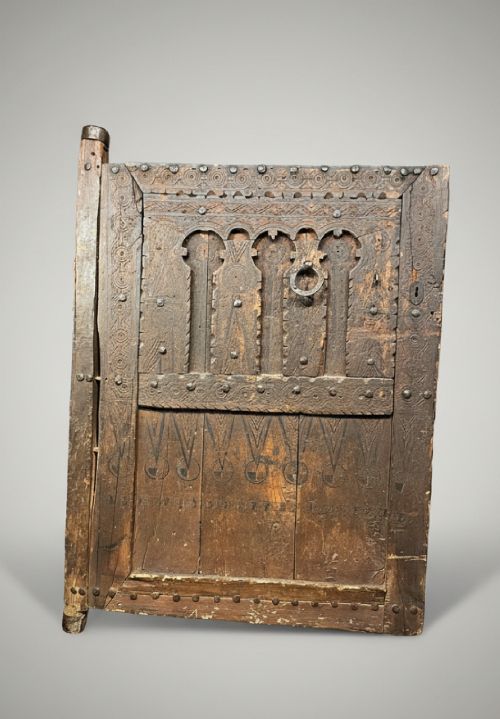
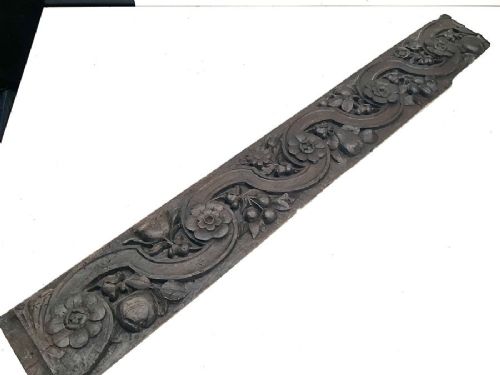
The selections on this page lean heavily towards solid oak panels, stone corbels, granite staddle stones and timber doors. These items originate from British, French, Chinese, Indian and North African traditions.
Form varies from small ceiling bosses and carved friezes to large structural columns and heavy millstones. Each object carries the weathering and tool marks of its original construction era.
Materials and construction methods
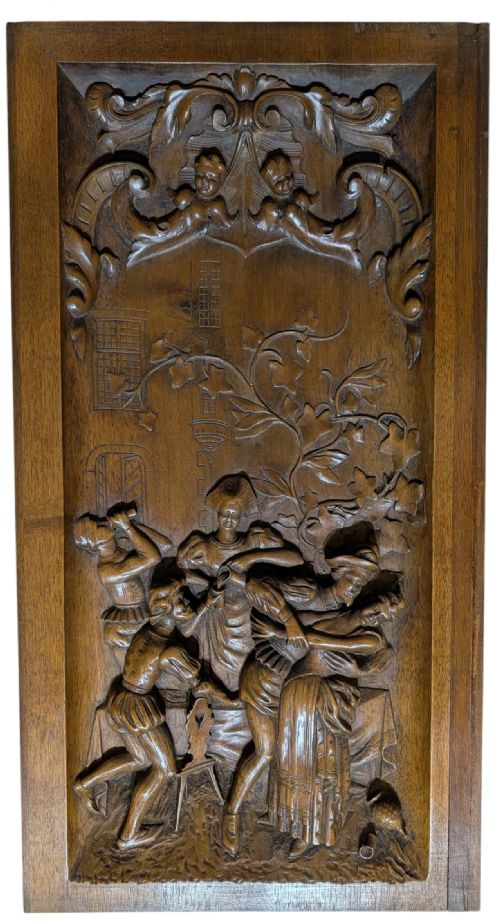
Carpenters and masons shaped these pieces using traditional hand tools on native hardwoods such as oak, walnut, pine and limewood. Dense stones like sandstone, granite, York stone and limestone required specialised chisels and mallets.
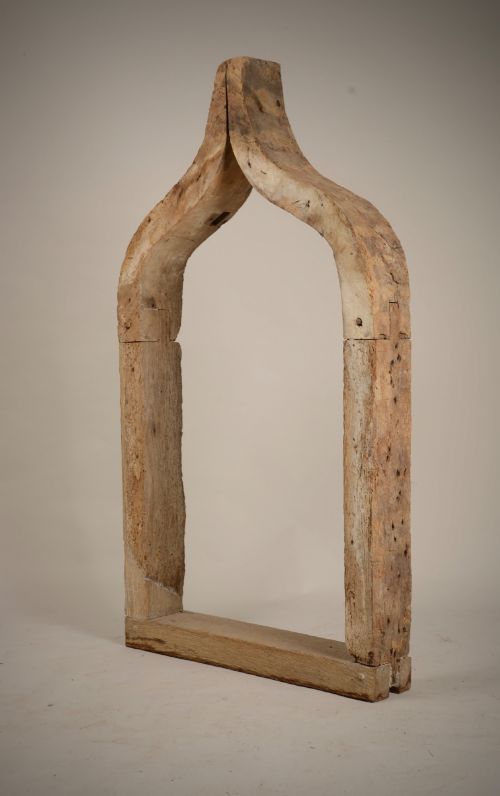
Joinery techniques relied on pegged mortise and tenon joints for timber panels and doors, while structural stone elements relied on sheer weight and iron tethering hardware. Surface treatments range from exposed natural grain and aged moss to remnants of historic paint.
Listings span periods from pre-sixteenth century medieval fragments up to the early twentieth century, incorporating oak, sandstone, granite and pine.
Assessing quality in salvaged fragments
Quality rests upon the crispness of the hand chiselling and the depth of relief work visible in the wood or stone. Skilled artisans achieved balanced proportions and fluid lines even on utilitarian objects like corbels and ceiling roses.
Condition and originality dictate the standing of a piece, separating heavily altered fragments from intact survivals. Elements retaining original ironwork, untouched surfaces or documented provenance hold greater architectural integrity.
The Hand Carved Architectural Salvage Glossary
- Staddle stone
- A mushroom-shaped stone support originally used to raise granaries and barns off the damp ground. These typically feature a sturdy base and a separate cap.
- Corbel
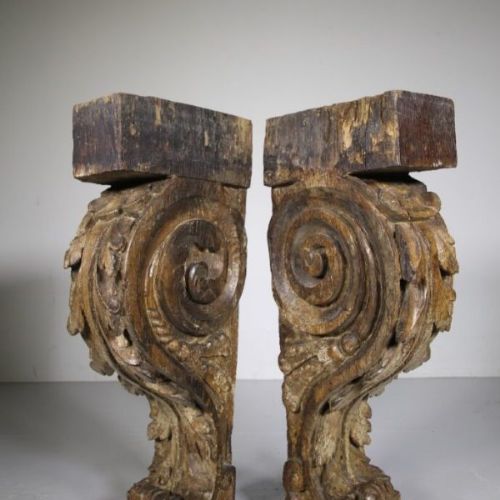
- A structural piece of stone or wood projecting from a wall to support a weight above. They frequently display carved figural or foliate designs.
- Ceiling boss
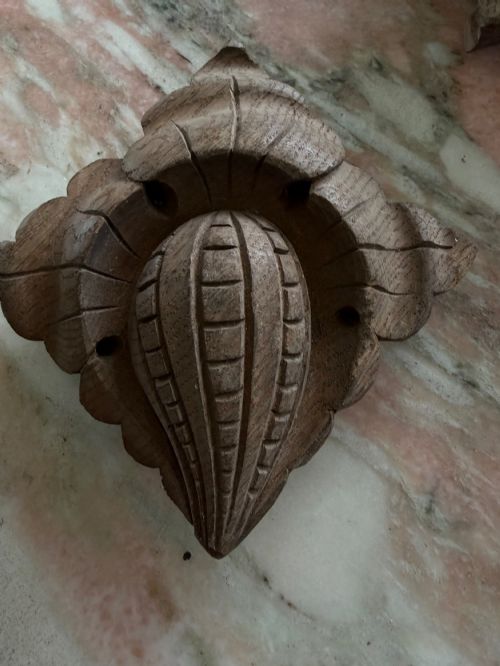
- A decorative keystone placed at the intersection of rib vaulting in a ceiling. These are often carved from oak with floral or geometric motifs.
- Linenfold
- A style of wood carving used to panel interior walls, mimicking folded parchment or fabric. This technique appeared widely in Tudor and Gothic joinery.
- Millstone
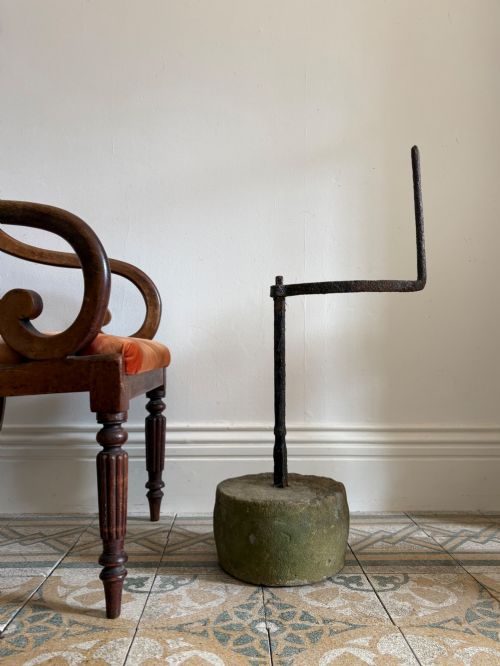
- A heavy circular stone wheel used for grinding grain. Granite and sandstone examples often retain central apertures and forged iron handling fixtures.
Hand Carved Architectural Salvage: Frequently Asked Questions
How do I install heavy stone architectural salvage?
Heavy stone items like staddle stones or millstones require stable, level ground in a garden or courtyard setting. Due to substantial weight, positioning often necessitates mechanical lifting equipment and professional masonry anchors for wall-mounted fragments.
Lighter wooden panels and doors can be hung using standard heavy-duty brackets adapted to wall studding. Ensure adequate load-bearing support before mounting architectural fragments indoors.
Can exterior stone salvage withstand winter frost?
Most historic stone types including granite, sandstone and York stone tolerate outdoor placement well. Their dense composition resists moisture penetration during freezing temperatures.
Softer limestone or weathered sandstone benefits from being raised slightly off wet soil during winter months. Regular cleaning prevents moss accumulation from holding excessive moisture against the carved surfaces.
How do I clean historic oak panels safely?
Historic oak wood requires gentle dry brushing with a soft bristle brush to remove accumulated surface dust. Avoid harsh chemical cleaners, detergents or excessive water that can raise the grain or strip aged patinas.
Applying microcrystalline wax periodically helps nourish dry timber and protects the surface from humidity changes. Test any maintenance product on a hidden corner before treating the entire carved panel.
How do I identify the age of a carved wooden panel?
Dating relies on examining tool marks left by hand chisels rather than modern machinery. Peg holes, timber shrinkage patterns, and specific decorative motifs like linenfold or Gothic tracery provide clues to the century of manufacture.
Wood species also offer context, as English oak and walnut predominate in earlier European pieces while exotic woods appear in later global trade items. Comparing construction methods with documented regional pieces helps narrow down the production era.