
Hand Blown Glass Glasses
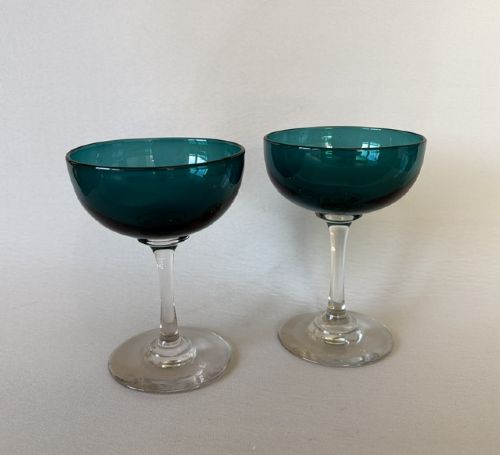
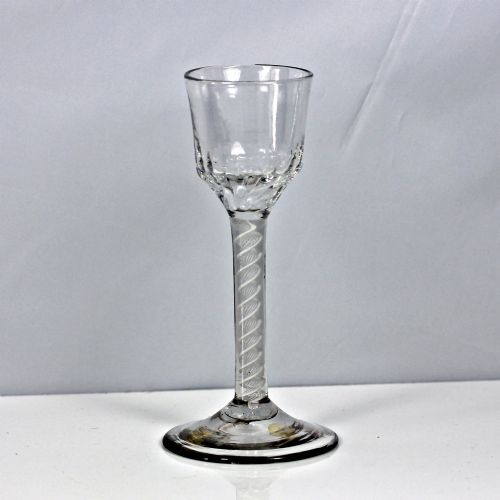
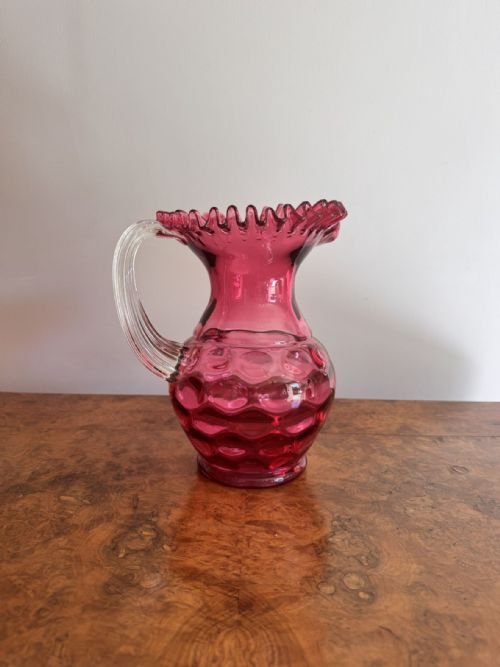
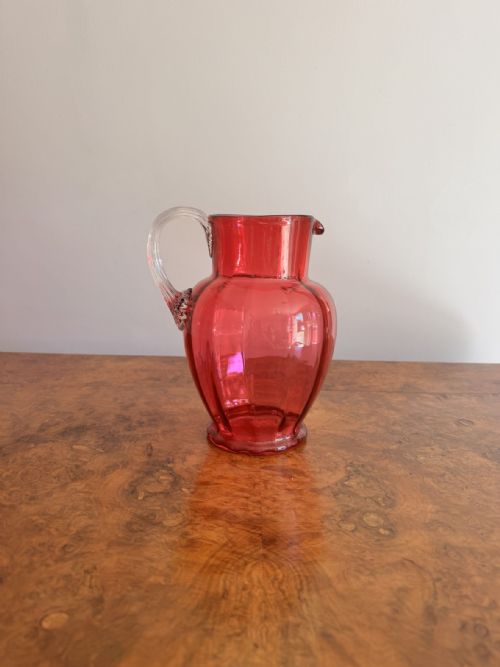
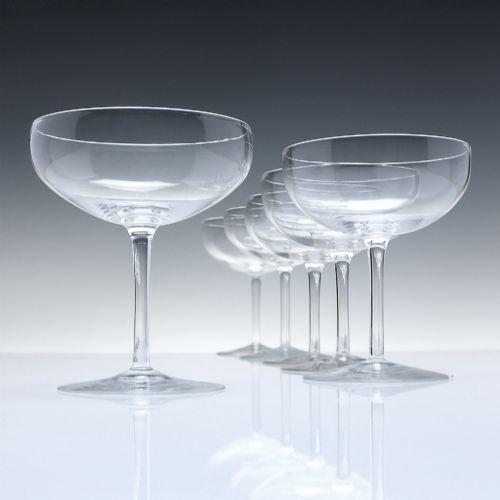
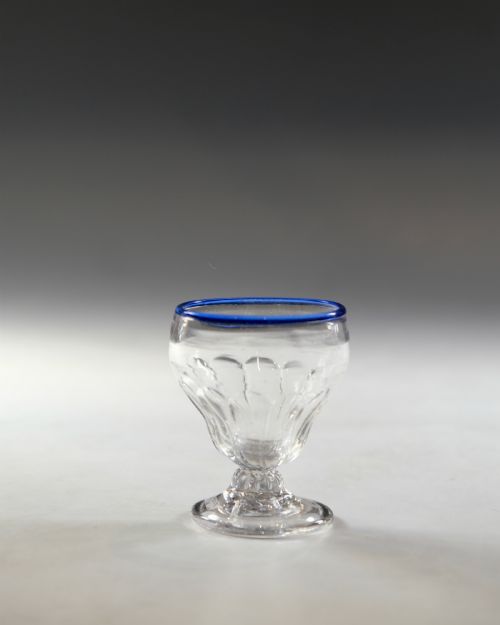
These hand blown glass glasses bring together centuries of shaped lead, clear, and coloured metal from Georgian wine vessels to Victorian cranberry sets.
Hand Blown Glass Glasses
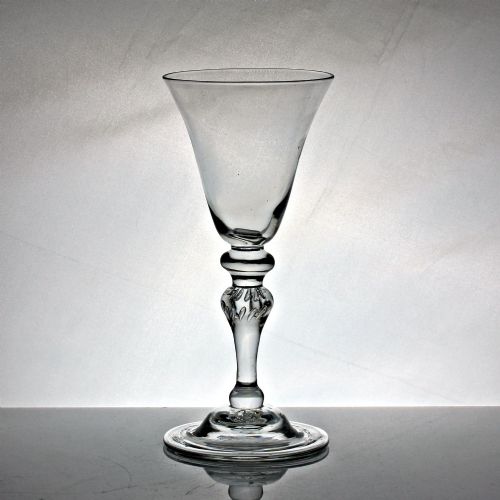
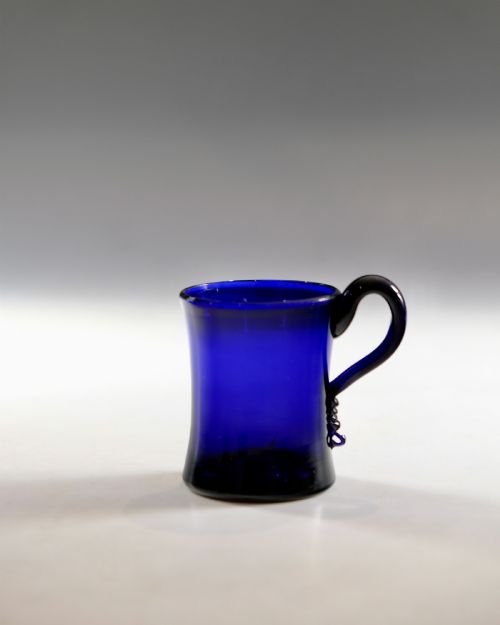
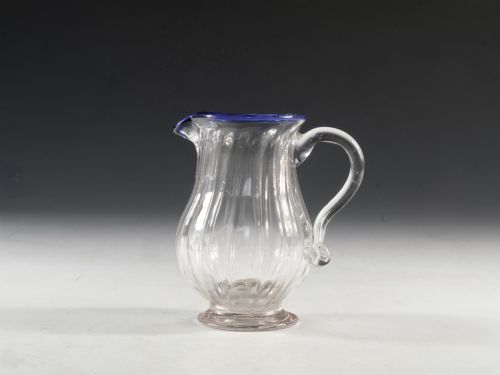
Hand blown glass glasses and related drinkware appear across several periods, most notably in Georgian and Victorian forms. Buyers encounter wine glasses, champagne coupes, rummers, and tankards produced through traditional mouth-blown methods.
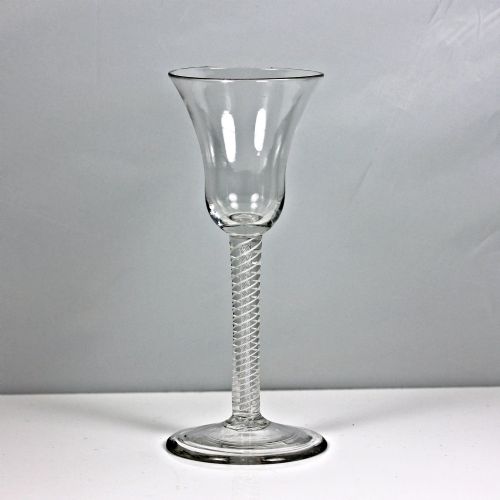
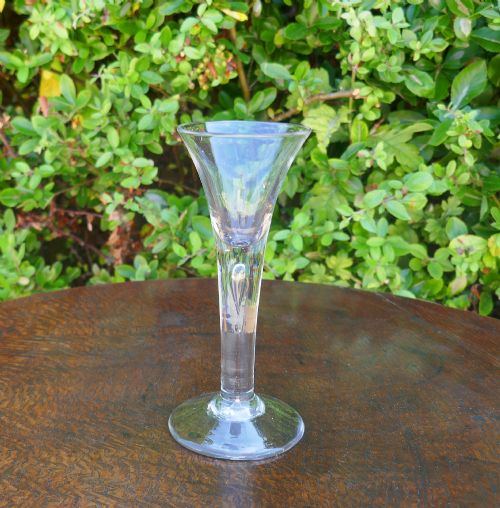
The selection extends from delicate 18th-century trumpet-bowl wine glasses with air bubbles in the stem to sets of 19th-century cranberry glass stemware. Vessels span functional tavern and dining table use as well as decorative display forms.
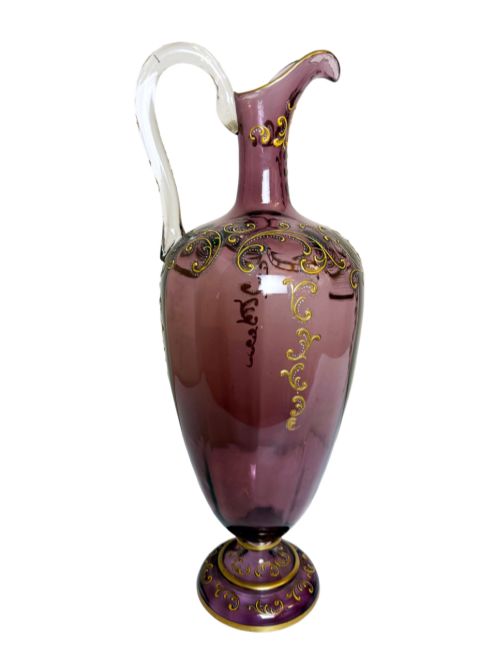
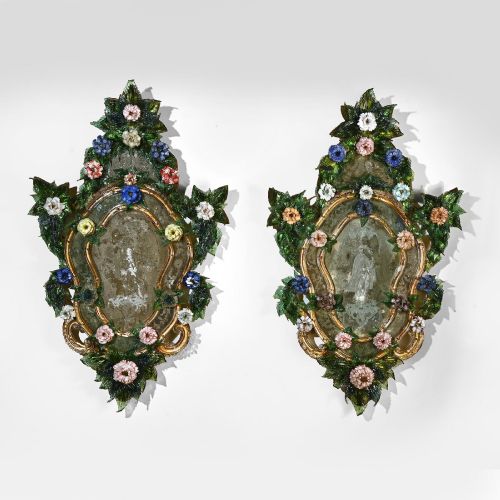
English, Scottish, and continental European workshops account for the origins of these items. Pieces range from simple tavern rummers to elaborate Venetian-inspired and Bohemian enameled creations.
How they were made
Craftsmen shaped molten metal on the end of a blowpipe, using pontil rods to transfer vessels for finishing the rim and foot. Lead glass offered higher refractive qualities, while clear, cranberry, cobalt, and green metals derived their coloration from metallic oxides added to the batch.
Decoration involved trailing, enamelling, gilding, and etching directly onto the cooled surface. Makers also incorporated air bubbles deliberately into stems during the blowing process or added applied handles and folded feet.
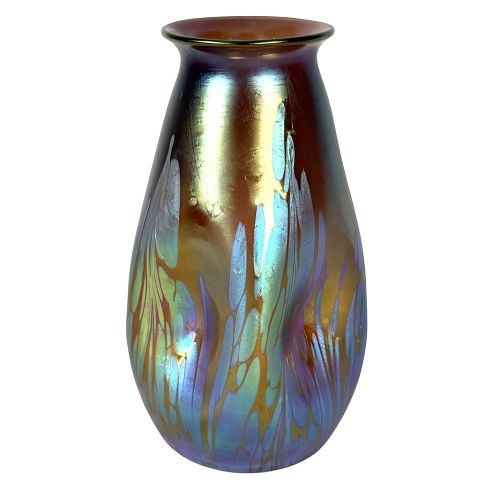
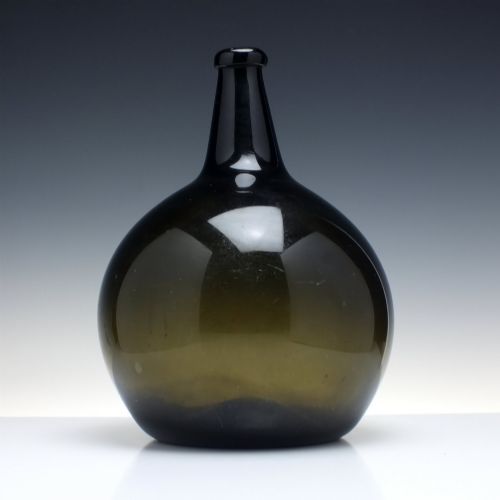
Object forms include wine glasses, decanters, apothecary jars, oil lamps, and vases.
What varies in quality
Artistic execution in decorative elements such as enamel painted scenes, gilt applique, and applied trails distinguishes standard utility ware from finer cabinet pieces. The harmony between the original design and the blowing technique determines the standing of each piece.
Loetz·Vasart Glass·James Powell
The Hand Blown Glass Glasses Glossary
- Pontil mark
- The rough scar left on the base of a vessel where the pontil rod was snapped off after blowing. This feature helps confirm traditional hand-blown manufacture.
- Cranberry glass
- A rich pinkish-red glass produced by adding gold chloride to the molten batch. It gained popularity during the Victorian era for jugs, bowls, and wine glasses.
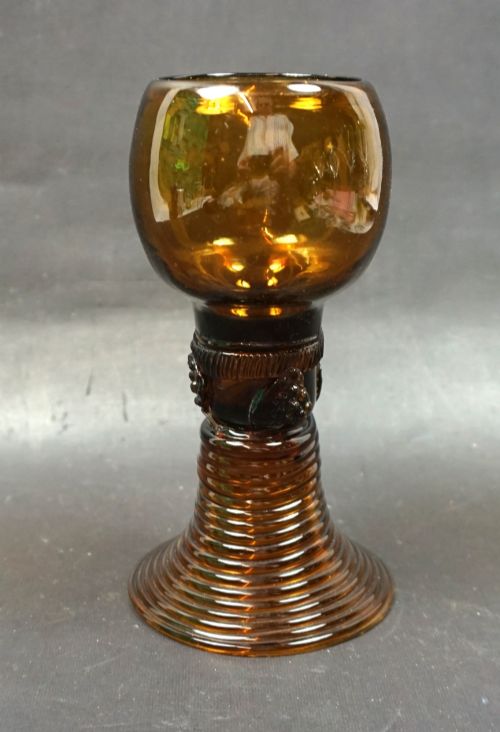
- Roemer
- A traditional Germanic drinking vessel featuring a wide bowl on a cylindrical stem wrapped with applied prunts or coils. These typically utilise green or amber glass.
- Tear
- An elongated air bubble trapped intentionally inside the stem of an 18th-century wine glass. Makers produced these by pricking the hot metal during formation.
- Tazza
- A shallow pedestal plate or dish used for serving small items at table. Georgian examples display flat or scalloped tops supported by a central stem and foot.
Hand Blown Glass Glasses: Frequently Asked Questions
How do I clean antique wine glasses?
Wash these pieces by hand in warm soapy water using a soft cloth, avoiding sudden temperature changes that might crack the aged metal.
Dry them immediately with a lint-free towel to maintain the clarity of the clear or coloured glass.
Are these old glasses safe for drinking?
Many historical vessels function adequately for serving beverages today, provided the interior shows no deep chemical hazing or damage.
Inspect the rim and bowl for any micro-chips before using them at the table.
What is cranberry glass?
Cranberry glass is a pink-red material coloured with gold oxide, seen frequently in Victorian jugs, bowls, and sets of wine glasses.
Its distinct tone varies from pale rose to deep crimson depending on the chemical composition and manufacturing batch.
How can I tell Georgian glass apart?
Georgian pieces often display heavier lead metal content, thicker bases, and distinct stem formations such as balusters, air twists, or plain stems.
Pontil marks on the undersides and characteristic tool marks confirm their period origin.