

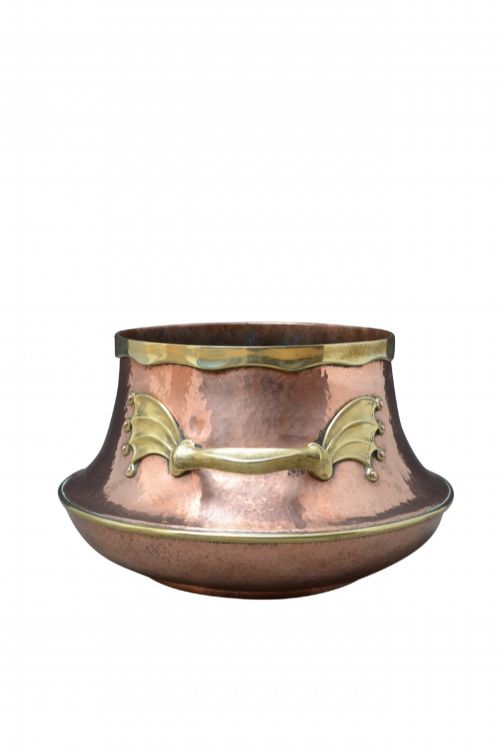


Hammered Copper Holder
These hammered copper holder examples bring texture and warmth to a room through traditional metalwork.
Hammered Copper Holder
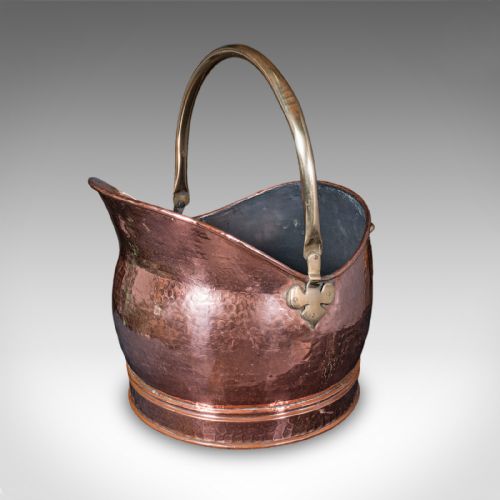
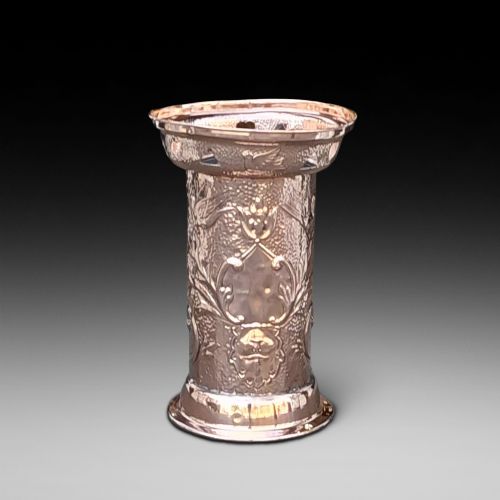
A hammered copper holder encompasses a range of domestic metalwork designed for fireside and decorative use. These items serve practical roles as coal buckets, log bins, umbrella stands, and planters across various historic periods.
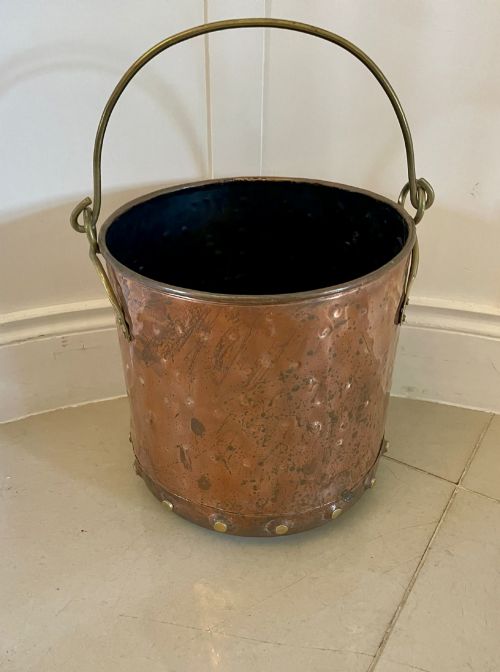
The selections on this page lean heavily into Victorian and Edwardian periods, alongside Arts and Crafts and Art Nouveau designs. Buyers most frequently encounter coal scuttles, stick stands, and jardinieres shaped from sheet metal.
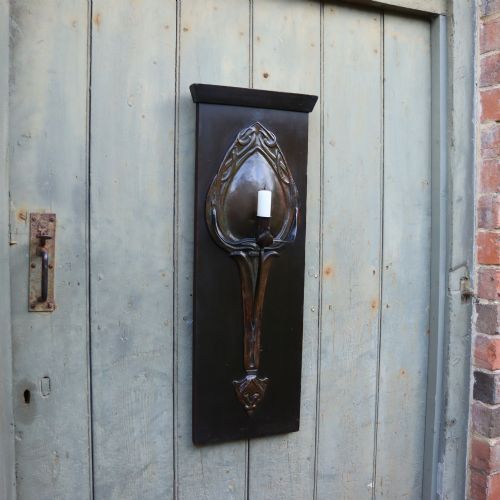
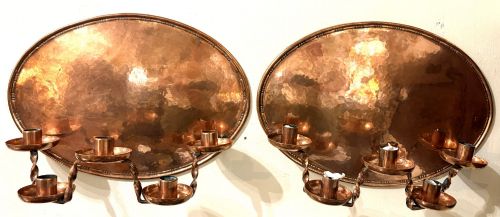
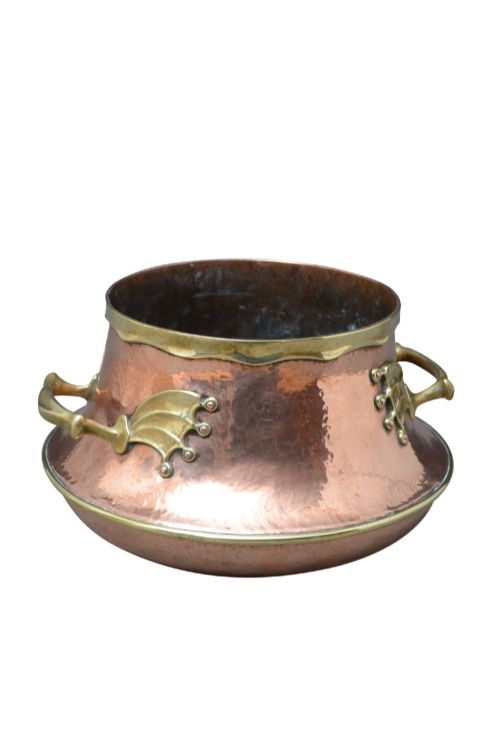
Forms span from simple helmet scuttles to large cauldrons and wall sconces. They reflect domestic utility transformed by decorative movements over the nineteenth and early twentieth centuries.
How they were made
Makers shaped sheet copper by hand, beating the surface to create characteristic dimpled textures. Rivets and brass or iron mounts join the sections together, providing structural strength for heavy domestic tasks.
Wrought iron handles, brass feet, and silver or turquoise accents appear alongside the primary copper body. These mixed metals and hand-finished surfaces define the construction of the period.
Hammered Copper Holder Retail Price Guide 2026
Typical asking prices for hammered copper holder among the pieces listed under this phrase on Sellingantiques today, from the lower quarter to the upper quarter. They describe what is for sale here now, not the wider market.
Several umbrella stands double as letter racks, proving that Victorians wanted their envelopes as waterproof as their walking sticks.
What varies in quality
The depth and uniformity of the hand-beating distinguish standard production from superior examples. Heavier gauge metal provides durability and a substantial feel in daily use.
Construction details such as hand-cut dovetailing, solid brass mountings, and integrated iron framing elevate a piece. Refined styling from recognised design movements like the Arts and Crafts or Amsterdam School adds further distinction.
The Hammered Copper Holder Glossary
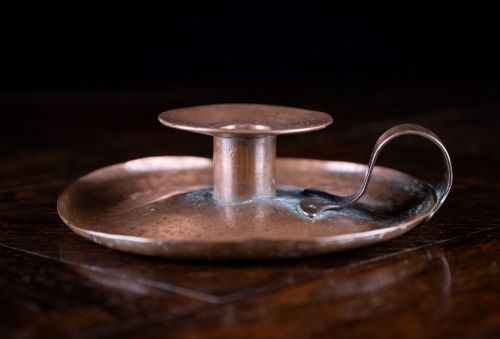
- Pricket candlestick
- A candle holder featuring a sharp metal spike to secure the base of the candle rather than a socket. This form appears frequently in ecclesiastical and larger decorative lighting.
- Helmet scuttle
- A coal bucket shaped with a flared lip resembling a classical helmet, designed for pouring fuel cleanly. It typically includes a hinged swing handle and a smaller steadying handle at the back.
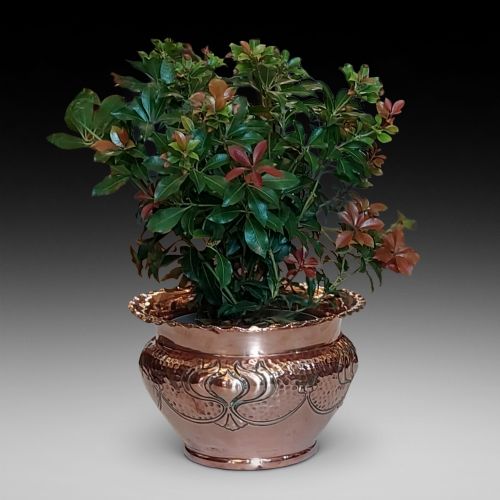
- Jardiniere
- An ornamental pot or stand designed to hold live plants or flowers indoors. These vessels often feature decorative handles and riveted body construction.
- Dinanderie
- An old term for medieval and later brass or copper objects produced in the Meuse Valley. It applies to decorative and functional beaten metal vessels.
- Arts and Crafts
- A design movement prioritising handcraftsmanship and traditional materials over mass industrial production. Objects from this tradition display visible hammering and honest construction.
Hammered Copper Holder: Frequently Asked Questions
How do I clean a hammered copper holder?
Wash the surface gently with warm soapy water and a soft cloth to remove dust and dirt. Avoid harsh chemical cleaners that strip the natural ageing.
Pat the metal completely dry with a soft towel to prevent water spots. Preservation of the darkened patina is generally preferred over aggressive polishing.
Can I use these for logs and coal?
Many of these metal vessels were originally made to hold solid fuel by the fireside. Sturdy construction in thick copper allows them to bear the weight of wood or coal.
Check the internal base for water tightness or wear before loading loose materials. Lining the interior can protect historical metal from modern moisture.
What is the difference between an umbrella stand and a stick stand?
Umbrella and stick stands share identical forms and were often marketed interchangeably in historic catalogues. Both hold long vertical items near an entryway.
Stick stands may include integral drip pans to catch water from wet walking sticks and umbrellas. The terms describe the practical use rather than a distinct structural difference.
How can I tell Victorian pieces from later ones?
Victorian examples tend towards robust utility with helmet scuttles and riveted coal buckets. They often feature cast brass feet and swing handles.
Turn-of-the-century and later pieces frequently show stylized Art Nouveau plant motifs or geometric Amsterdam School lines. Construction shifts toward decorative lightness in the Edwardian era.