


Hammered Copper Coal Bin
These hammered copper coal bin examples bring warmth and texture to a fireside, combining practical fuel storage with decorative metalwork.
Hammered Copper Coal Bin
A hammered copper coal bin serves as a fireside accessory designed to hold solid fuel, logs, or kindling while adding a metallic finish to a room. You encounter these vessels primarily from the Victorian and Edwardian eras, spanning the nineteenth and early twentieth centuries.
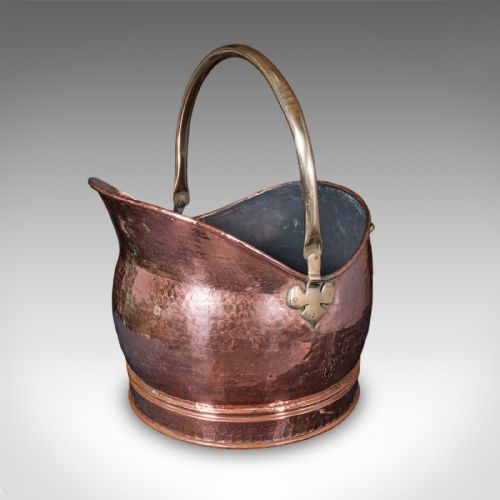
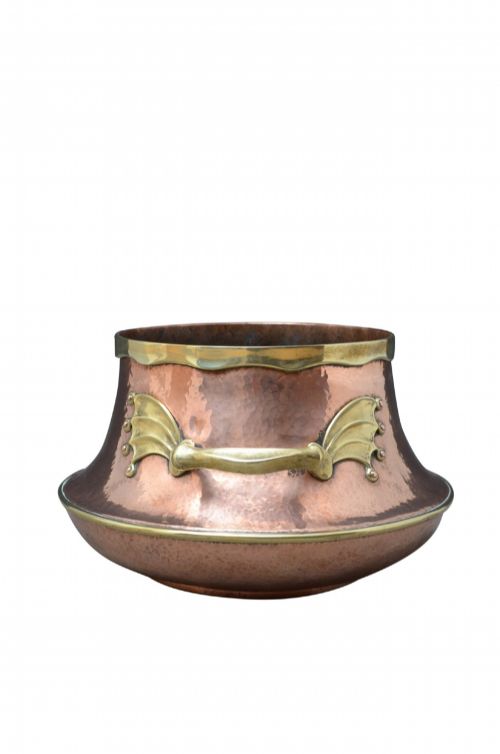
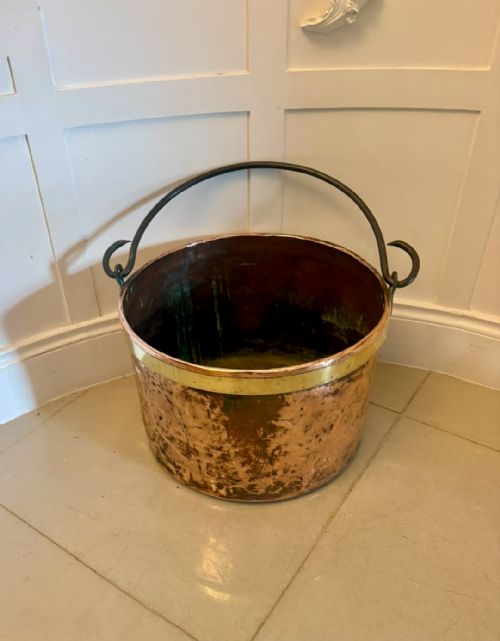
Forms vary from traditional helmet scuttles and lidded boxes to open buckets, cauldrons, and purdoniums. Many examples incorporate brass handles, iron fittings, or wooden elements like oak panels alongside the beaten copper body.
The style often reflects the period of manufacture, moving from ornate Victorian designs through to the handbeaten surface textures characteristic of the Arts and Crafts and Art Nouveau movements.
Materials and construction
Makers formed the body of each bin from sheet copper, shaping the metal by hand with hammers to create distinctive surface textures known as handbeaten, hammer-beaten, or hand-finished effects. This hammering process hardens the metal while producing light-catching facets across the exterior.
Structural reinforcement came from secondary materials such as brass for rims, feet, and swing handles, and occasionally wrought iron or cast iron for strength. Some versions combined metalwork with wooden boxes made of oak to contain the fuel safely.
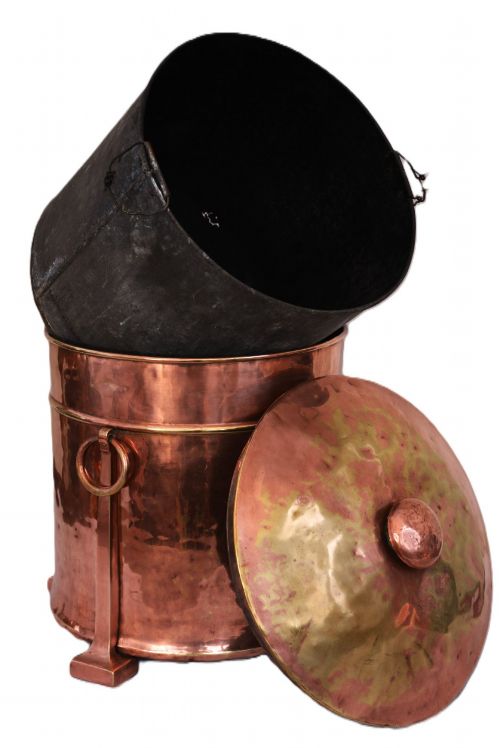
Several copper bins retain their original removable metal liners, designed to catch coal dust before it reached the hearth rug.
Factors that define quality
The distinction between standard utility vessels and superior pieces lies in the crispness and regularity of the hand-hammered texturing across the copper surface. Better examples display careful planishing and robust joints rather than thin, pressed sheet metal.
Integration of secondary metals and materials dictates overall craftsmanship, seen in heavy cast brass handles, secure riveting, and solid timber linings. Well-preserved patination and structural integrity without excessive patching separate the finest fireside pieces from heavily worn alternatives.
The Hammered Copper Coal Bin Glossary
- Hammered copper
- Metalwork shaped and textured using hand hammers to create an undulating surface pattern. This technique increases rigidity while adding visual depth to the material.
- Coal scuttle
- A traditional fireside vessel designed specifically for carrying and storing coal. Forms often feature a flared opening or a hinged lid for easy access.
- Purdonium
- A specialised coal box or cabinet containing a removable metal liner. These enclosed containers keep fuel tidy beside the hearth.
- Dinanderie
- An term for decorative objects made of beaten brass or copper. The designation covers various European metal vessels including cauldrons and bins.
- Helmet bucket
- A coal container featuring a distinctively shaped rim higher at the back than the front. This silhouette resembles a traditional headpiece.
Hammered Copper Coal Bin: Frequently Asked Questions
How do I clean a copper coal bin?
Wipe the surface gently with a soft, damp cloth to remove dust and maintain the existing dark patination. Avoid harsh metal polishes that strip away the aged finish accumulated over decades.
For stubborn marks, use a mild soapy solution and dry the metal thoroughly immediately afterwards to prevent spotting.
Can I use these bins for logs today?
Many of these containers function well for holding dry logs, kindling, or magazines beside a modern fireplace. Check that any internal metal liner remains intact if you intend to store damp fuel.
Lined boxes protect the outer copper and underlying wooden structures from moisture and dirt accumulation during daily use.
What is the difference between Arts and Crafts and Victorian bins?
Victorian examples tend to display brighter finishes, polished brass accents, and formal shapes like the classic helmet scuttle. They often prioritize decorative display alongside utility.
Arts and Crafts pieces emphasise visible handbeaten surfaces, simpler geometric forms, and honest construction methods that showcase the artisan's labour.
How do I date an antique copper bin?
Examine the construction methods, including the style of riveting, the type of screws used, and the formation of handles and feet. Hand-cut dovetails in wooden components or specific makers' stamps can also indicate the period.
Stylistic cues such as Art Nouveau whiplash motifs or Aesthetic Movement engraving help narrow down the decade of manufacture.