
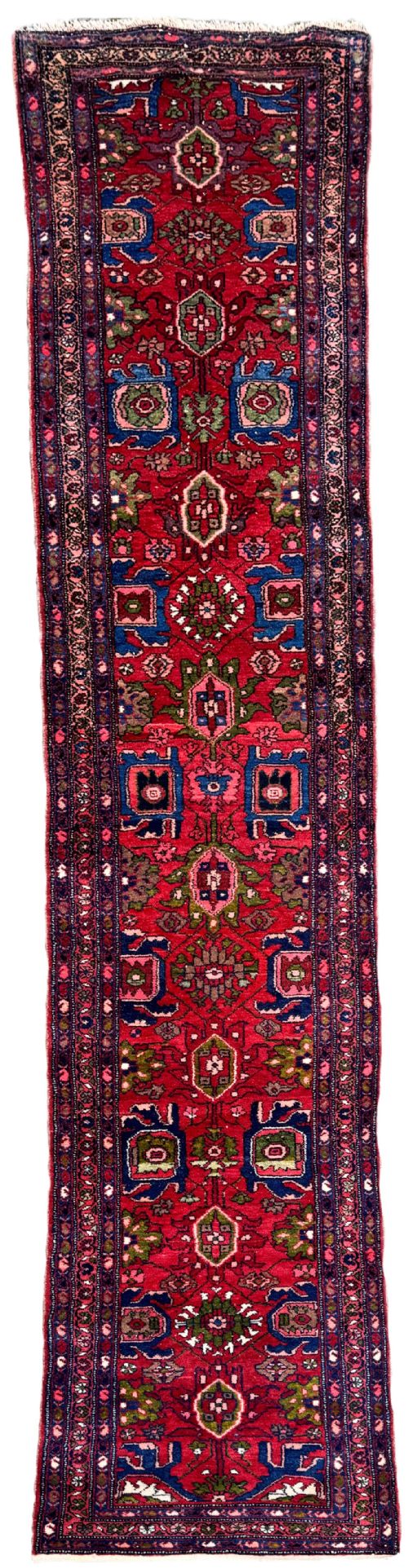
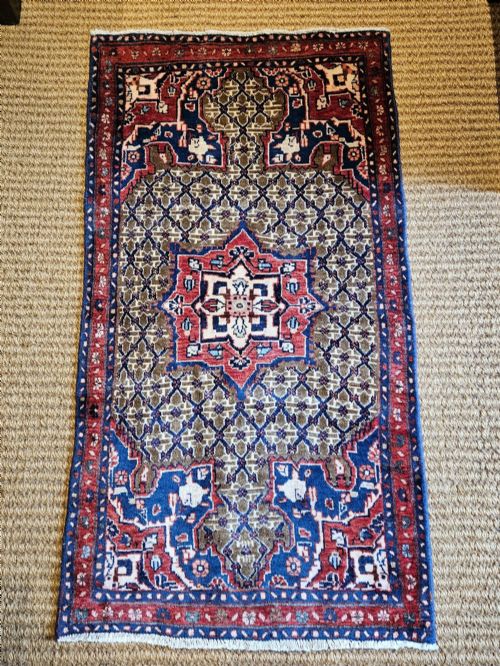
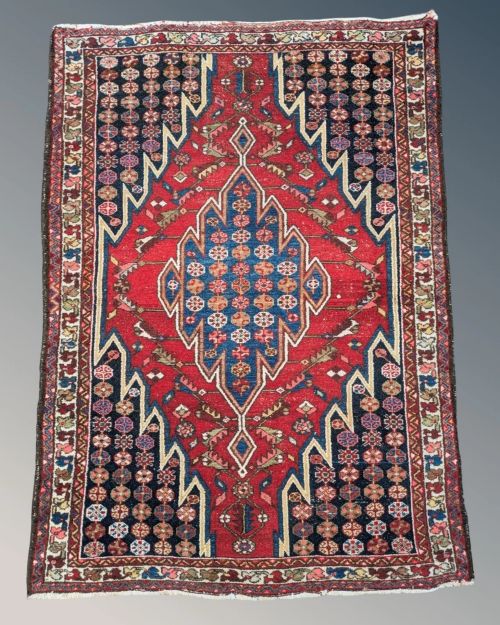
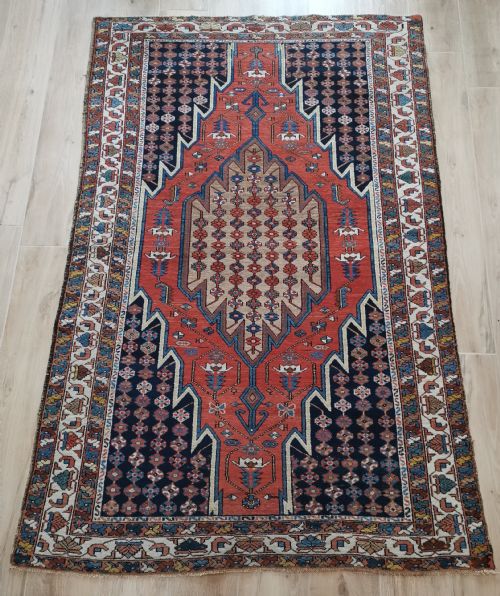


Hamadan Wool Runner
A hamadan wool runner brings durable Persian village craftsmanship to a hallway, offering practical length and rich traditional motifs woven for everyday use.
Hamadan Wool Runner
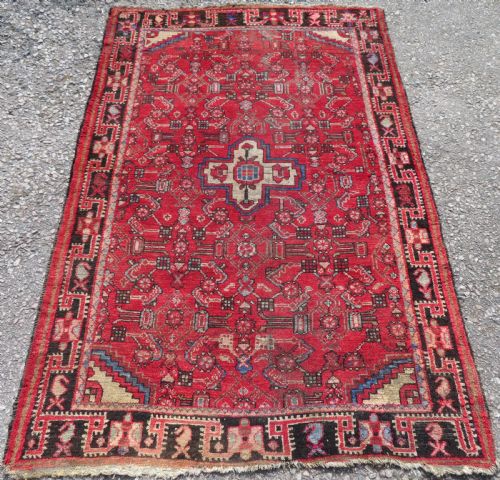
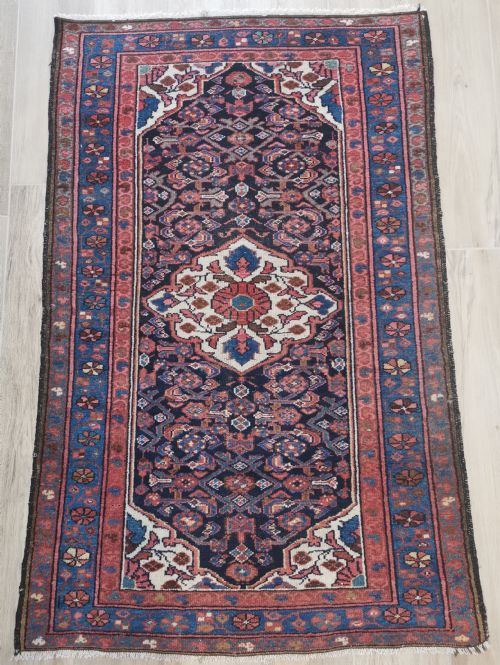
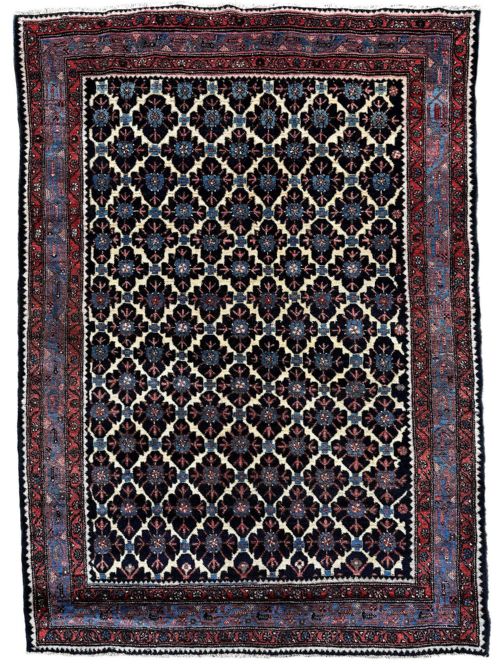
A hamadan wool runner is a long, narrow floor covering originating from the villages and towns of the Hamadan region in Persia. These pieces appear in various lengths suited for corridors, hallways, and large rooms, spanning production dates from the late nineteenth century through the early decades of the twentieth century. They encompass distinct regional styles including Kurdish, Borodjert, and Serab influences alongside classic village formats.
Buyers encountering this selection will frequently find narrow runners exceeding four metres in length, as well as shorter formats intended for hearths or corridors. The designs draw upon traditional Persian motifs, geometric village patterns, and floral lattices executed by skilled village weavers. Each piece reflects the utilitarian purpose of Persian tribal and village weaving traditions adapted for practical domestic spaces.
Materials and construction
These textiles are constructed using a durable foundation of cotton threads that support a dense pile hand-knotted from pure wool. The natural resilience of wool provides the thickness and strength required for heavy foot traffic in busy hallways.
Weavers utilised traditional upright looms in village settings, employing hand-spun wool dyed with local materials to create deep, enduring colour palettes. The resulting weave yields a robust structure designed to withstand generations of daily domestic wear.
Some runners are substantial enough to stretch the entire length of a country house corridor, surviving over a century of heavy footsteps.
Judging quality and execution
Quality in a hamadan wool runner rests upon the density of the knotting and the fineness of the wool used in the pile. Tighter knots allow for sharper definition within the geometric and floral motifs, separating standard village production from finer workshop examples.
Condition and proportions also determine the standing of an individual piece, with uniform pile height and straight structural edges commanding greater appreciation. The balance of natural dyes and the crispness of the lattice or medallion design further distinguish superior examples from simpler utilitarian rugs.
The Hamadan Wool Runner Glossary
- Runner
- A long, narrow carpet format specifically designed for hallways, corridors, and passages. These pieces measure significantly longer than they are wide to fit confined spaces.
- Pile
- The upright yarn surface of a rug formed by the ends of knots tied to the warp and weft. A thick pile provides comfort underfoot and protects the structural foundation.
- Warp
- The vertical threads stretched lengthwise on the loom that form the structural skeleton of the rug. Cotton is the standard material utilised for this foundation.
- Kelleh
- A large-sized rectangular carpet format that exceeds standard runner dimensions while retaining an elongated proportion. These pieces function well as expansive floor coverings in principal rooms.
- Kurdish
- Pertaining to the distinctive weaving traditions of Kurdish populations within the Hamadan region. These pieces often display robust geometric patterns and heavy wool construction.
Hamadan Wool Runner: Frequently Asked Questions
Where should I place a runner?
These long formats suit narrow hallways, corridors, and entryways where foot traffic is frequent. Their proportions also work effectively alongside long furniture pieces or beside beds.
Ensure the floor space accommodates the specific length and width of the runner to maintain proper clearance for doors and foot traffic.
How do I clean my rug?
Regular gentle vacuuming without a rotating brush roll removes surface dust from the wool pile. Professional specialist cleaning remains essential for deep washing to preserve the natural fibres.
Avoid excessive moisture and harsh chemical treatments that can damage the delicate balance of wool and cotton foundations.
Are these pieces hand-knotted?
The inventory consists entirely of hand-knotted village textiles produced by traditional Persian weavers. Each knot is tied by hand onto a cotton warp foundation using local wool.
This artisanal method creates the characteristic durability and unique variations found across antique village carpets.
What materials are used?
The construction relies on a sturdy cotton foundation combined with a thick wool pile. Natural wool provides warmth and resilience, while cotton provides structural stability.
These traditional materials ensure the textiles endure decades of household use while maintaining their structural integrity.
How do I date these items?
Dating relies on stylistic markers, structural analysis, and the characteristics of the wool and dyes used by the weavers. Pieces span the late nineteenth century through the early twentieth century.
Regional weaving traits and traditional village motifs provide further clues to determine the approximate decade of production.