

Hallway Stick Storage Stand
A hallway stick storage stand keeps wet umbrellas and walking canes contained while greeting guests with period character.
Hallway Stick Storage Stand
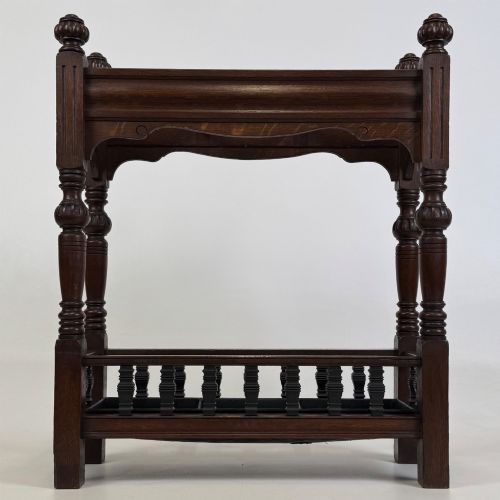
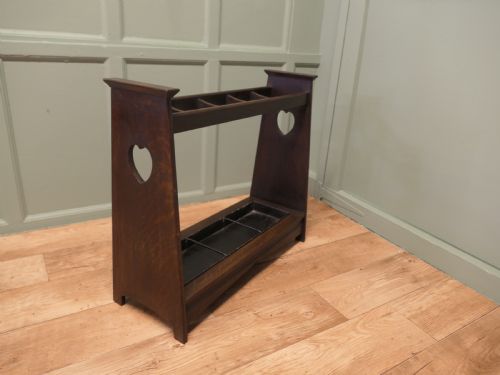
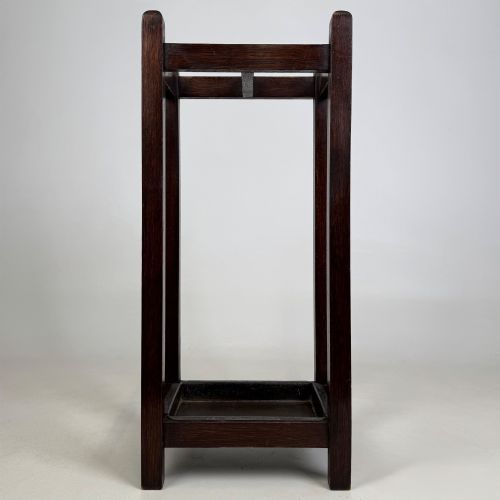
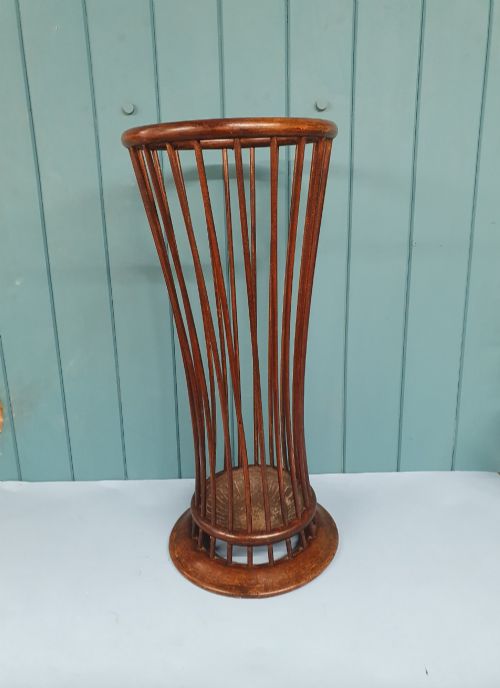
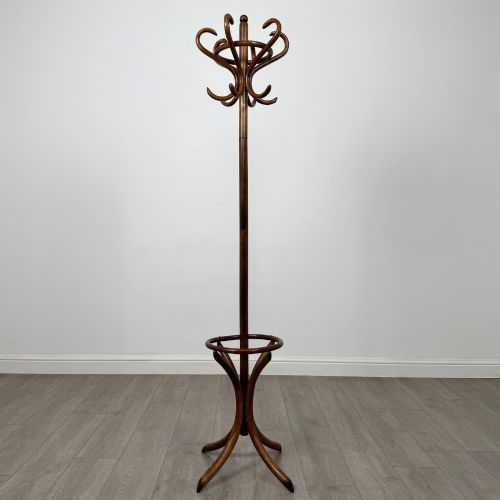
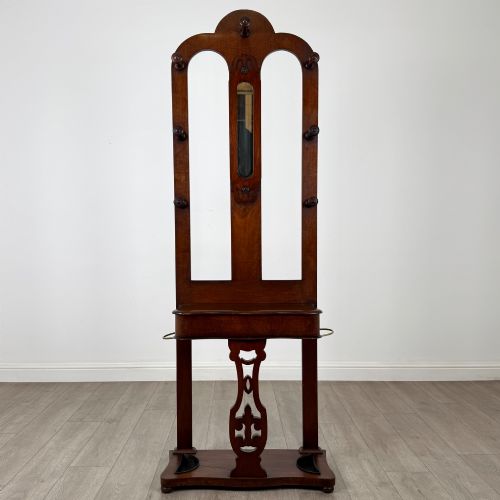
A hallway stick storage stand serves as practical entryway furniture designed to hold umbrellas, walking sticks and canes. These pieces appear frequently in forms such as dedicated umbrella stands, combined hall stands with seating, and coat stands.
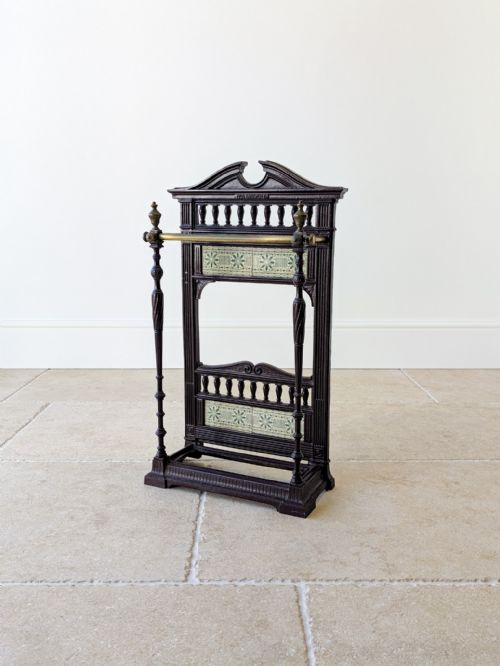
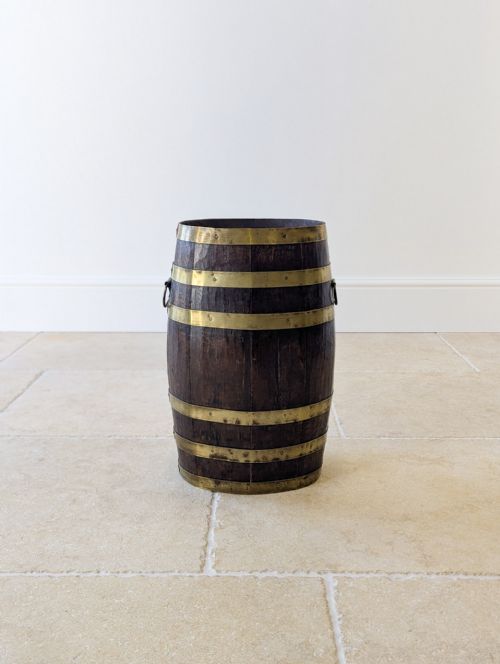
The selections available range from sturdy Victorian oak and coopered barrel designs to lighter Edwardian models and decorative metalwork. Buyers most commonly encounter pieces fashioned from oak, brass, and cast iron dating from the nineteenth and early twentieth centuries.
Originating in grand country houses and suburban villas alike, these furnishings organise the entrance hall. They reflect the domestic habits of the Victorian and Edwardian eras, where damp weather required a designated place for outdoor gear.
Materials and construction methods
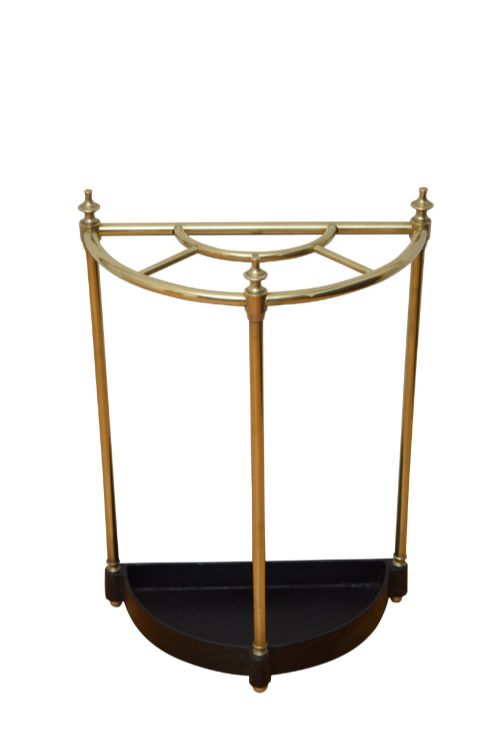
Makers utilised robust timbers like oak and mahogany alongside durable metals including cast iron, brass, and nickel plating. Coopered construction techniques appear in wooden barrels bound with brass hoops, while cast iron versions employ intricate openwork patterns.
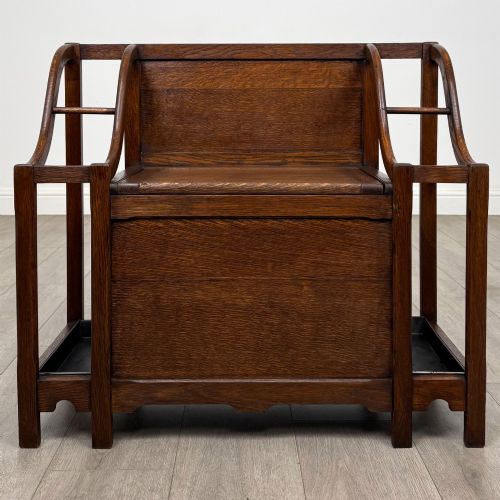
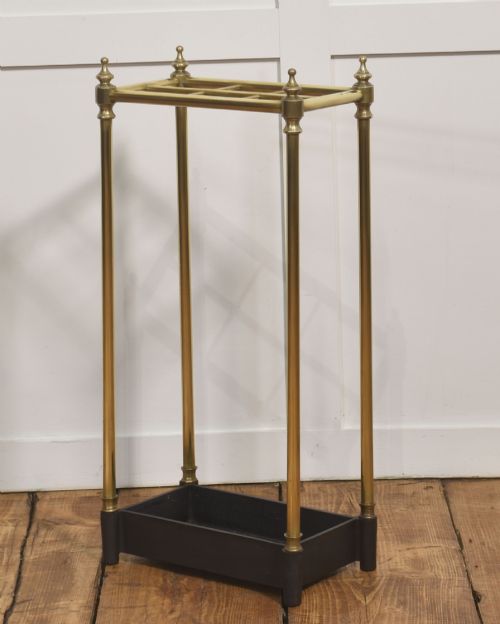
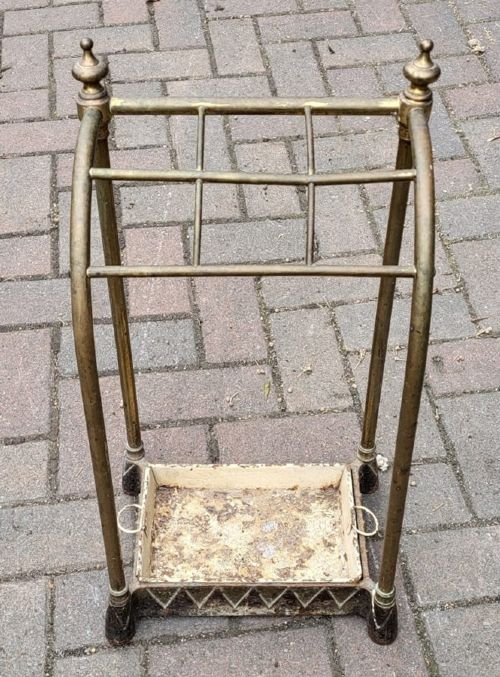
Many examples incorporate original metal drip trays positioned beneath the frame to catch moisture from wet umbrellas. Bentwood techniques also feature in lighter stands, shaping steamed beech into curved structural forms.
What determines quality
Quality rests on the integrity of the materials and the sophistication of the design rather than mere age. Cast iron examples with crisp, deep relief casting and named foundry attributions sit above plain utilitarian ironwork.
Solid timber construction using quarter-sawn oak or rich mahogany displays superior joinery compared to secondary softwood alternatives. The retention of original hardware, such as matching metal drip trays and brass liners, elevates a piece significantly.
Coalbrookdale·Thomas Jeckyll·Thonet·A. Kenrick & Sons
The Hallway Stick Storage Stand Glossary
- Demi-lune
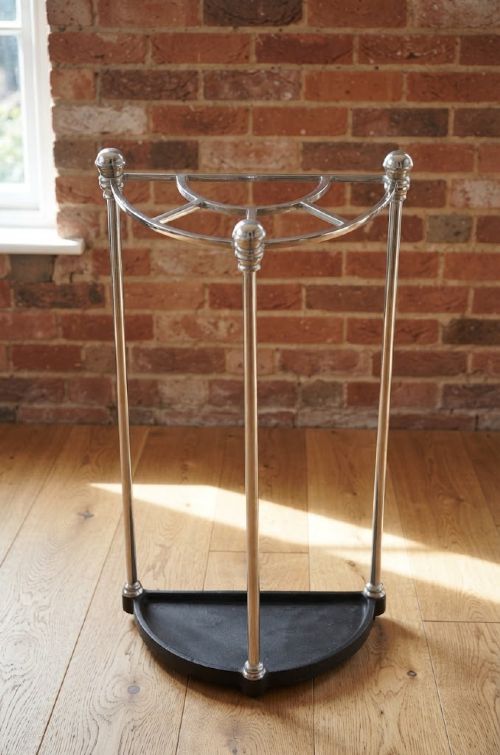
- A half-moon shape common in brass and iron umbrella stands designed to sit flush against an entryway wall. This curved profile saved valuable floor space in narrow Victorian hallways.
- Coopered
- A method of construction where vertical wooden staves are bound together with metal hoops, similar to barrel making. This technique provided the waterproof strength needed for wooden stick stands.
- Cast iron
- Molten iron poured into a mould to create rigid structures and decorative patterns. It allowed Victorian foundries to produce highly ornate, heavy-duty frames for storing wet sticks.
- Bentwood
- Wood softened by steam and bent into curved structural forms. This technique created lightweight yet resilient umbrella and coat stands popular in the early twentieth century.
- Drip tray
- A shallow metal pan placed at the base of a stand to catch water from umbrellas. Original trays preserved the flooring beneath from moisture and rust stains.
Hallway Stick Storage Stand: Frequently Asked Questions
Where should a stick stand go?
These stands belong in the entrance hall, porch, or boot room where people enter the house. Placing them near the front door ensures wet umbrellas and walking canes are deposited immediately upon entry.
Because many designs feature an open metal frame or a demi-lune shape, they fit neatly against narrow hallway walls without obstructing pathways.
How do I protect my floor?
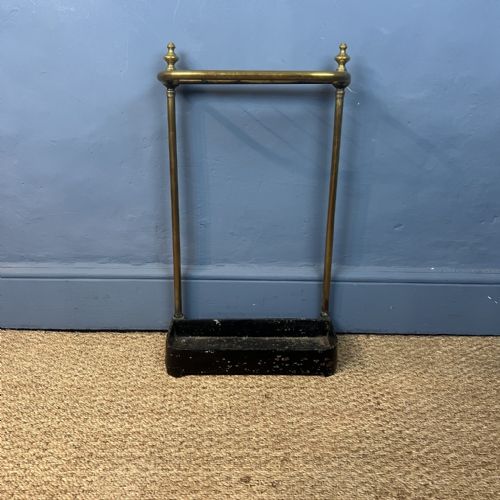
Most antique stands include an original metal drip tray or liner positioned at the bottom. This tray collects rainwater running off damp umbrellas, protecting wooden floorboards or carpets from moisture damage.
If a piece lacks its liner, you can place a small matching tray inside the base to catch any lingering water droplets.
Can these hold walking sticks?
These furnishings were built specifically to accommodate both rain umbrellas and walking canes of various heights. The upper dividers or ring frames keep narrower walking sticks upright and separated so they do not slip sideways.
Heavier cast iron frames easily support solid wood canes with metal ferrules alongside modern umbrellas.
How do I date an iron stand?
Victorian and Edwardian cast iron stands often display registration numbers, foundry marks, or distinct stylistic traits like Aesthetic Movement or Art Nouveau motifs. Heavier, highly ornate castings typically point to the nineteenth century, whilst simpler or geometric forms often date to the early twentieth century.
Examining the bolt construction and the wear patterns on the base also helps establish the era of manufacture.