




Hallway Pendant Fitting
A hallway pendant fitting greets every visitor, casting light through brass, crystal and glass to define a threshold.
Hallway Pendant Fitting
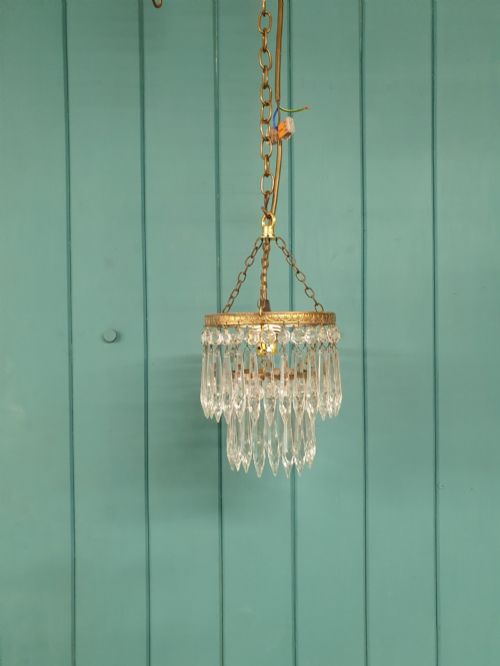
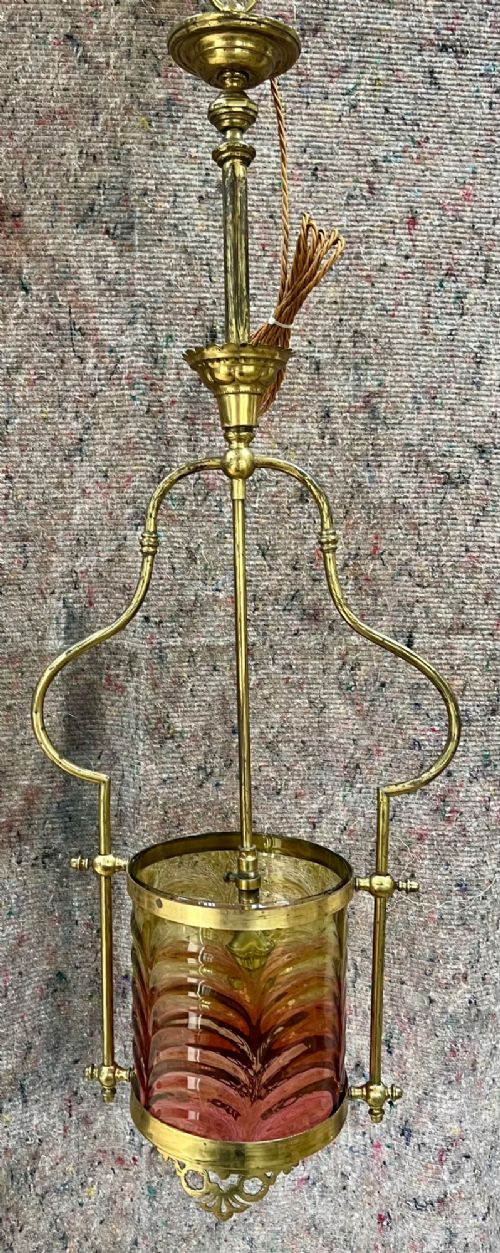
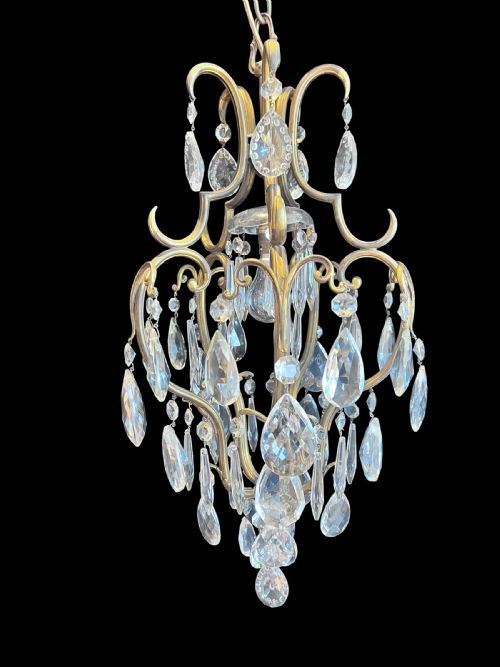
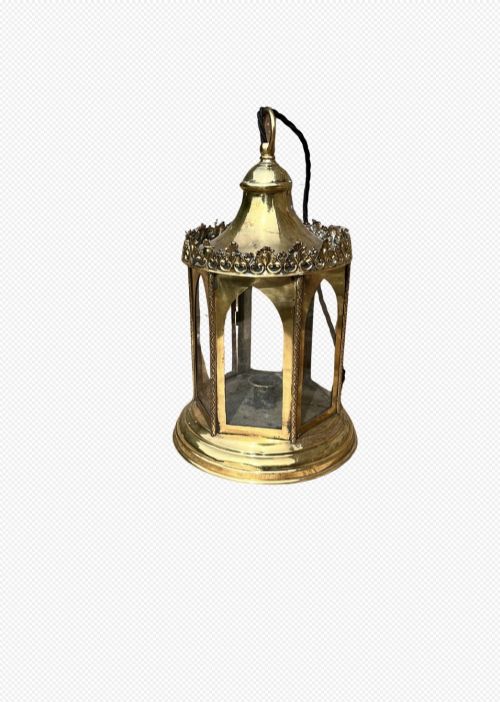
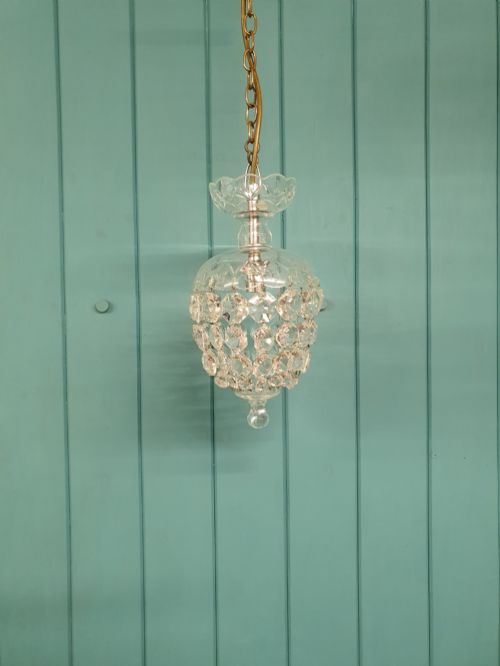
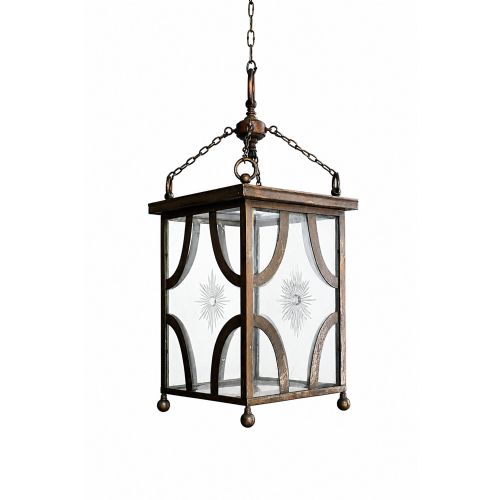
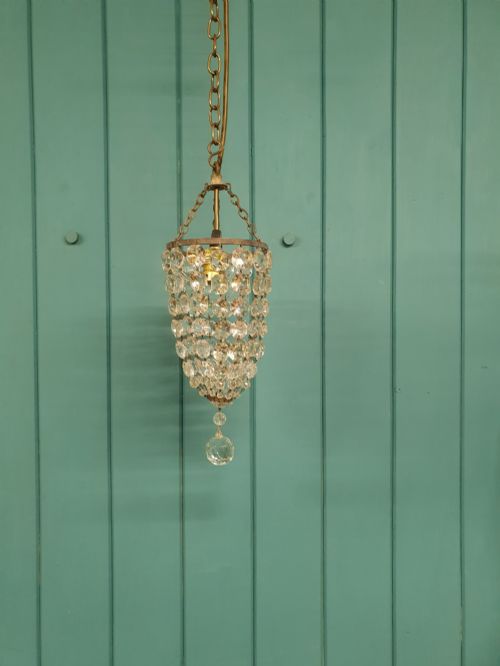
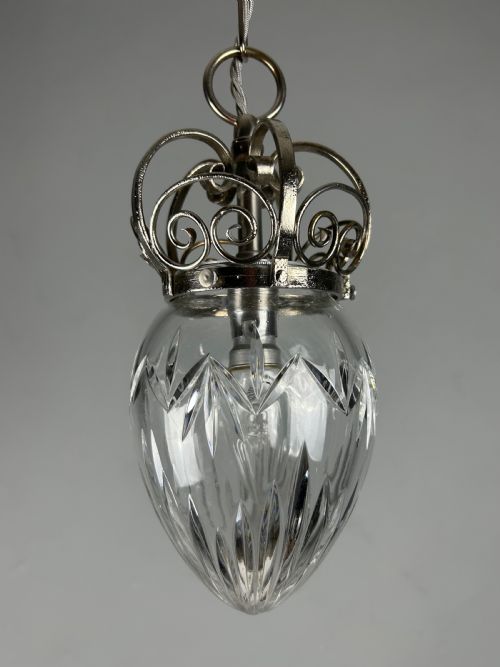
A hallway pendant fitting comprises hanging ceiling lights, hall lanterns and compact chandeliers chosen to illuminate entryways and passages. These fixtures range from simple glass pendants to substantial brass lanterns and crystal bag chandeliers.
The pieces seen here span the nineteenth century through the Edwardian era, the nineteen-twenties and nineteen-thirty. Edwardian examples and early twentieth-century designs appear most frequently in this selection.
Forms include round lanterns, dome top chandeliers, spike chandeliers and panelled hall lanterns. Origin details touch upon English, French, Italian and Bohemian craftsmanship.
Materials and construction
Brass, gilt brass, bronze and chrome provide the structural framework for these hanging fixtures, often paired with copper, giltwood and toleware. Metal components are cast, spun or soldered to form robust frames and suspension galleries.
Glass, cut glass, crystal, moulded glass and lustres shape the optical qualities of each piece. Prisms, beads and panels disperse light through precise bevelling, heavy moulding and hand-cut facets.
Listings feature brass, crystal and cut glass spanning the nineteenth century through the nineteen-thirties.
What separates the finest examples
Quality rests in the depth of metalwork casting and the clarity of the glass elements. Heavier gauge brass frames and finely cut crystal drops indicate superior manufacture.
Proportion and the integrity of original suspension hardware determine the presence of a fixture. Complete sets of lustres, prisms and beads elevate a piece above standard domestic lighting.
The Hallway Pendant Fitting Glossary
- Bag chandelier
- A flat-backed or basket-shaped light fixture encrusted with glass beads and crystal drops, designed to hang close to a wall or ceiling in narrow spaces.
- Hall lantern
- An enclosed glass and metal hanging light originally designed to protect candles or oil flames from drafts in entrance halls.
- Cut glass
- Glass decorated by grinding facets and patterns into the surface with a wheel, enhancing brilliance and light refraction.
- Lustre
- A cut glass pendant drop or spear hung from a chandelier to reflect and multiply light.
- Toleware
- Painted or lacquered sheet metal used for decorative components on select period light fittings.
Hallway Pendant Fitting: Frequently Asked Questions
How do I choose the right size?
Consider the ceiling height and width of your hallway when selecting a pendant fitting. A compact bag chandelier or small spike chandelier suits lower ceilings, while larger lanterns require generous vertical clearance.
Ensure the drop of the light leaves adequate headroom for passage beneath. Proportion matters more than overall scale in a narrow corridor.
Are these lights rewired for modern use?
Many period hanging lights receive modern electrical rewiring to meet current safety standards while retaining their antique metal and glass bodies. Component updates keep older fixtures functional for contemporary homes.
Check individual descriptions for specific wiring details before installation by a qualified electrician.
How do I clean a crystal chandelier?
Regular dusting with a soft brush keeps glass prisms and cut crystal clear. For deeper cleaning, remove detachable drops and wash them in warm soapy water before drying thoroughly.
Avoid harsh chemical cleaners on brass frames and gilt surfaces to preserve the natural patina.
How do I identify an Edwardian pendant?
Edwardian hallway pendants frequently feature polished brass frames, delicate cut glass beads and restrained ornamentation. These fixtures reflect the domestic architectural styles of the early twentieth century.
Comparison with Victorian heavy cast metalwork and later nineteen-thirty geometric designs helps clarify the period.