




Hallway Decorative Mirror
A hallway decorative mirror sets the tone of an entrance, reflecting light and offering a final check before you step outside.
Hallway Decorative Mirror
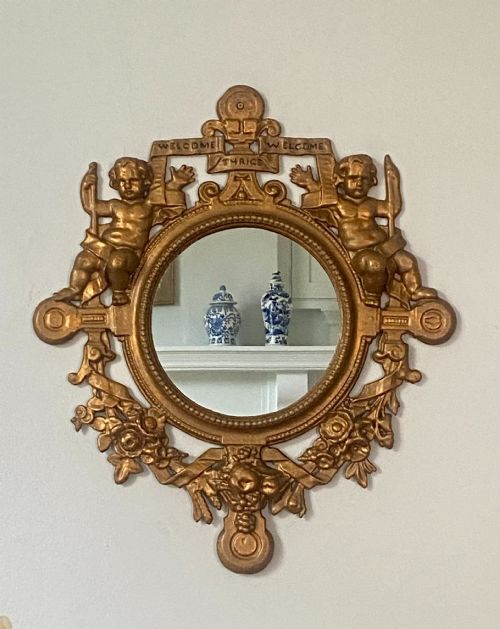
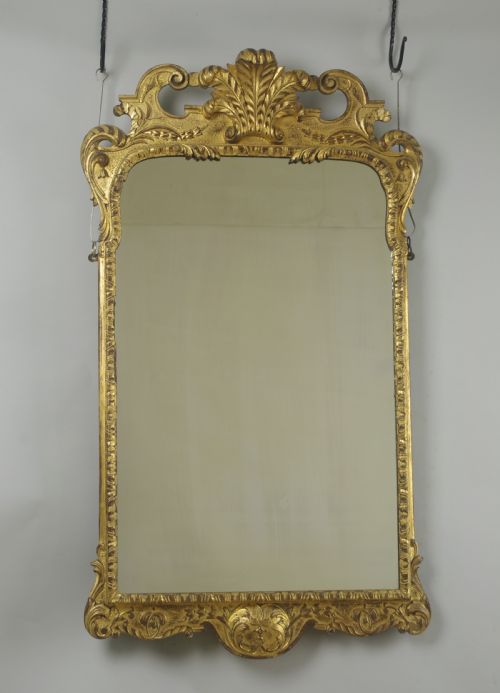
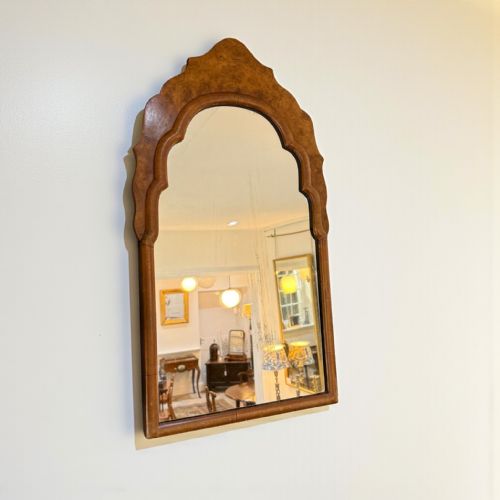
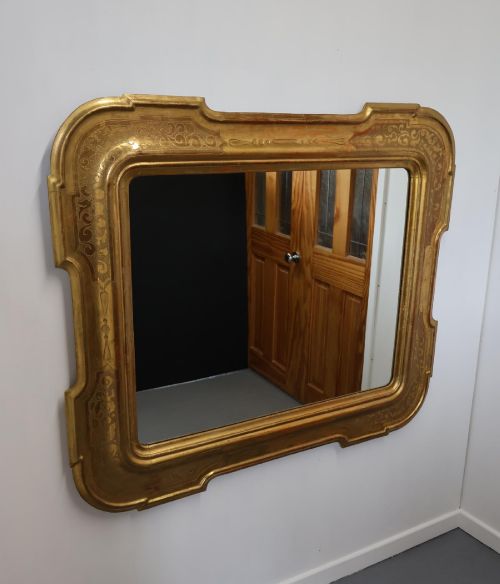
A hallway decorative mirror serves as a functional focal point for an entrance, drawing light into transitional spaces. These pieces appear across Victorian, Edwardian, and Art Deco periods, spanning the nineteenth and twentieth centuries.
Most examples rely on traditional wall-hanging formats, though narrower pier mirrors and console combinations also appear to suit specific entrance layouts.
How they were made
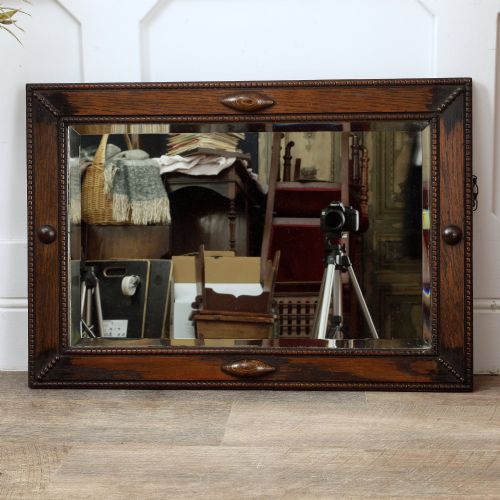
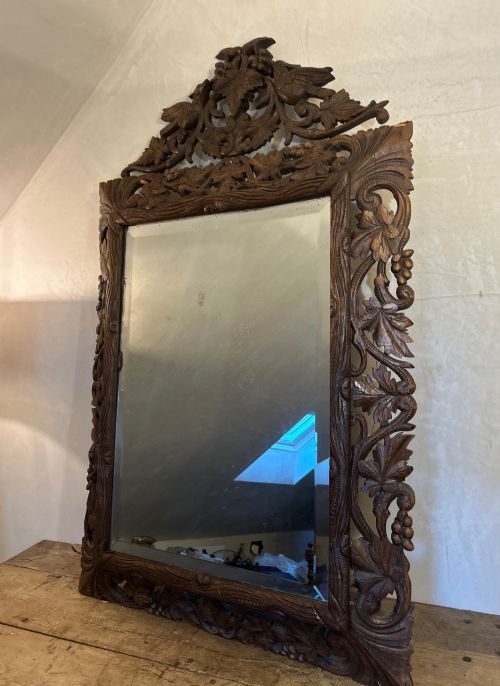
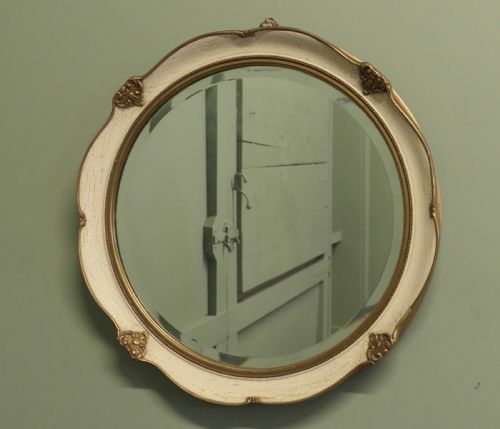
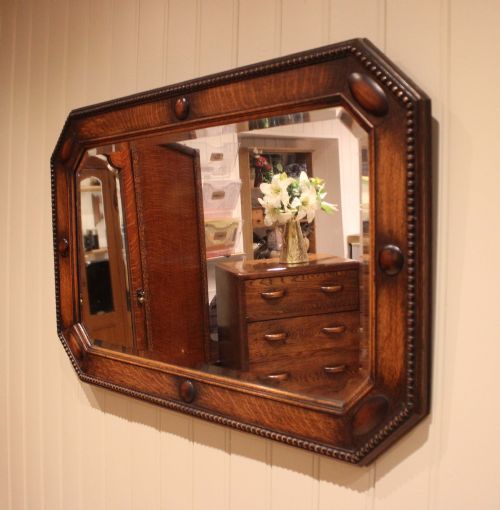
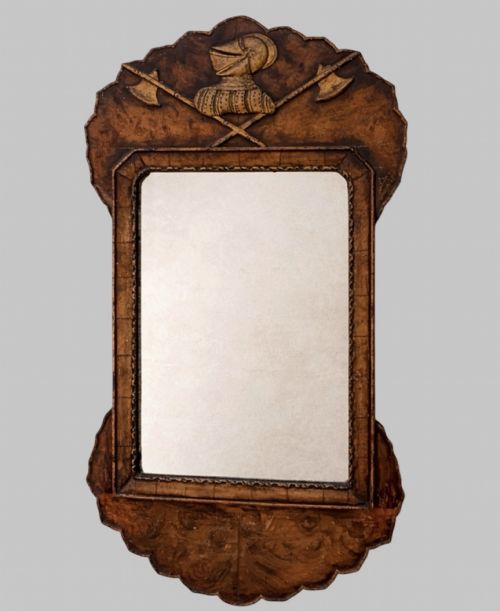
Frames employ timber foundations of oak, walnut, and mahogany, frequently enhanced with carved gesso, parcel gilt, or gold leaf. Artisans shaped these materials into ornate architectural mouldings, armorial crests, and geometric Art Deco silhouettes.
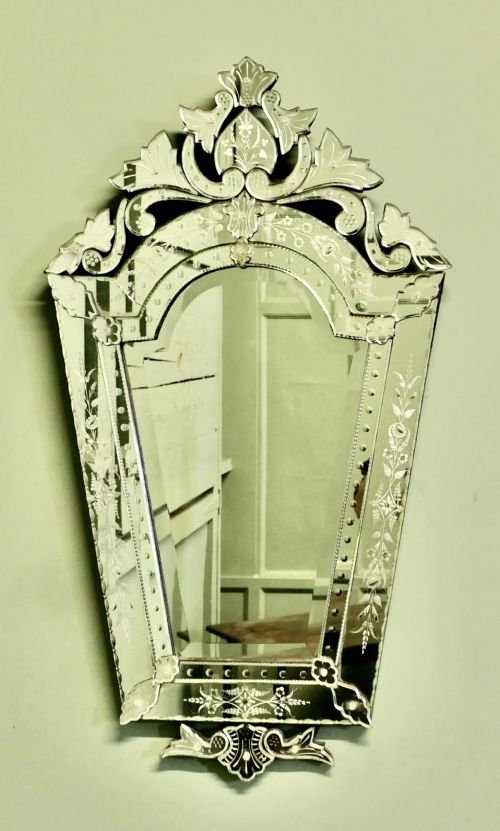
Cast iron and brass structures provide alternative metallic frames, while glass panels utilise silvering and bevelled edges to capture and refract interior light effectively.
Hallway Decorative Mirror Retail Price Guide 2026
Typical asking prices for hallway decorative mirror among the pieces listed under this phrase on Sellingantiques today, from the lower quarter to the upper quarter. They describe what is for sale here now, not the wider market.
What varies in quality
The distinction between standard and exceptional pieces rests in the depth of carving and the handling of surface finishes. Hand-applied gold leaf and intricate gesso relief display superior artisanal control compared to mass-produced pressed ornamentation.
The integrity of the mirror glass itself marks a clear division, where older silvered plates exhibit a deeper, warmer reflection and heavier bevels show careful manual grinding.
The Hallway Decorative Mirror Glossary
- Giltwood
- Wood that has been thinly coated with gold leaf or gold paint. This technique creates a luminous, reflective surface popular in classical and revival frames.
- Gesso
- A plaster-like material applied to wood and carved into relief details before gilding. It allows for intricate ornamentation on picture and mirror frames.
- Pier mirror
- A tall, narrow mirror designed to hang on the wall space between two windows. These pieces often sit above console tables in hallways and reception rooms.
- Overmantle mirror
- A wide mirror traditionally hung above a fireplace mantelpiece. Their generous proportions make them suitable for expansive entrance halls.
- Armorial crest
- A decorative sculptural element depicting a coat of arms or heraldic insignia. These are often carved at the top of antique frames to denote lineage.
Hallway Decorative Mirror: Frequently Asked Questions
How do I choose the right size?
Match the scale of the mirror to the available wall space and surrounding furniture in your entrance.
Larger overmantle styles suit wide hallway walls, while narrow pier mirrors fit restricted spaces between doors.
Where should I hang a hallway mirror?
Position the glass opposite a light source to maximise brightness in darker entrance corridors.
Ensure the centre of the glass sits at comfortable eye level for daily use.
How do I identify a Victorian mirror?
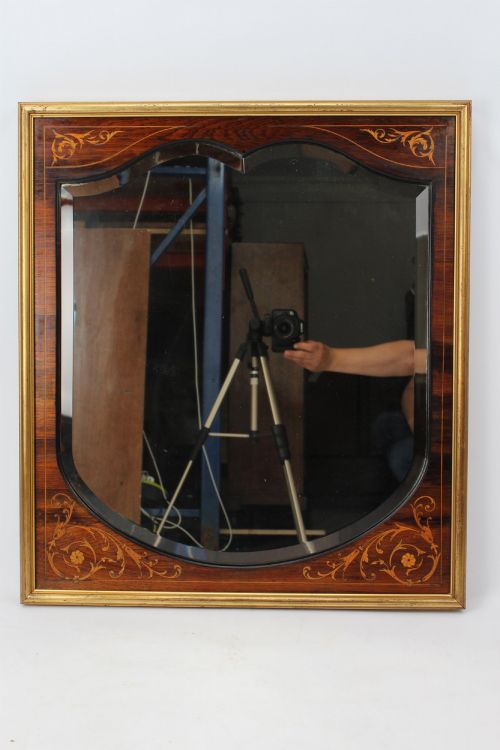
Look for dense timber frames in oak or walnut, often featuring deep carvings or rosewood veneers.
Many examples incorporate Revival motifs like Rococo scrolls or classical architectural elements.
Are Art Deco mirrors different?
Art Deco designs favour geometric shapes, clean lines, and contrasting materials like gilt and cream finishes.
They reflect the modernist shift away from heavy nineteenth-century ornamentation.