

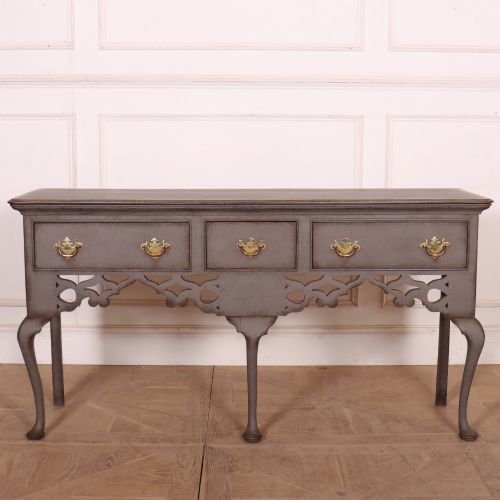
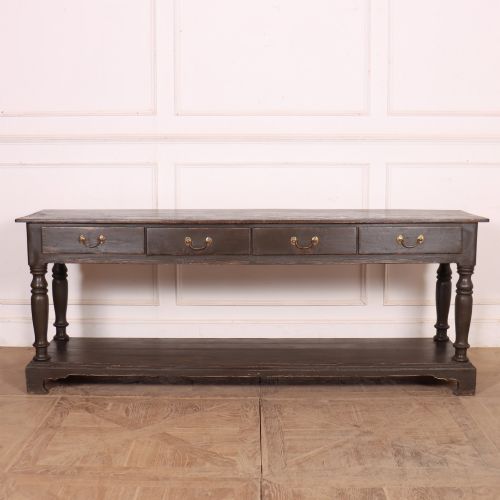
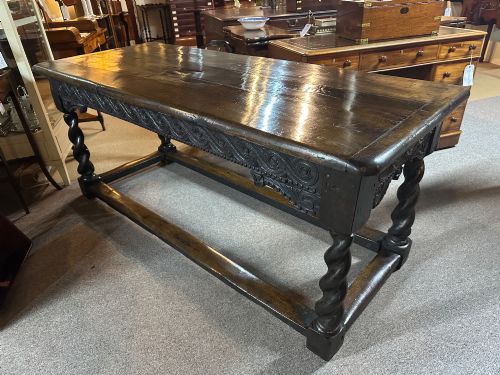
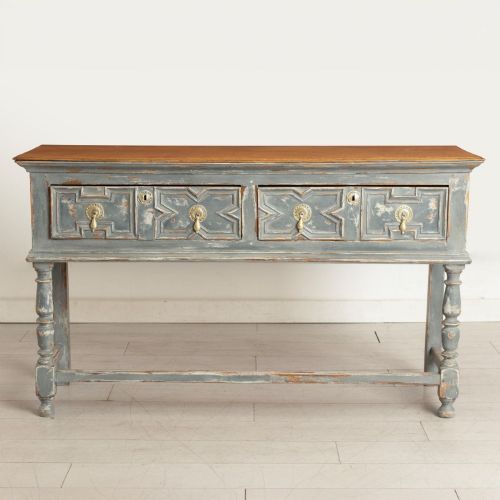
Hallway Console Table Base
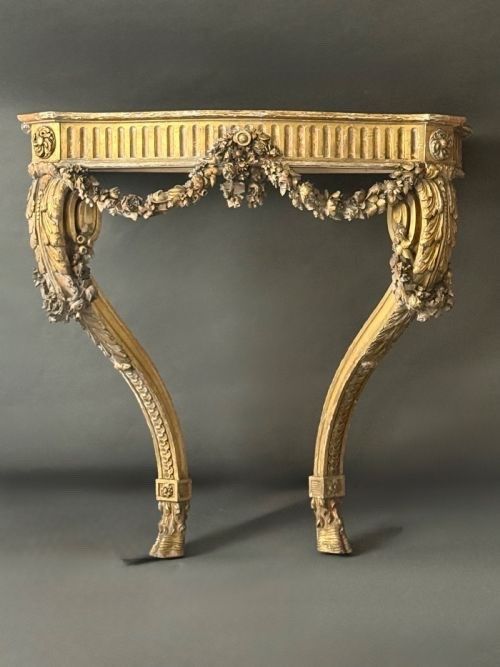
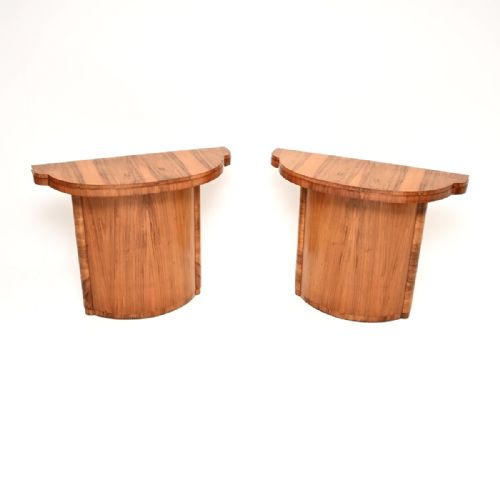
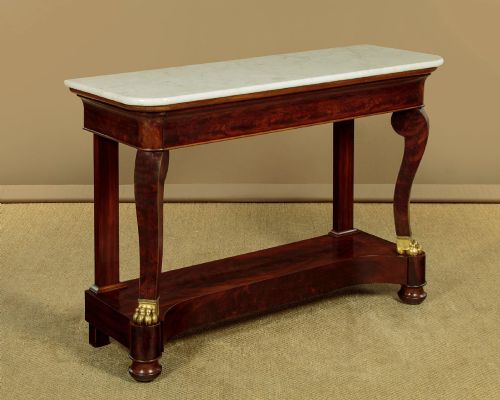
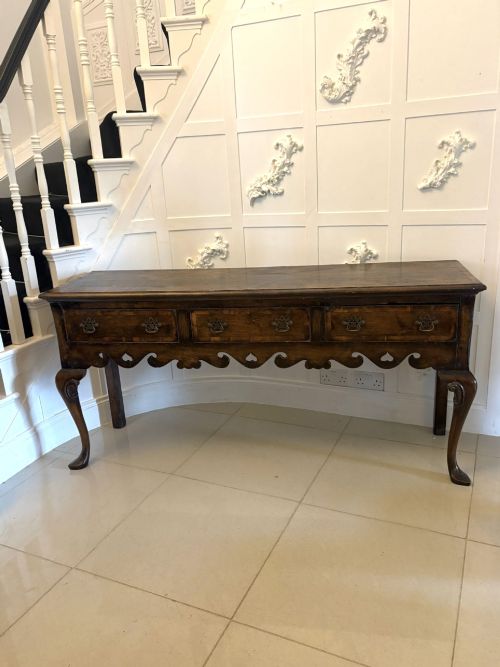
A hallway console table base supports an interior with architectural poise, offering structural character and surface space suited to a narrow entrance.
Hallway Console Table Base
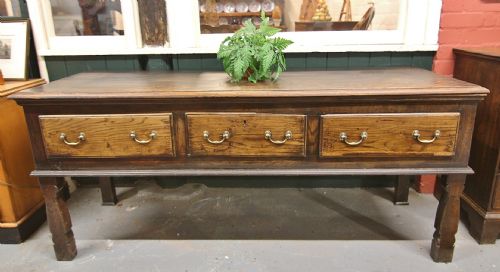
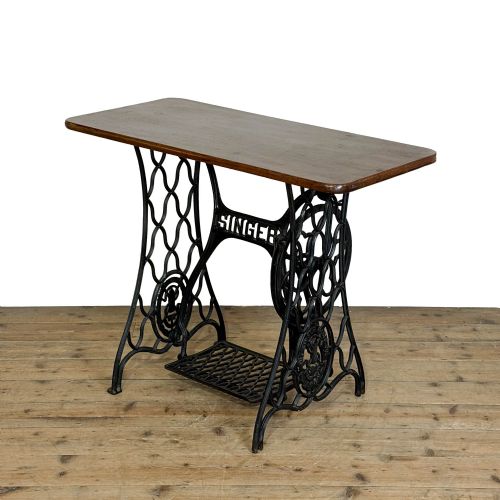
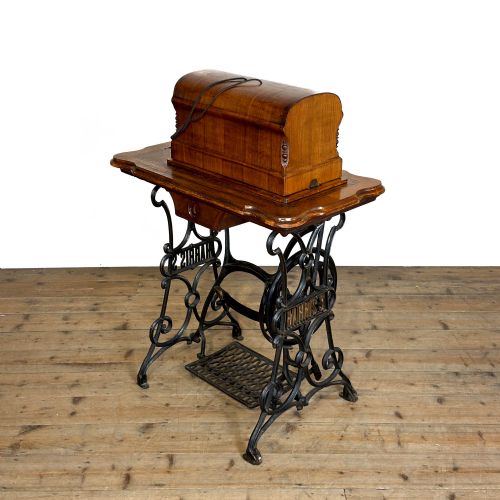
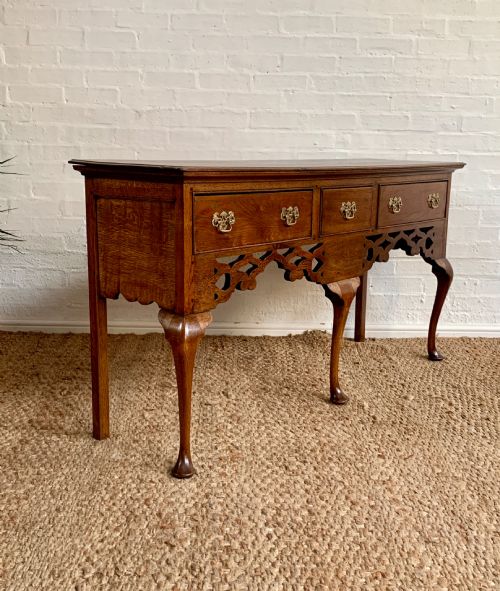
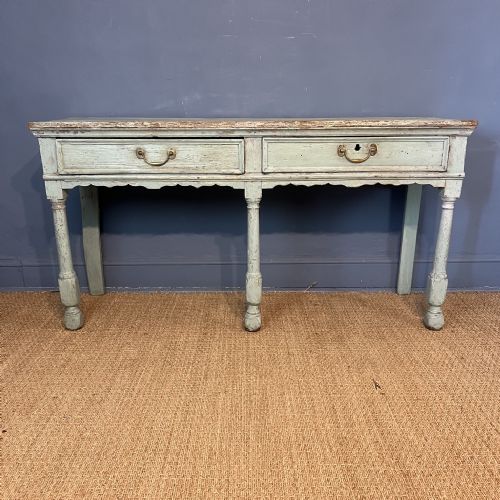
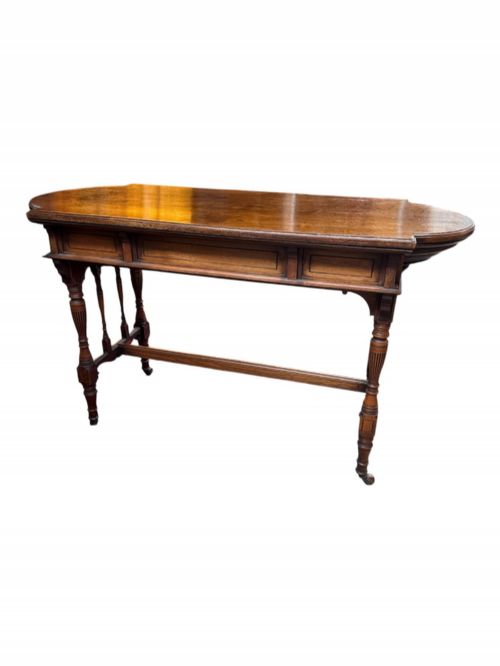
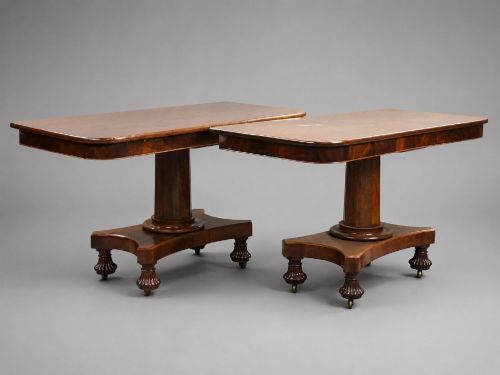
A hallway console table base encompasses robust timber frames, architectural supports, and adapted industrial machinery designed to stand flush against a passage wall. These pieces frequently derive from repurposed dresser bases, serving tables, and specialised machine stands dating from the eighteenth century through to the Art Deco era.
Buyers will encounter substantial oak and pine constructions alongside walnut and mahogany variations reflecting Georgian, Edwardian, and rustic farmhouse aesthetics. Many examples present open potboards or functional drawers, while others retain the cast iron integrity of utilitarian nineteenth-century mechanics.
Materials and construction
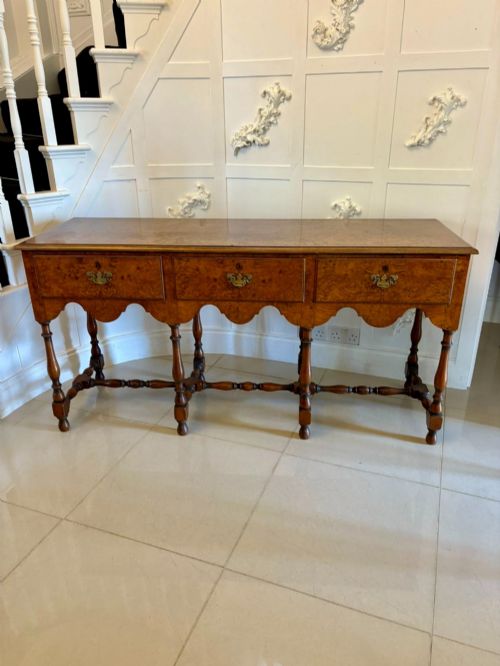
Cabinetmakers utilised native hardwoods such as oak, walnut, and mahogany, often combining solid timber framing with figured veneers like burr birch or satinwood. Joinery relied on traditional pegged or dovetailed joints designed to withstand daily service in domestic and institutional settings.
Industrial iterations integrated heavy cast iron frameworks paired with reclaimed pine tops, while painted pine and gilt wood finishes provided decorative versatility. Surfaces were frequently treated with traditional wax or paint applications that developed deep patination over centuries of use.
Hallway Console Table Base Retail Price Guide 2026
Typical asking prices for hallway console table base among the pieces listed under this phrase on Sellingantiques today, from the lower quarter to the upper quarter. They describe what is for sale here now, not the wider market.
Assessing quality and proportion
The distinction between standard utility pieces and finer examples rests upon the crispness of carved details, the choice of timber figure, and the preservation of original structural surfaces. Superior items demonstrate thoughtful integration of classical proportions, such as cabriole legs or blind silhouette work, without compromising the integrity of the base.
Material selection significantly influences overall character, where richly figured burr walnut or banded satinwood elevates a domestic server into a statement of refined craftsmanship. Conversely, honest utilitarian adaptations, such as cast iron machine bases paired with pine, derive their appeal from robust industrial utility.
Felix Alfred Ternisien·Singer Sewing Machine·Harris Sewing Machine
The Hallway Console Table Base Glossary
- Potboard
- An open lower shelf built into a dresser base or console for the display of heavy kitchen ceramics or storage.
- Cabriole leg
- A furniture leg that curves outward at the knee and tapers inward toward an ankle, common in Georgian and Edwardian designs.
- Dresser base
- The lower structural portion of a traditional kitchen or dining dresser, frequently utilised independently as a narrow sideboard or console.
- Refectory table
- A long, narrow dining or serving table historically used in communal halls, characterised by substantial stretcher-supported legs.
- Gilt wood
- Wood surfaces decorated with gold leaf or metallic paint, frequently seen on formal French console bases.
Hallway Console Table Base: Frequently Asked Questions
What is a hallway console table base?
A hallway console table base provides a sturdy, narrow foundation designed to stand against passage walls where floor space is limited. These items frequently originate from antique dresser bases, serving tables, and industrial machine frames.
They offer practical surface areas for correspondence and decorative objects while introducing distinct period character to entranceways.
How do I style a console base in a narrow hallway?
Position the piece flat against the wall to maintain a clear thoroughfare, allowing the timber grain or painted finish to anchor the entryway. Pair the surface with restrained decorative objects that complement the proportions of the base.
Ensure the depth of the frame matches the scale of the passage to preserve comfortable movement through the home.
How do I identify eighteenth century oak pieces?
Examine the timber for deep patination, hand-cut joinery, and natural grain variations indicative of early hand-tool work. Eighteenth-century examples often feature pegged tenons and dense, heavy oak construction without modern mechanical fasteners.
Inspect the undersides and drawer linings for irregular tool marks that confirm manual shaping by period cabinetmakers.
Can industrial machine bases work in traditional hallways?
Cast iron machinery bases paired with reclaimed pine tops introduce a utilitarian contrast that suits both contemporary and traditional interiors. The robust metal framework provides exceptional stability in high-traffic passage areas.
These hybrid forms bridge nineteenth-century industrial history with practical modern domestic utility.