



Hallway Coat Hangers
Hallway coat hangers organise entrance spaces with enduring craftsmanship, uniting brass, turned wood and ceramic into practical daily furniture.
Hallway Coat Hangers
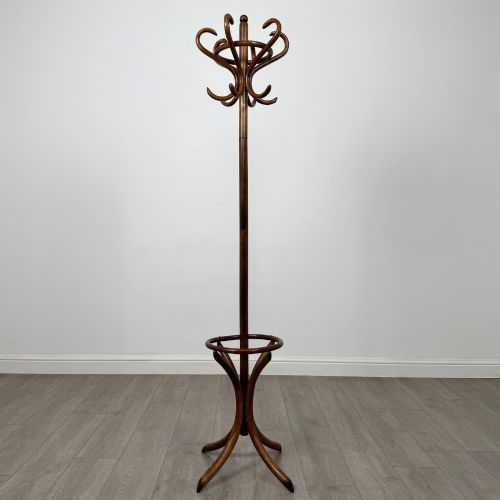
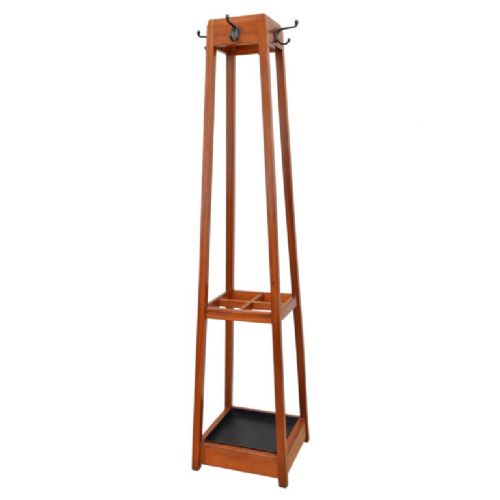
Hallway coat hangers encompass wall-mounted racks and freestanding stands designed to receive garments and hats in entrance spaces. Buyers searching for hallway coat hangers encounter sturdy wooden backboards fitted with metal hooks, alongside vertical bentwood stands.
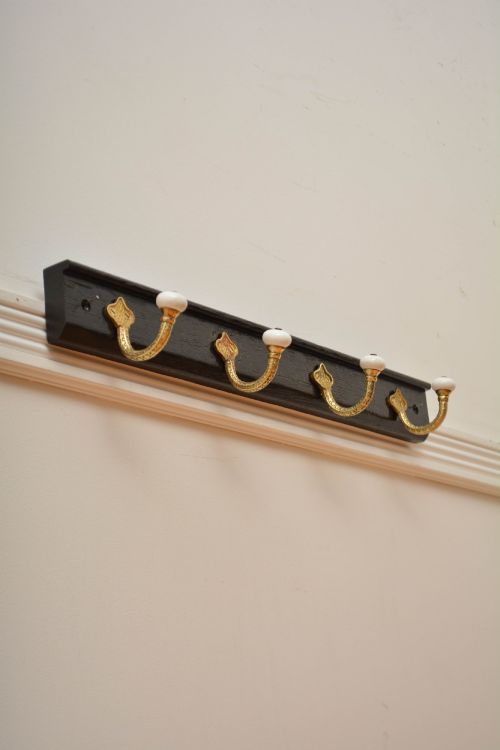
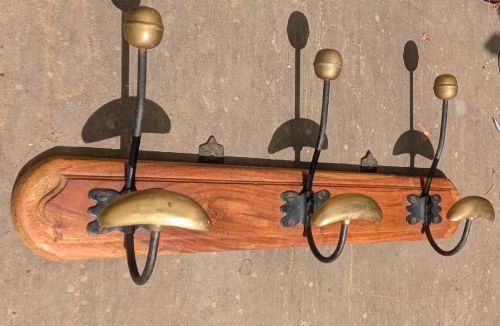
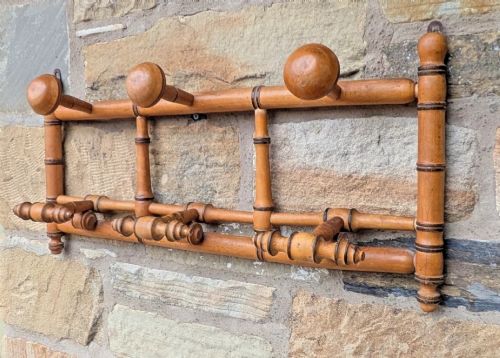
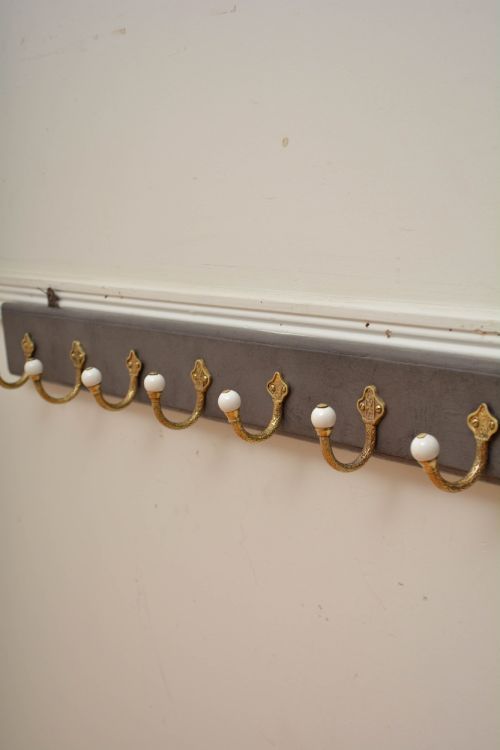
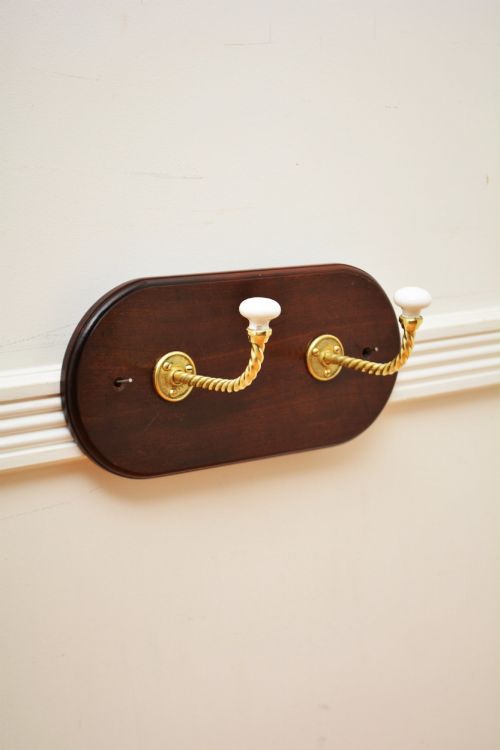
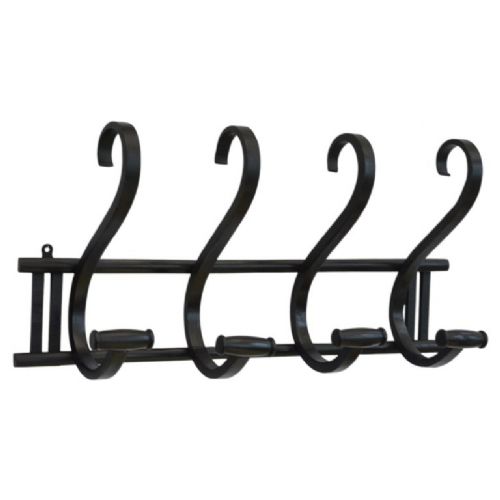
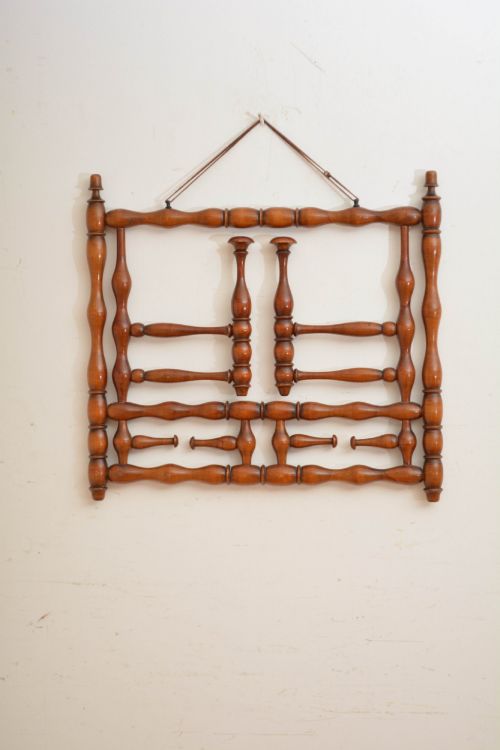
The selection ranges from Victorian oak and mahogany wall racks with ceramic-tipped hooks to Edwardian beech bentwood stands and French bronze or faux bamboo designs. Wall-mounted racks dominate the offerings, usually featuring multiple cast brass hooks affixed to timber panels.
Origins span British workshops of the nineteenth and early twentieth centuries alongside continental European pieces, particularly French styles including provincial and faux bamboo variations. Pieces typically date from the Victorian and Edwardian eras up to the nineteen-thirties.
Materials and Construction
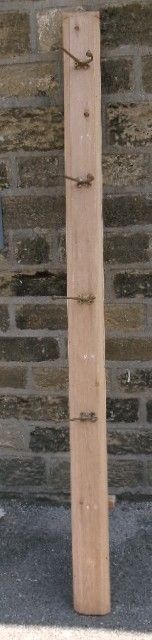
Makers utilised solid timbers such as oak, mahogany, beech, pine and ebonised wood to form the structural backboards and upright stands. These woods were frequently polished, turned or shaped to reflect prevailing tastes of the period.
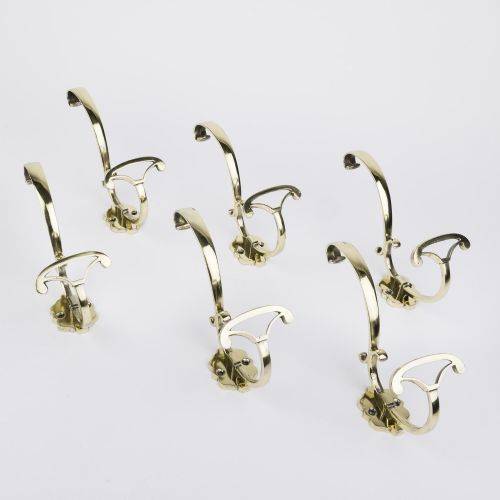
Metalwork forms an essential component, utilising cast brass, bronze and iron for hooks, mounting plates and hanging fixtures. Many hooks incorporate ceramic or porcelain knobs and finials to protect garments from snags.
Evaluating Quality
Quality rests upon the weight and casting detail of the metal hooks and the selection of solid timber for the backing boards. Finer examples display crisply chased brass, carefully integrated porcelain components and substantial mounting plates.
Construction methods distinguish standard items from superior pieces, particularly in the joinery of wooden frames and the security of fixed hooks. The harmony between materials, such as ebonised oak paired with decorative brass, defines the better examples.
The Hallway Coat Hangers Glossary
- Bentwood
- Wood steamed and bent into curved structural forms. This technique created lightweight yet resilient hallway stands, particularly popular in beech during the early twentieth century.
- Ebonised
- Timber treated with a dark stain or finish to resemble ebony. It created a formal, high-contrast background for polished brass and ceramic hooks on Victorian wall racks.
- Faux bamboo
- Wood carved, painted or shaped to imitate natural bamboo stalks. This decorative style appeared on French wall racks and coat hangers during the nineteenth and early twentieth centuries.
- Chased
- Metal decorated by hammering or engraving patterns directly into the surface. Fine hallway hooks often feature chased detailing on their brass mounting plates.
- Backboard
- The horizontal or vertical timber panel that supports the hooks on a wall-mounted rack. It distributes the weight of garments across the wall fixings.
Hallway Coat Hangers: Frequently Asked Questions
How do I mount a wooden coat rack?
Wall-mounted racks require sturdy fixings into wall studs or solid masonry to support the weight of heavy winter garments. Ensure the mounting plates align with secure anchor points.
Position the rack at a height accessible for daily use while leaving sufficient clearance beneath for longer coats and umbrellas.
What is bentwood furniture?
Bentwood is a technique where solid timber is steamed until pliable and then pressed into curved shapes using metal moulds. Beech was commonly utilised for this process.
This method produced sturdy, organic silhouettes for freestanding hallway stands without relying on traditional heavy joinery.
How do I clean brass and wood?
Clean wooden backboards using a soft cloth and beeswax polish to nourish the grain without stripping the historic finish. Avoid harsh chemical sprays on antique timber.
Polish brass and bronze components gently with a dry microfibre cloth to maintain their natural patina, avoiding abrasive metal cleaners.
Are these racks suitable for heavy coats?
Period wall racks mounted securely to solid walls handle heavy garments with ease, particularly those featuring robust cast brass or bronze hooks. Multi-hook boards distribute weight evenly across the timber backplate.
Freestanding beech stands balance weight across wide circular bases, though heavier items distribute best when placed lower down.