




French Wall Pegs
French antique wall pegs are sturdy domestic fixtures that bring genuine utility and character to an entryway.
French Wall Pegs
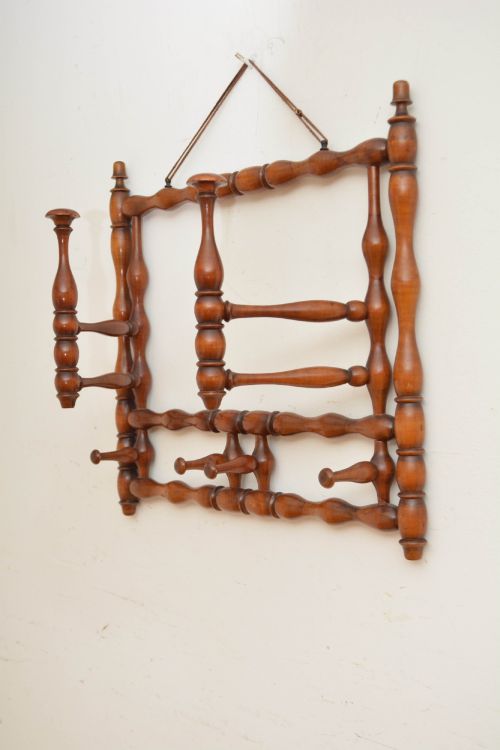
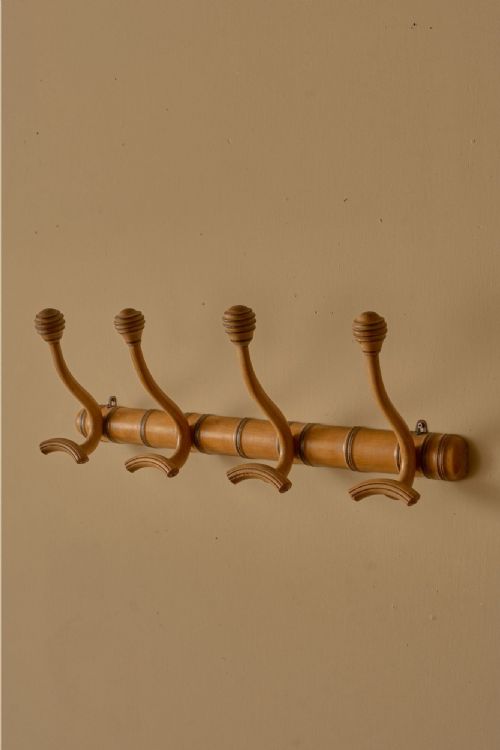
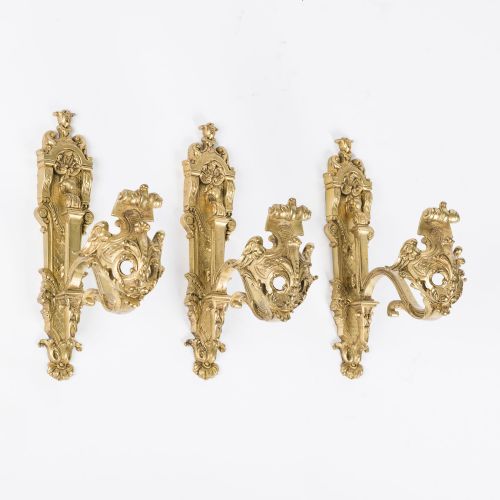
When you search for french antique wall pegs, you encounter practical hardware designed for hanging garments, hats, and coats in hallways and bedrooms. These pieces appear primarily as individual hooks, mounted pairs, matching sets of three, and full wall-mounted racks incorporating shelves and mirrors.
The objects spanning this selection originate from various periods including the nineteenth century, the 1880s, 1890s, 1900, 1920, and 1930. Stylistic influences visible across the inventory range from Victorian and French Rococo Revival to Art Deco and French Country.
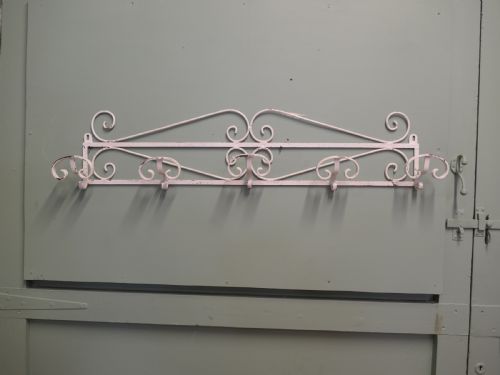
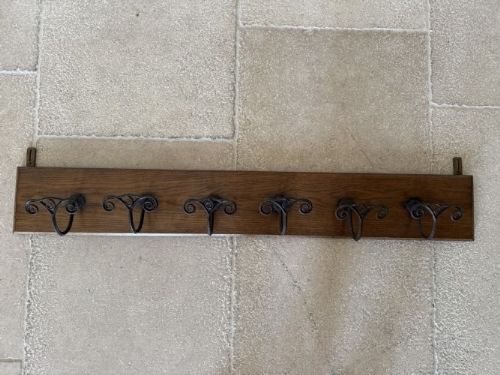
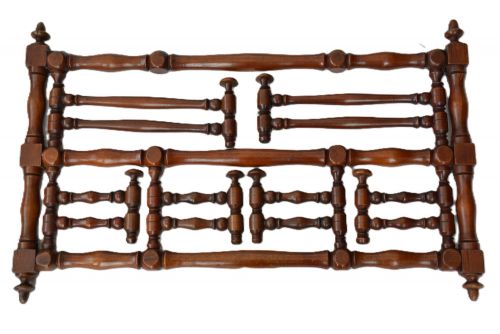
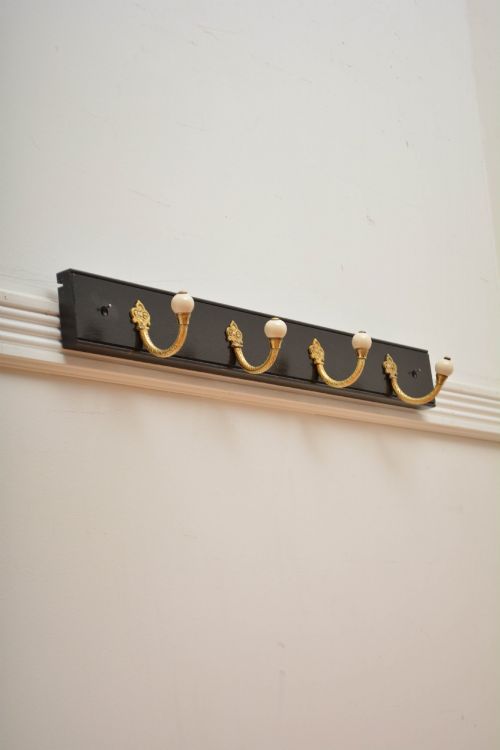
Buyers are most likely to meet brass and bronze variations, alongside designs fashioned from wrought iron, turned wood, ebonised wood, and oak. Some examples feature porcelain knobs, cut glass elements, or mounted horn to complete the functional design.
How they were made
The construction of these items relies heavily on cast metals and worked timber, utilising brass, bronze, and iron alongside oak and turned wood. Metal components often display chased detailing or cast mounting plates that secure the structure to the wall.
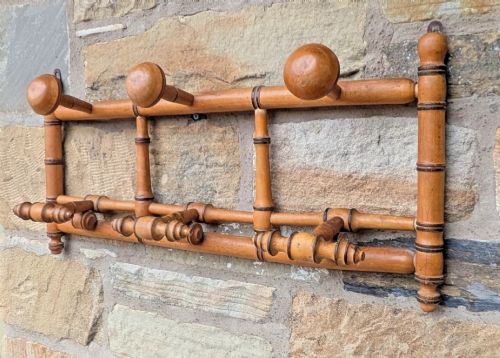
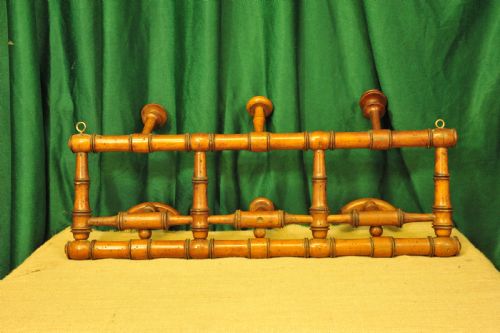
Makers employed specific shaping techniques, such as simulating bamboo in wood or ebonising timber to achieve distinct surface finishes. Ironwork from the later periods exhibits industrial forming methods suited to racks equipped with shelves and mirrors.
French Wall Pegs Retail Price Guide 2026
Typical asking prices for french wall pegs among the pieces listed under this phrase on Sellingantiques today, from the lower quarter to the upper quarter. They describe what is for sale here now, not the wider market.
The site listings span periods from the nineteenth century through to 1930, uniting brass, bronze, oak, and wrought iron in various functional formats.
What varies in quality
Quality differences emerge in the weight and substance of the materials utilised, separating substantial cast bronze or chunky brass hardware from lighter plated alternatives. The crispness of chased brass details and the integration of porcelain knobs or cut glass elements also set finer examples apart.
The complexity of the overall object dictates another tier of distinction, moving from simple paired hooks to elaborate wall racks featuring integrated mirrors, shelves, and multiple matched points of attachment.
The French Wall Pegs Glossary
- Ebonised wood
- Timber treated with a dark finish to imitate expensive ebony. This technique was frequently utilised on nineteenth-century coat racks.
- Chased brass
- Metal decorated with hand-tooled surface patterns and incisions. It adds textural detail to decorative hook plates.
- Faux bamboo
- Wood turned and carved to resemble natural bamboo stalks. This whimsical styling appeared widely on French hat and coat hangers.
- Wrought iron
- Iron heated and hammered into shape by a blacksmith. It provides the robust structure for Art Deco and industrial style wall racks.
- Hat tree
- A wall-mounted fixture featuring multiple tiers or extended arms for storing headwear alongside coats.
French Wall Pegs: Frequently Asked Questions
What rooms suit french antique wall pegs?
These fixtures fit naturally in entrance hallways, boot rooms, and bedrooms where garment storage is required.
They attach directly to wall surfaces to hold coats, hats, and everyday accessories efficiently.
How are wall racks mounted securely?
Most pieces feature pre-cast mounting plates with dedicated screw holes designed for stable attachment.
Heavier models incorporating shelves and mirrors require solid wall fixings to bear the weight safely.
How do Art Deco designs differ?
Art Deco pieces utilise wrought iron and industrial framing often combined with functional additions like integrated mirrors and shelves.
Earlier nineteenth-century examples tend to focus on chased brass, bronze, or simulated bamboo woodwork.