


Hallway Cane Storage
Hallway cane storage keeps umbrellas and walking sticks tidy, combining practical metal or wood frames with period character.
Hallway Cane Storage
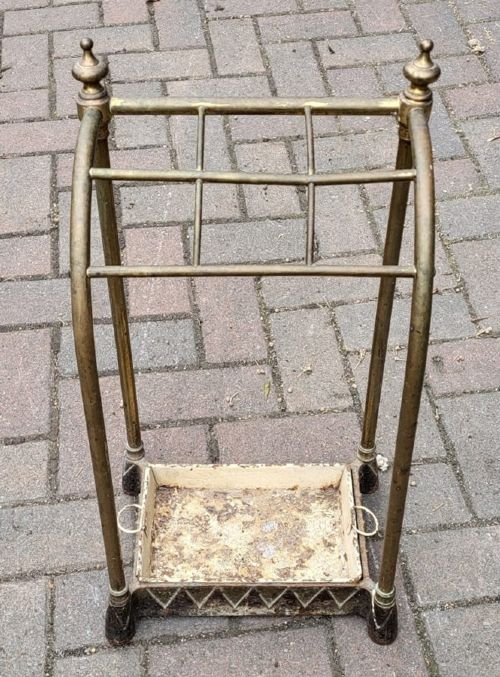
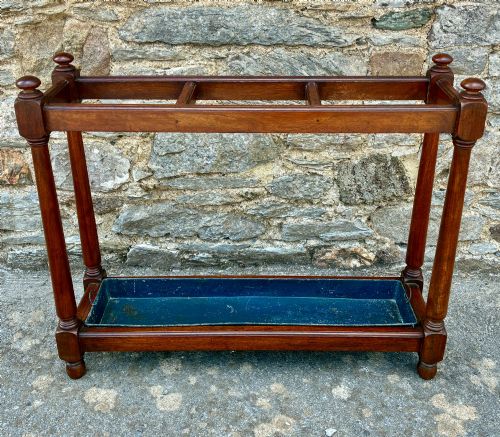
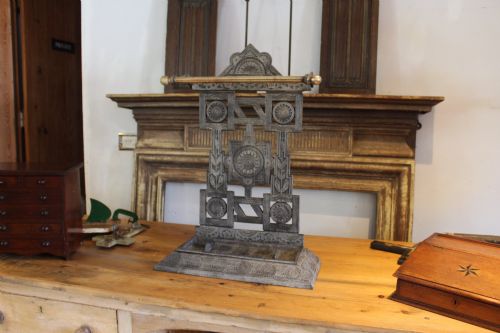
Hallway cane storage comprises umbrella stands, stick stands, and combined umbrella and stick stands designed to keep entryways orderly. The forms on this page span the Victorian and Edwardian periods, stretching from the late nineteenth century into the nineteen thirties.
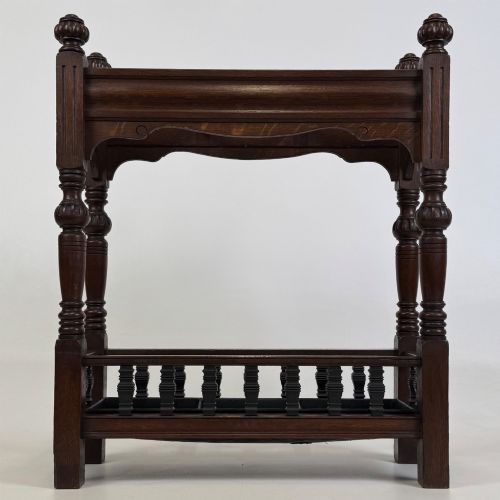
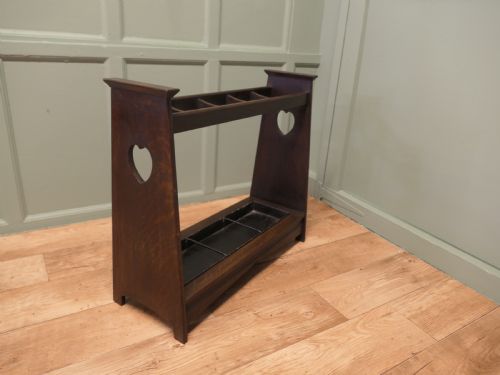
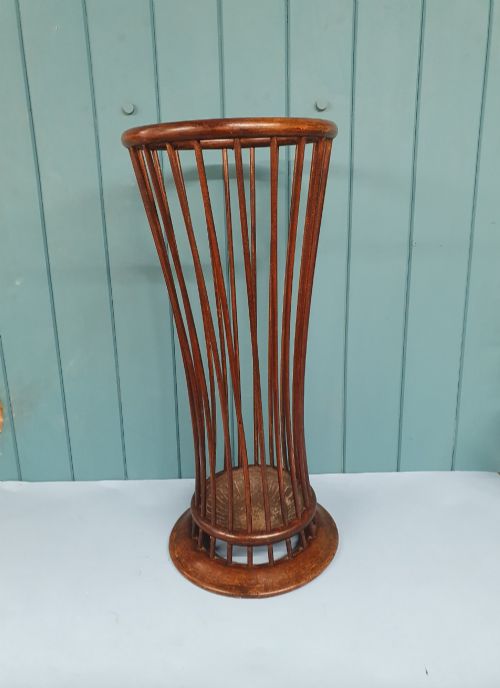
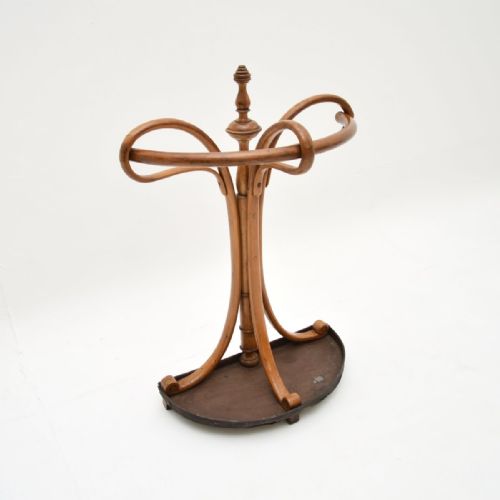
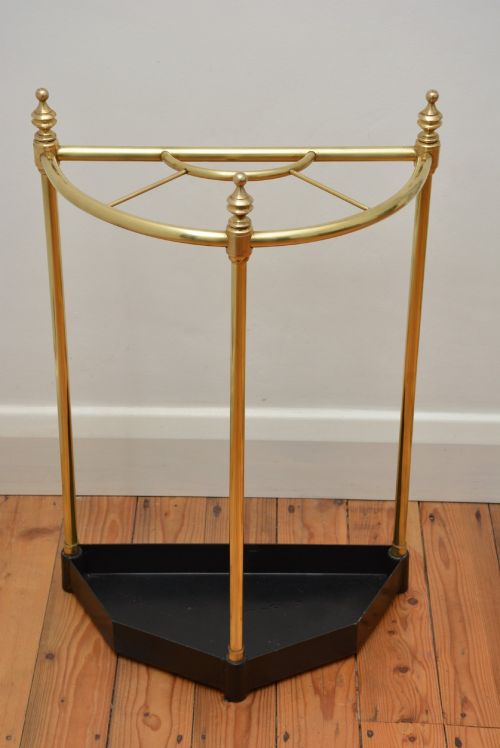
Buyers meet sturdy cast iron and brass frames alongside wooden examples fashioned from oak, mahogany, walnut, and bentwood. Styles range from plain English country house designs to ornate Arts and Crafts pieces and sleek Art Deco demi-lune shapes.
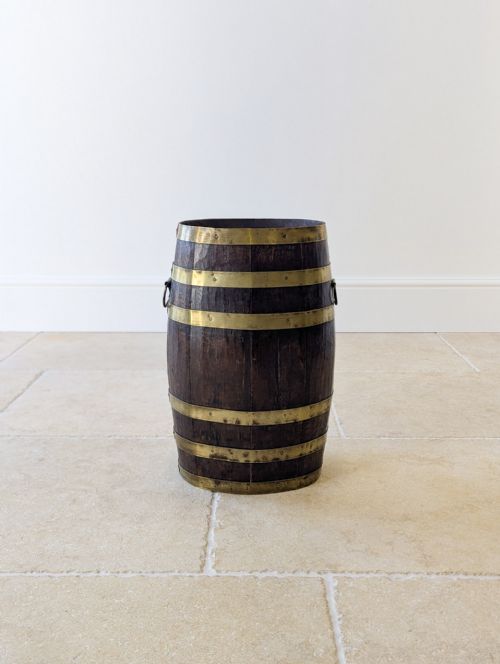
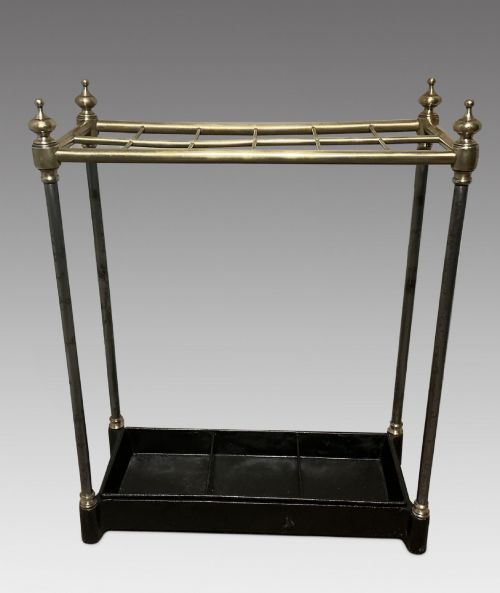
Most pieces serve a dual purpose as both umbrella holders and walking stick receptacles, often incorporating original metal drip trays to catch rainwater. The selection includes architectural cast iron bodies as well as coopered oak barrels bound in brass.
Materials and Construction
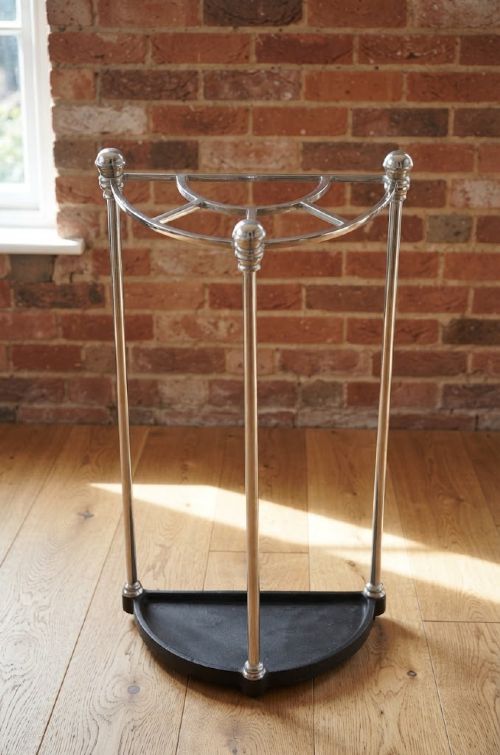
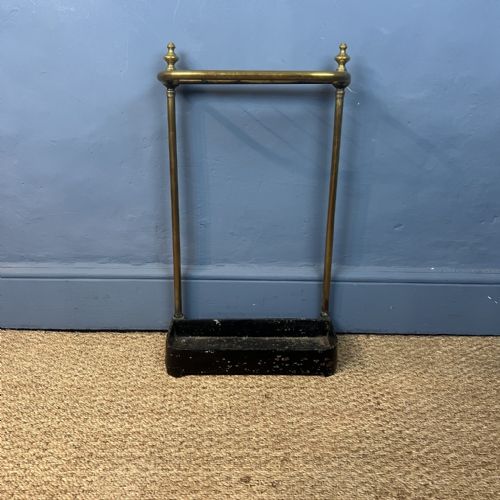
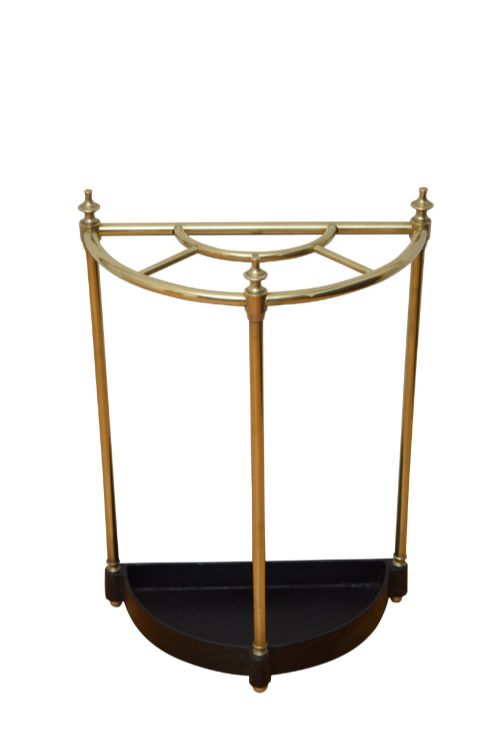
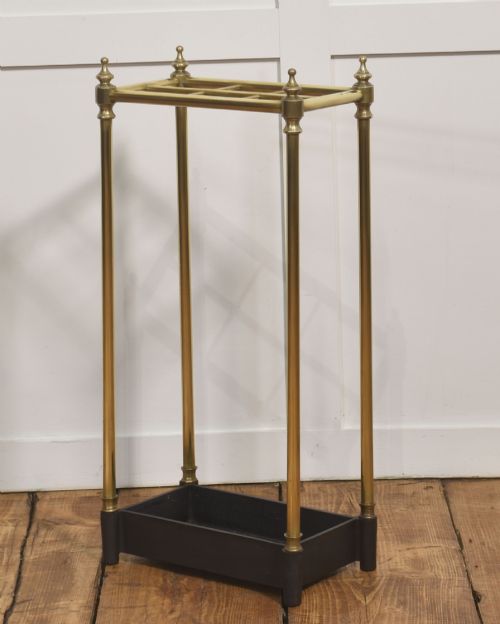
Cast iron and brass components provide structural integrity and weight, frequently combined in nineteenth century examples to create durable frames. Metal stands utilise foundry casting for intricate decorative patterns and sheet brass for half round demi-lune trays.
Wooden stands employ traditional joinery techniques, including coopered staves bound with brass hoops in barrel forms and steam bentwood construction for curved frames. Secondary materials such as copper, steel, and nickel plating appear alongside oak, mahogany, and walnut.
Makers integrated functional elements directly into the build, fitting removable metal drip trays at the base to protect wooden floors from moisture. Painted finishes, faux bamboo turnings, and ceramic inserts complete the varied manufacturing methods.
Craftsmanship and Distinction
Quality rests upon the integrity of the materials and the crispness of the casting or joinery. Heavy cast iron frames with deep relief detail and well secured brass mounts sit at the upper end of the scale.
The presence of original fittings, particularly matching metal drip trays and secure division rings, elevates a piece significantly. Coopered wooden barrels show quality through tight stave construction and uncompromised metal binding hoops.
Thomas Jeckyll·Thonet·A. Kenrick & Sons·Coalbrookdale
The Hallway Cane Storage Glossary
- Demi-lune
- A half moon shape. This profile allows the stand to sit flush against a hallway wall while holding multiple items.
- Coopered
- Built from wooden staves joined edge to edge and bound with metal hoops. This technique mirrors traditional barrel making.
- Bentwood
- Wood softened by steam and bent into curved shapes. This method creates lightweight yet resilient frames.
- Drip tray
- A shallow metal basin placed at the base of the stand. It catches water running off wet umbrellas.
Hallway Cane Storage: Frequently Asked Questions
How do I choose the right size?
Measure your available hallway floor space, keeping the shape of the stand in mind. Demi-lune designs hug the wall closely, whereas cylindrical barrels require more clearance.
Consider how many umbrellas and walking sticks you intend to store daily. Divided metal frames keep items separated, while open barrels accommodate larger bundles.
Are these stands suitable for daily use?
These historical pieces were built for active domestic service and function well today. The inclusion of original metal drip trays ensures modern wet umbrellas will not damage the frame or floor.
Routine care involves emptying the base tray periodically and wiping down metal or wooden surfaces. Treat wooden finishes gently to preserve their aged patina.
How do I date a cast iron stand?
Victorian and nineteenth century cast iron stands often feature registry marks, maker names, or heavier, more ornate decorative casting. Arts and Crafts and Art Deco examples from later decades display cleaner lines and simpler geometric divisions.
Examine the bolt fixings and the wear patterns on the base feet. Older pieces show authentic patination and casting techniques specific to nineteenth century foundries.
What is a coopered umbrella stand?
A coopered stand is constructed like a miniature barrel using vertical wooden staves held together by metal bands. This technique was frequently utilised in country house oak pieces.
The barrel construction provides exceptional natural strength and stability for heavy walking sticks and golf umbrellas.