

Oak Hall Stick Rack
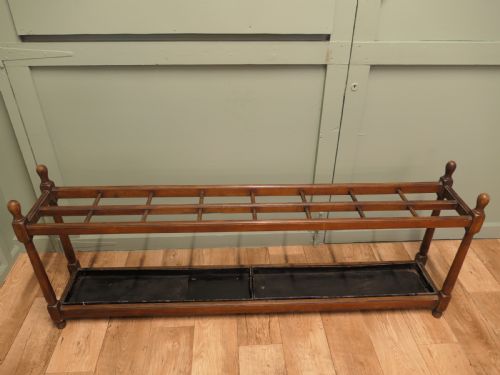
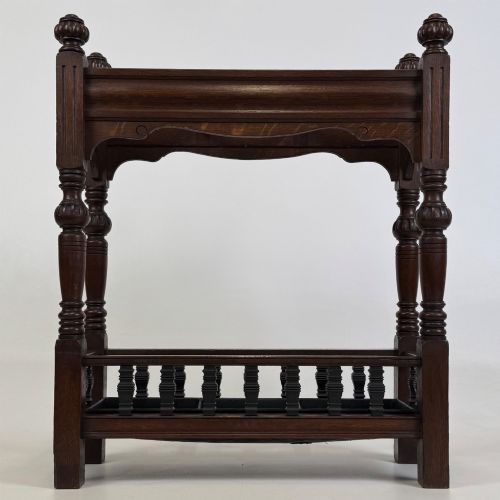
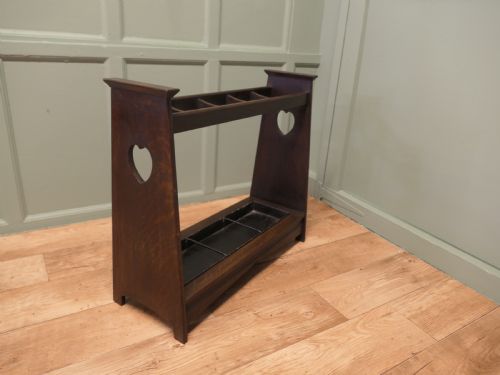
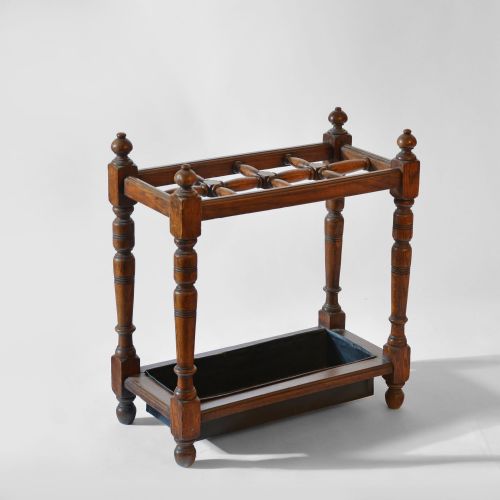
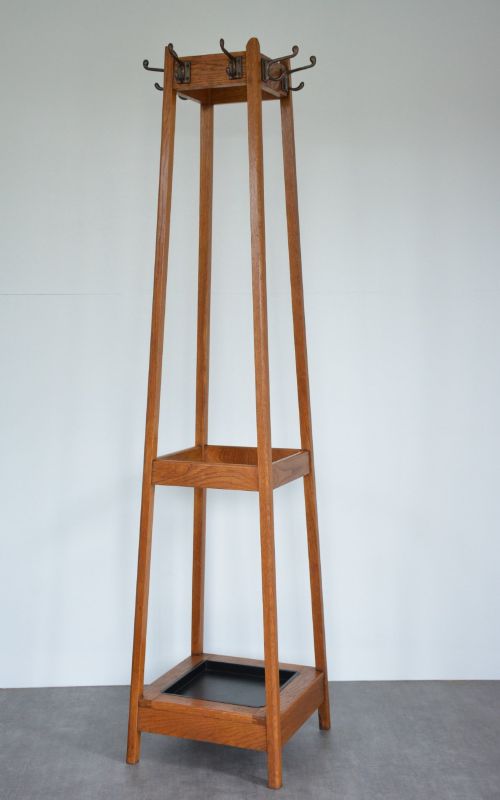
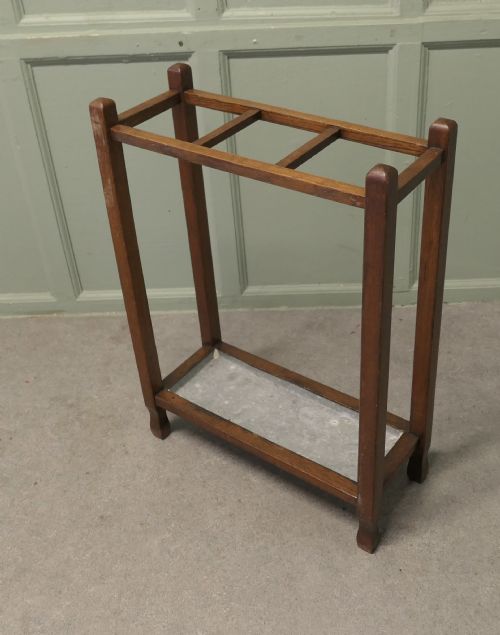
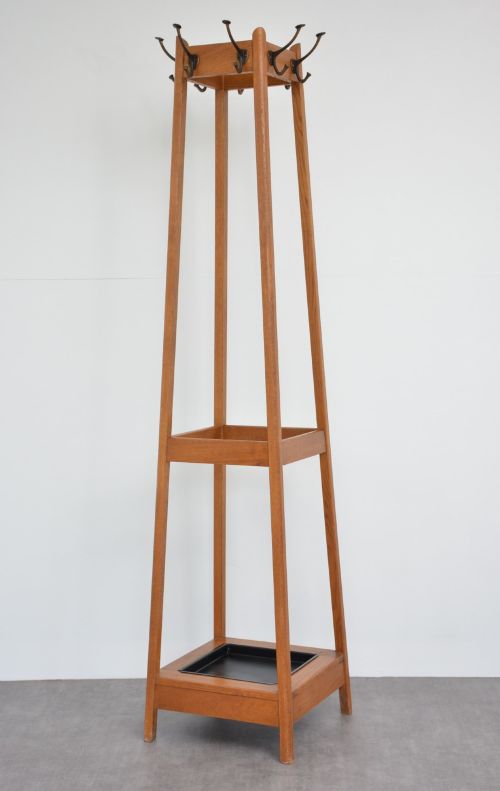
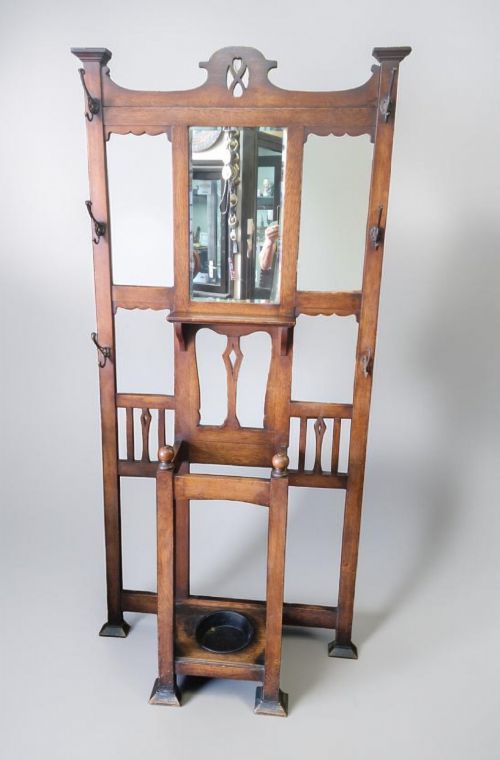
These oak hall stick racks organise wet walking sticks and umbrellas in entrance halls with solid timber and metal hardware.
Oak Hall Stick Rack
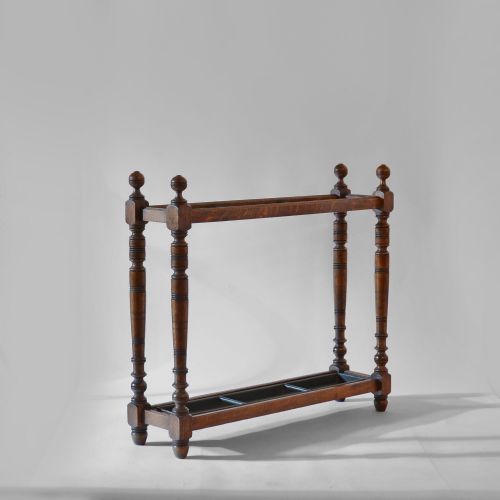
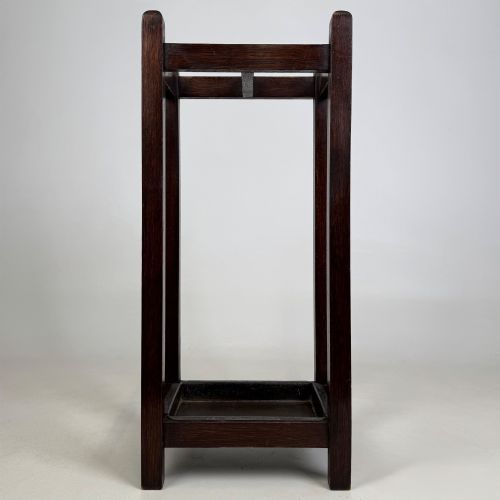
An oak hall stick rack stands in an entrance hall to hold walking sticks, canes and umbrellas. Buyers seeking this phrase encounter pieces spanning the nineteenth and twentieth centuries, including Edwardian and Victorian examples.
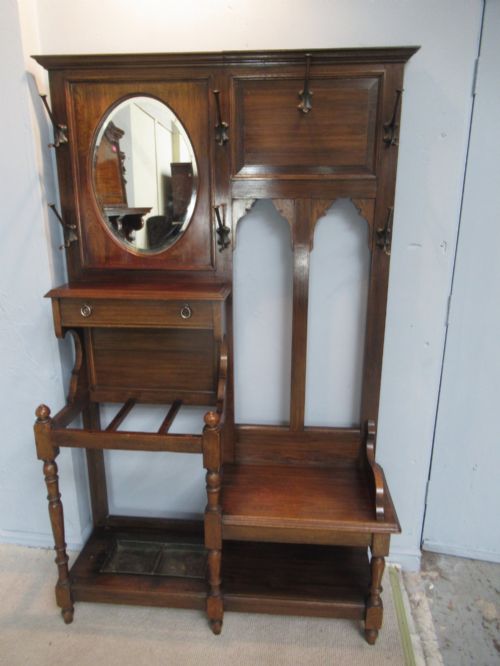
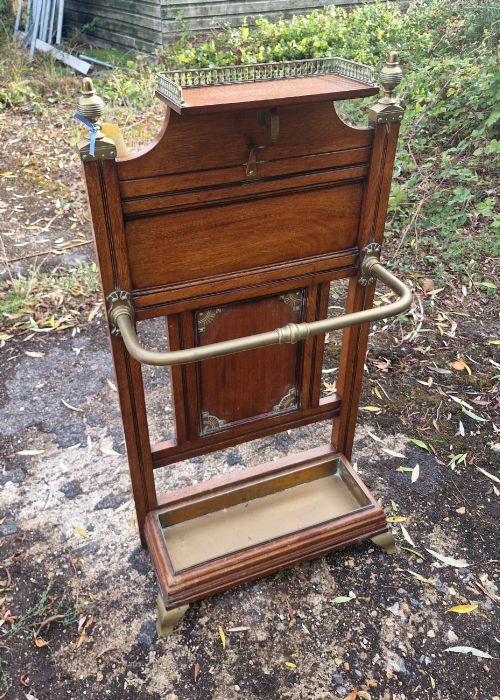
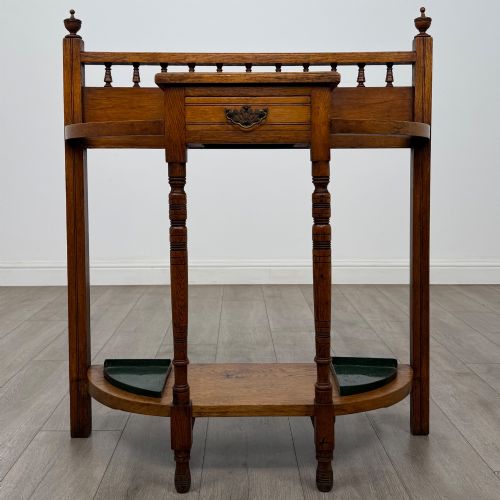
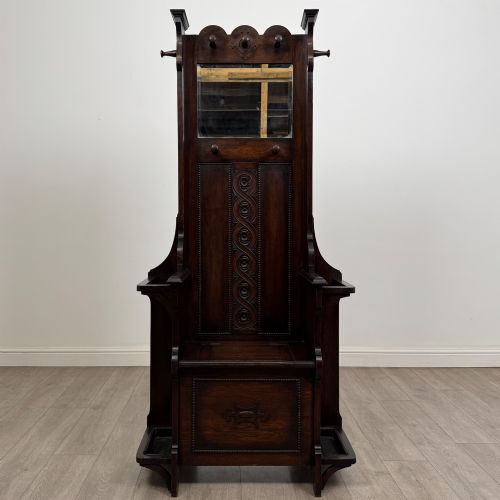
The forms vary from dedicated umbrella and stick stands to larger hall stands combining hat and coat hooks with integrated umbrella holders and drip trays. Many pieces incorporate specific stylistic movements such as Arts and Crafts, Gothic Revival, and Aesthetic Movement designs.
Country house proportions and more modest domestic versions appear across the selection. The most frequent meetings involve Edwardian and Victorian oak pieces constructed for daily household use.
How They Were Made
Carpenters utilised solid oak, both standard and golden tones, joined with traditional framing techniques to withstand daily weight and moisture. Coopered staves appear in cylindrical barrel-form stick stands.
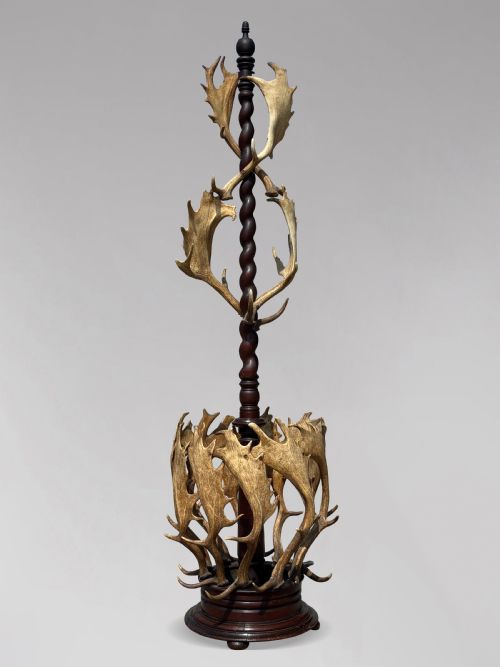
Metal components such as brass, cast iron, zinc, and iron form integrated drip trays, rails, and coat hooks to manage wet items. Glass mirrors and carved details, including Green Man motifs and animal horns, frequently complete the construction.
Several stands incorporate cow horns and carved wooden bears to supervise your wet umbrellas.
What Varies in Quality
Design ambition separates standard domestic items from exhibition-grade production. Pieces bearing recognisable workshop attribution or distinctive carving, such as Black Forest bear figures or complex Gothic tracery, represent the upper tier.
The integration of materials determines the finish of a piece. Robust heavy timber framing combined with original fitted metal drip trays and substantial hardware indicates superior manufacture.
J Parker of Woodstock·Heals of London·GW Evans London
The Oak Hall Stick Rack Glossary
- Drip tray
- A metal base insert designed to catch water running off wet umbrellas and walking sticks. These trays are commonly fabricated from brass, zinc, or iron.
- Coopered
- Constructed from curved wooden staves bound together with hoops, similar to barrel-making. This technique shapes round umbrella buckets.
- Demi lune
- A half-moon or semicircular shape designed to sit flush against a hallway wall. Such pieces save floor space in narrow corridors.
- Greenman
- A sculptural architectural ornament depicting a human face entwined with foliage and vines. Carved examples appear frequently on nineteenth-century oak hall furniture.
Oak Hall Stick Rack: Frequently Asked Questions
Where should an oak stick rack go?
These pieces belong in an entrance hall or reception room where coats and walking gear are removed. They sit against a wall to catch daily foot traffic.
Position the rack near the main door for convenience, ensuring metal drip trays remain accessible for emptying and cleaning.
How do I care for oak hall furniture?
Maintain the timber by keeping it away from direct heat sources and sudden temperature shifts. Regular dusting preserves the surface grain.
Dry metal drip trays periodically to prevent moisture damage to the base timber where umbrellas rest.
Did these racks hold coats as well?
Many examples combine stick holders with hat and coat hooks in a single frame. These multi-functional pieces served as complete hallway furniture.
Standalone versions focus exclusively on umbrellas and walking canes, while combined hall stands incorporate mirrors and storage compartments.
What styles are common in these stands?
Victorian and Edwardian versions dominate, often reflecting Arts and Crafts, Gothic Revival, or Aesthetic Movement design principles. Oak is the primary structural wood.
Carved details range from simple geometric mouldings to elaborate animal motifs and figural work depending on the period and origin.