

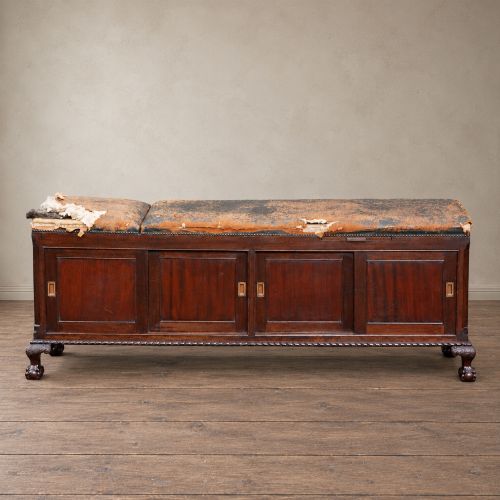
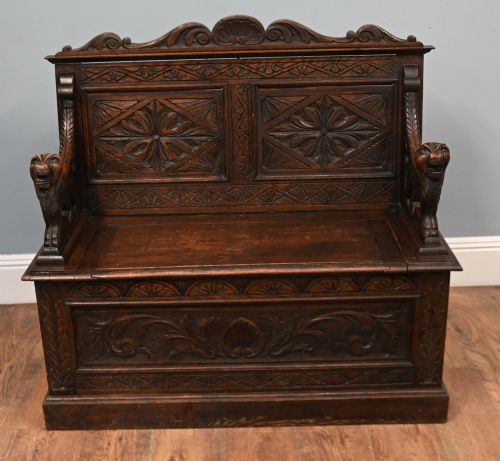



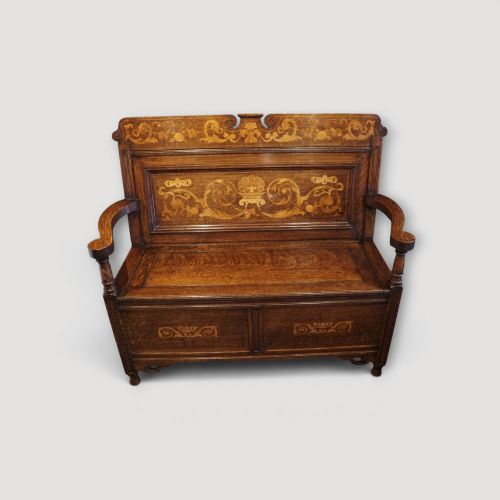
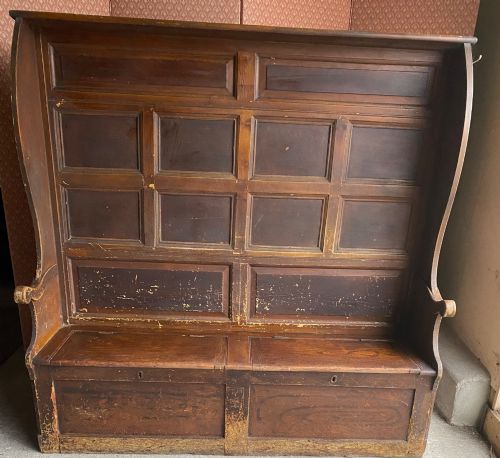

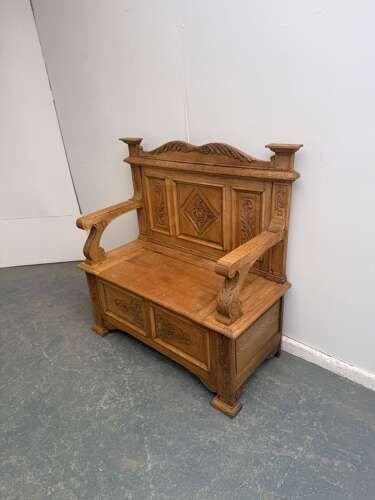
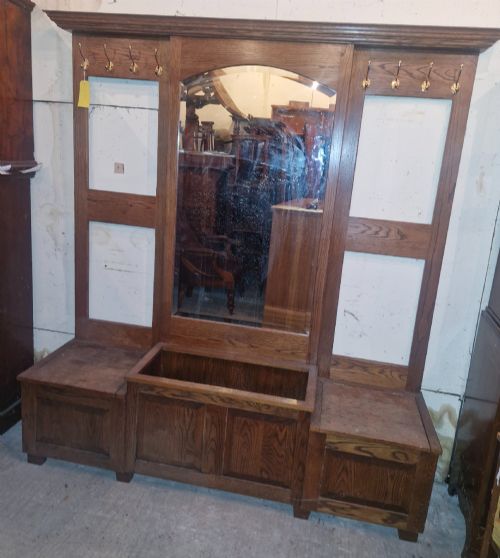
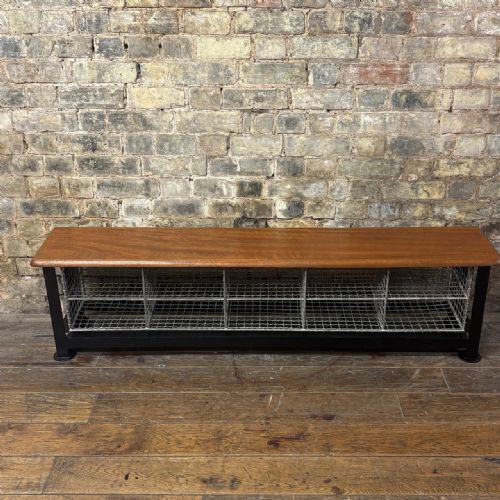
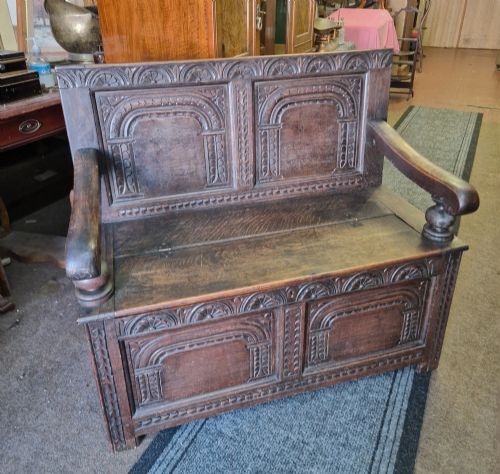
Hallway Bench with Storage
A hallway bench with storage offers practical seating combined with concealed space for boots and coats.
Hallway Bench with Storage
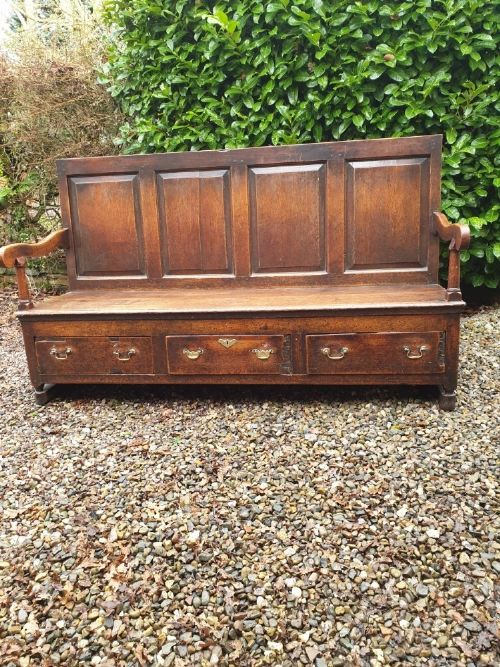
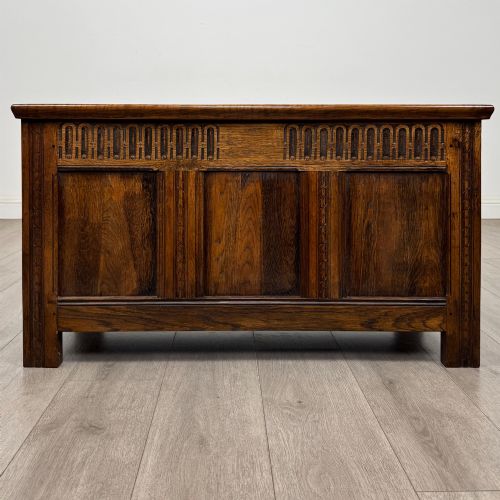
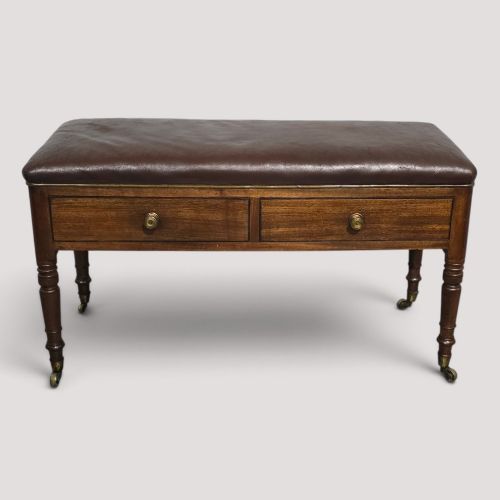
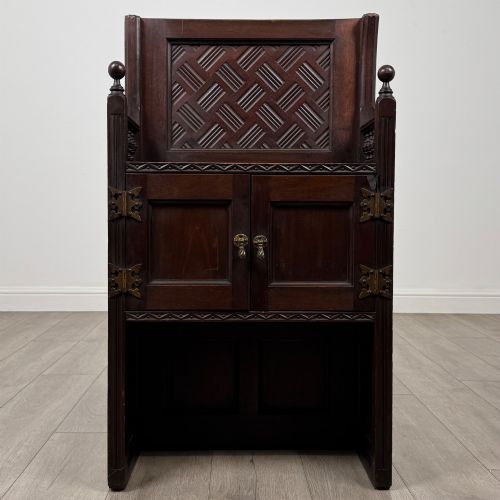
A hallway bench with storage provides a designated place to sit while managing outdoor wear upon entering a home. The pieces found here span centuries of British and continental domestic design, ranging from compact seats to multi-functional stands.
Most examples rely on traditional forms such as the box settle, monk's bench, or hall seat. Oak and pine dominate the selection, appearing alongside iron, brass, and leatherette details across periods from the seventeenth century through to the mid-twentieth century.
Buyers frequently encounter variants that include lift-up lids, fold-over tops, or integrated coat hooks. Styles stretch from rustic farmhouse and Jacobean revival to Victorian country and Art Nouveau.
Materials and construction
Solid hardwoods like oak and elm form the foundation of earlier pieces, joined using traditional woodworking methods designed to withstand heavy daily use. Pine appears frequently in regional country furniture, often finished with wax or paint.
Metal elements such as iron and brass provide structural reinforcement and functional hardware, including hinges, hooks, and shoe storage compartments. Upholstery materials like fabric and leatherette occasionally line the seating areas of later Edwardian and twentieth-century designs.
Hallway Bench with Storage Retail Price Guide 2026
Typical asking prices for hallway bench with storage among the pieces listed under this phrase on Sellingantiques today, from the lower quarter to the upper quarter. They describe what is for sale here now, not the wider market.
Listings feature items spanning from the 17th century through to the 1960s, constructed predominantly in oak and pine.
Assessing quality
The distinction between standard domestic utility pieces and finer examples rests on the depth of carving, the selection of timber, and the integrity of the original construction. Carved oak items from the seventeenth and nineteenth centuries often display intricate detailing such as Green Man motifs or panel work.
Proportion and scale also dictate distinction, with smaller, portable hallway seats or large multifunctional stands requiring careful balance. Original surfaces, whether waxed pine or polished golden oak, carry more weight than later alterations or heavy restorations.
The Hallway Bench with Storage Glossary
- Box settle
- A high-backed wooden bench featuring a hinged seat that opens to reveal storage space underneath. This form kept draughts away from the occupant in older hallways.
- Monk's bench
- A convertible piece of furniture with a pivoting back that folds down to transform the seat into a table. These versatile items served multiple functions in smaller domestic spaces.
- Hall stand
- A combined item of hallway furniture incorporating a seat, coat hooks, a mirror, and umbrella stands. They organise an entryway within a single vertical structure.
- Mule chest
- A large storage chest featuring one or more drawers at the base beneath the primary compartment. They bridge the gap between traditional coffers and modern drawer units.
Hallway Bench with Storage: Frequently Asked Questions
Where should I place a hallway bench?
Position the bench near the primary entrance of the home to provide a convenient seat for removing footwear. Ensure sufficient clearance for doors, drawers, and lift-up storage lids to operate without obstruction.
Allow enough surrounding space for coats hanging from integrated hooks or nearby wall fixtures. This maintains clear walkways in busy domestic entryways.
How do I care for wooden hall furniture?
Maintain waxed or polished wooden surfaces by applying appropriate natural beeswax periodically to nourish the grain. Avoid placing antique timber in direct sunlight or beside heat sources to prevent warping.
Clean dust from carvings and crevices using a soft, dry cloth rather than harsh chemical sprays. Moisture should be wiped away immediately to protect the historic finish.
How do I identify the period of an oak bench?
Examine the construction methods, tool marks, and fastener types visible on the underside and interior of the piece. Hand-cut joints and pegged tenons generally point towards earlier craftsmanship.
Compare the decorative motifs, such as Jacobean revival carving or Art Nouveau lines, with established design eras. Timber patination and wear patterns also offer clues regarding age.