


Hallmarked Silver Topped Bottle
A hallmarked silver topped bottle is a refined vanity or dressing table accessory, combining precious metal with glass to hold scent or liquor.
Hallmarked Silver Topped Bottle
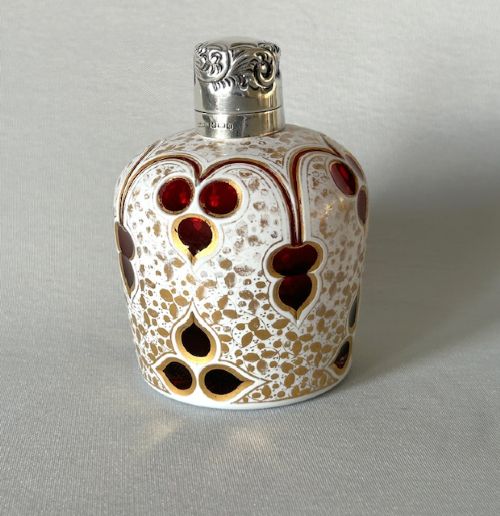
When you search for a hallmarked silver topped bottle, you encounter a selection of vanity accessories, dressing table items, and desk vessels from the nineteenth and early twentieth centuries. The pieces span Victorian, Edwardian, and Art Deco periods, encompassing distinct forms such as scent bottles, perfume bottles, decanters, dressing boxes, and inkstands.
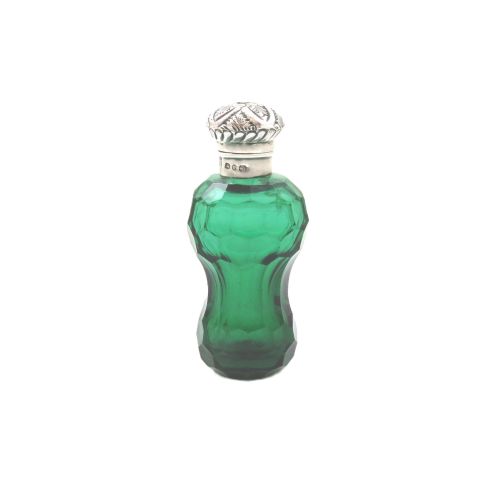
The version you are most likely to meet on this page is a cut glass or green glass vessel fitted with a sterling silver lid bearing British hallmarks. These practical items served dressing tables, pocket use, and writing desks, surviving in various forms from scent flasks to miniature champagne bottles.
Originating predominantly from English workshops, these objects demonstrate the domestic luxury crafts of the eighteen-eighties through to the nineteen-twenties. They unite utilitarian glass containers with hallmarked precious metal mounts.
How they were made
The construction relies upon the combination of heavy moulded or cut glass with worked sterling silver mounts and lids. Glass bodies include clear cut crystal, green glass, and Bohemian glass, occasionally enhanced with gold leaf or overlaid with tortoiseshell.
Silversmiths formed the protective caps and collars from sterling silver, impressing them with official hallmarks to denote standard, assay office, and date. Certain specialised examples integrate detailed enamel work into the silver components.
Listings here span the Victorian, Edwardian, and Art Deco periods, utilising materials such as sterling silver, cut glass, tortoiseshell, and enamel.
What varies in quality
The standard of glass cutting and the clarity of the material set individual examples apart, alongside the weight and gauge of the sterling silver used for the mount. Finer specimens display deep, crisp facets in the glass and substantial silver lids that retain their original shape and closure.
The inclusion of decorative techniques such as hand-applied enamel or tortoiseshell panels elevates the craftsmanship of particular pieces. Additionally, clear and complete hallmarks add historical precision to the manufacturing quality.
Hukin & Heath
The Hallmarked Silver Topped Bottle Glossary
- Hallmark
- An official stamp applied to precious metals indicating purity, origin maker, and assay year. These marks provide reliable dating for the silver lids.
- Sterling silver
- A silver alloy containing ninety-two point five percent pure silver by mass. This material forms the primary metal for the bottle caps and collars.
- Cut glass
- Glass decorated by grinding facets or patterns into the surface using a wheel. It creates the brilliant sparkle seen on Victorian perfume vessels.
- Tortoiseshell
- The outer shell of certain turtle species used historically as an overlay on luxury items. It appears combined with silver on dressing table pieces.
Hallmarked Silver Topped Bottle: Frequently Asked Questions
What were hallmarked silver topped bottles used for?
These vessels held personal scents, perfumes, or colognes on dressing tables and inside travel dressing cases. Smaller versions functioned as pocket flasks or miniature liquor containers.
Desk-bound variants acted as inkstands or components of larger writing suites, keeping fluids secure under protective metal lids.
How do I date a silver topped bottle?
Dating relies upon reading the official hallmarks stamped into the sterling silver lid or collar. These assay marks reveal the specific year of testing and the town office.
Stylistic indicators such as heavy glass cutting, period monograms, and manufacturing forms further help narrow down the production era.
Are these bottles safe for daily use?
Most pieces survive in a condition suitable for holding modern perfumes or oils, provided the glass interior remains intact. The silver caps generally maintain their original threading or hinges.
Gentle handling protects delicate elements like enamel or tortoiseshell from unnecessary wear during regular placement on vanity surfaces.
How should I clean the silver and glass?
Polishing the metal components requires a soft cloth and a gentle silver cleaner, keeping substances away from any glass or enamel surfaces. Warm soapy water cleans the glass interior safely.
Harsh chemical immersion damages historic tortoiseshell or applied gold leaf, so spot cleaning remains the preferred method.