
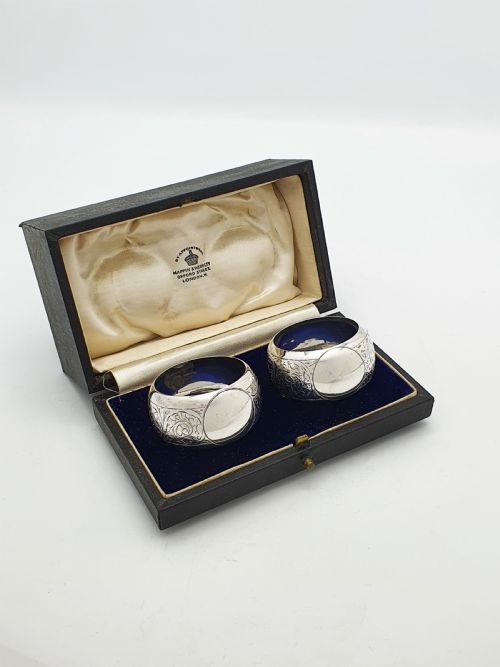


Hallmarked Silver Napkin Holders
Hallmarked silver napkin holders are table accessories forged from sterling and continental silver, offering period elegance and practical refinement for dining tables.
Hallmarked Silver Napkin Holders
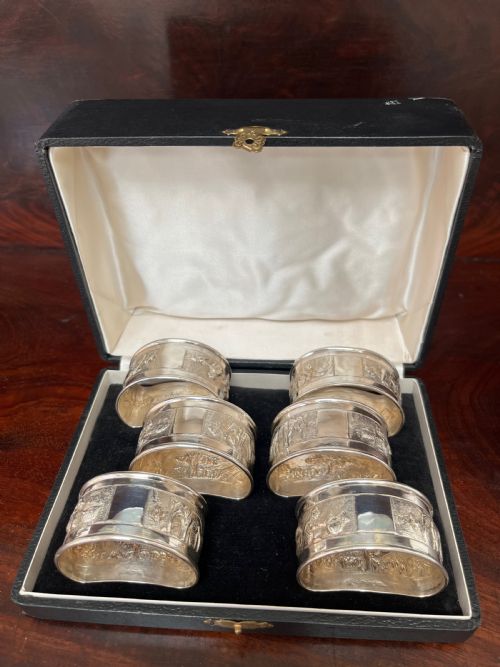
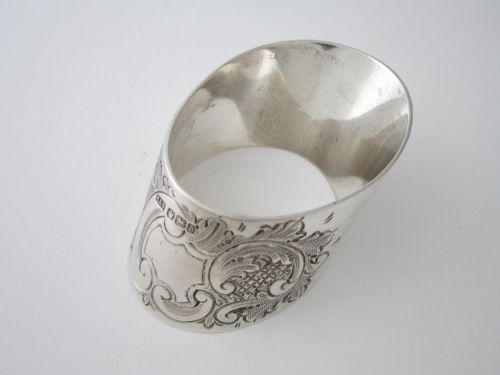
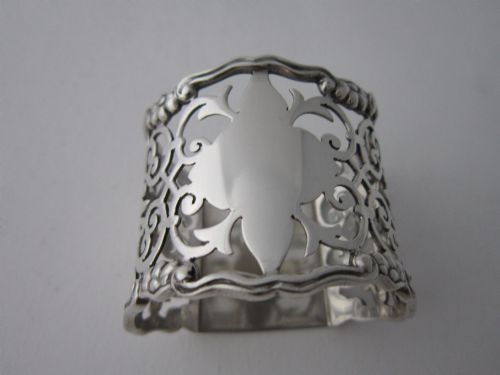
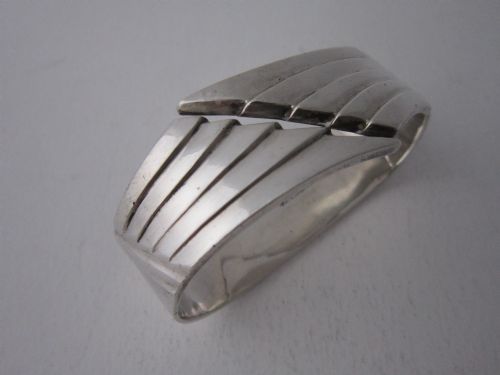
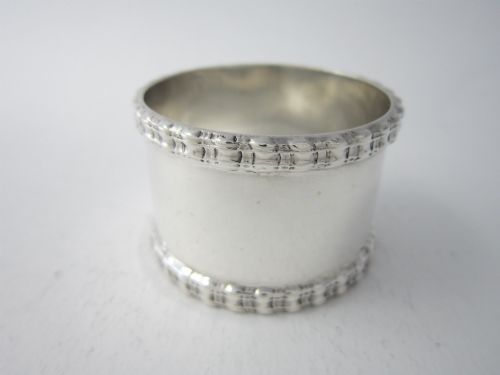
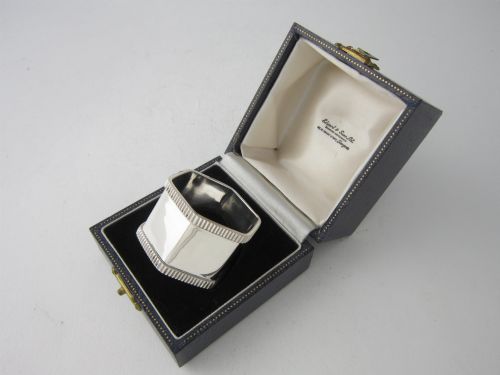
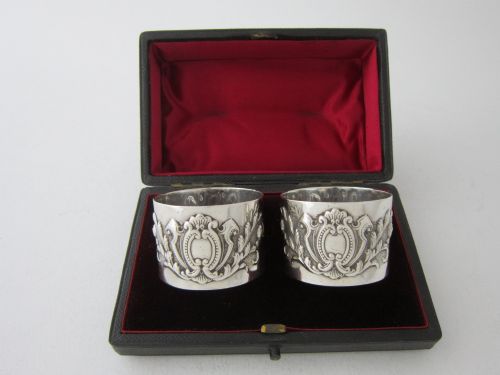
Hallmarked silver napkin holders appear primarily as individual napkin rings, pairs, or matched sets of six, frequently housed in fitted presentation cases lined with silk, velvet, or leatherette. These domestic items span the Victorian, Edwardian, and George V periods, alongside Art Deco, Neoclassical Revival, and Mid-Century Modern designs.
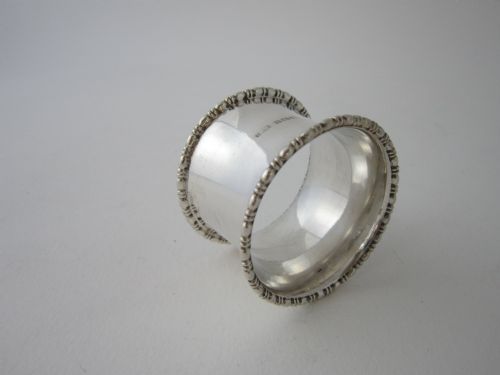
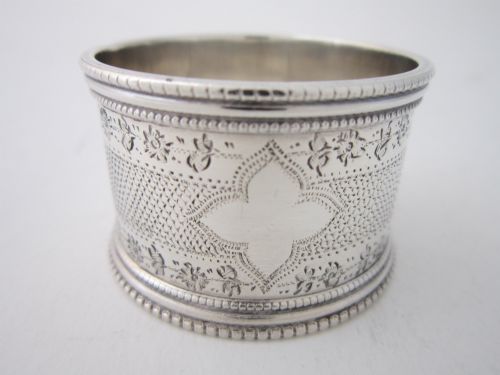
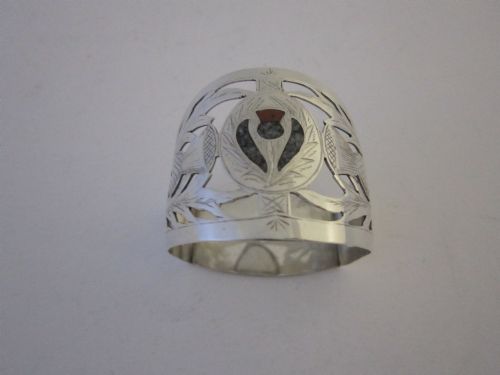
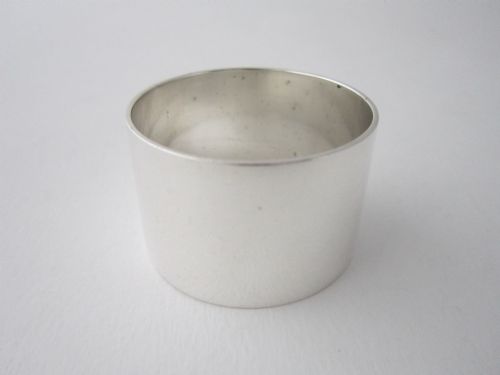
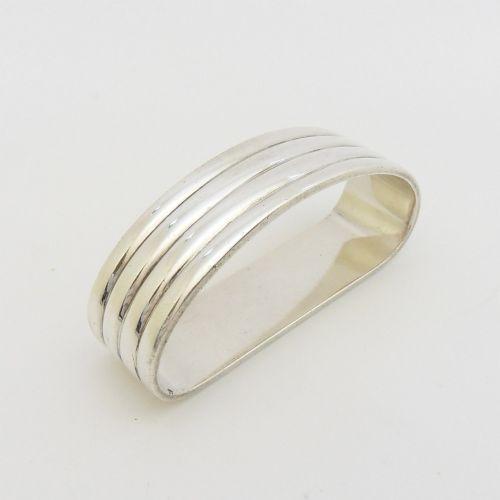
Buyers exploring this selection encounter single heavy pieces bearing clear hallmarks, cased presentation sets from Birmingham, Chester, London, and Sheffield, and occasional continental European examples such as German 800 silver items. Forms range from plain polished bands to heavy specimens and pieces inset with agate or enamel.
Beyond standard rings, the selection occasionally encompasses broader table settings, including boxed christening sets containing matching silverware.
What Varies in Quality
Quality rests on the heaviness of the silver gauge, the crispness of the official hallmarks stamped into the metal, and the preservation of any supplementary materials such as agate inserts or enamel work. Single heavy specimens and matched sets retain stronger collector interest than lighter, unmarked equivalents.
The presence of original fitted cases lined in silk, velvet, or leatherette elevates the status of a set, particularly when maker marks from notable workshops remain sharp and legible.
A speedy charioteer races across an imported German 800 silver napkin ring, bringing ancient Roman horsepower directly to the dining table.
R. E. Stone·Georg Jensen·C.T. Burrows & Sons·Tiffany & Co·Henry Wilkinson
The Hallmarked Silver Napkin Holders Glossary
- Hallmark
- An official stamp applied to silver items indicating metal purity, assay office, and date of manufacture. These small stamped symbols allow collectors to trace the exact origin of each piece.
- Sterling Silver
- A silver alloy containing 92.5 percent pure silver and 7.5 percent other metals, usually copper, for durability. This standard grade forms the material base for the vast majority of British table wares.
- 800 Silver
- A continental European silver standard containing 80 percent pure silver. This alloy appears on imported pieces bearing foreign hallmarks.
- Agate
- A decorative chalcedony quartz variety sometimes inset into metalwork for colour and contrast. Silversmiths utilised polished stones to embellish ring surfaces during the early twentieth century.
- Christening Set
- A matched collection of silverware traditionally gifted to a newborn child. These boxed sets occasionally accompany napkin rings in domestic silver selections.
Hallmarked Silver Napkin Holders: Frequently Asked Questions
What periods do these pieces date from?
The selection spans from the late nineteenth-century Victorian era through Edwardian, George V, and Art Deco periods, extending into mid-century modern examples from the nineteen-fifties.
Individual items bear assay dates that allow collectors to pinpoint the exact year of manufacture alongside the city of origin.
Are cased sets common?
Cased sets appear frequently, often housing pairs or sets of six napkin rings in fitted boxes lined with materials like silk, velvet, or leatherette.
These presentation boxes protect the silverware and generally feature the original retailer or maker details inside the lid.
What is the difference between sterling and 800 silver?
Sterling silver adheres to the British standard of ninety-two and a half percent purity, stamped with specific assay office symbols.
Continental silver often utilises an eight hundred standard, reflecting different European assay regulations found on imported items.
How do I identify the maker?
Makers stamp their registered sponsor marks or initials directly onto the silver alongside the assay office symbol and date letter.
Renowned firms such as Tiffany and Co or Georg Jensen include distinct company signatures that mark their production.