


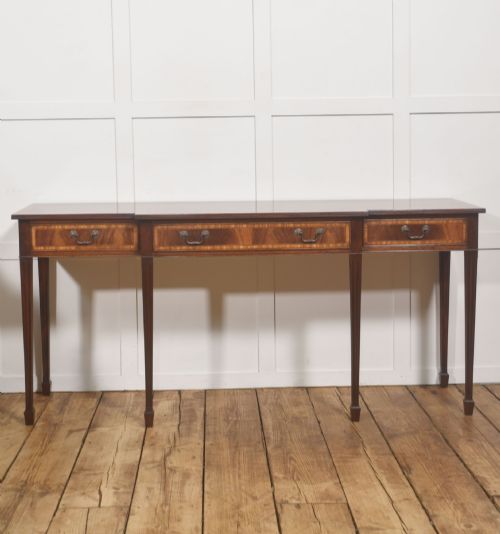
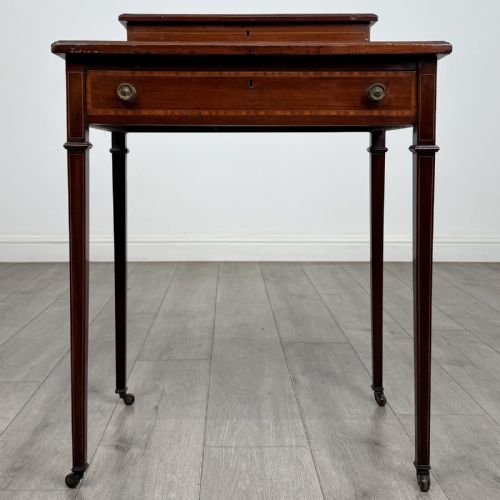
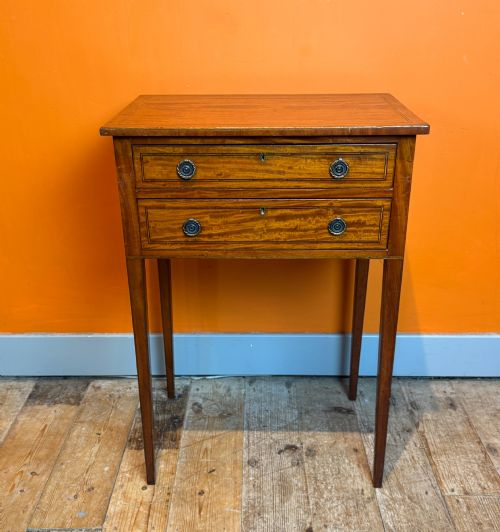
Hall Table with Inlay
A hall table with inlay brings refined woodwork and classic proportions to an entrance, offering both a surface for display and a distinct period presence.
Hall Table with Inlay
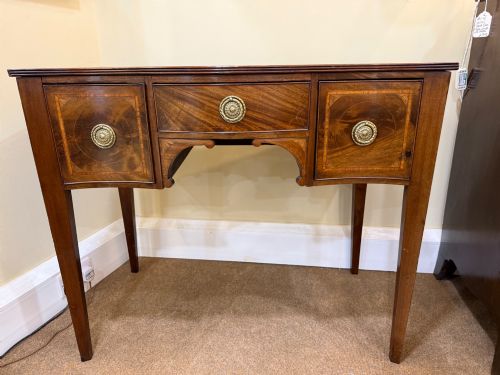
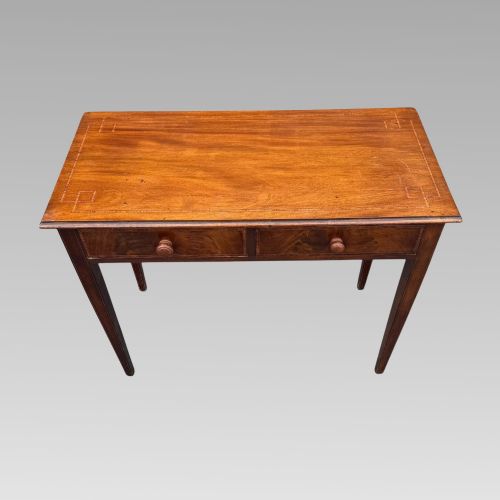
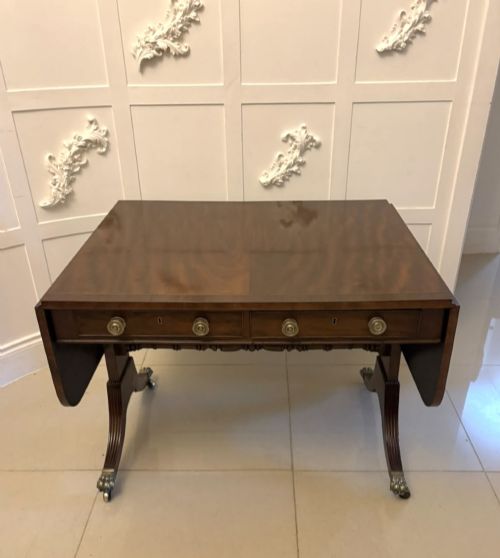
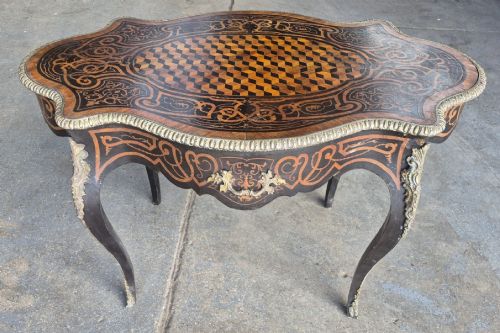
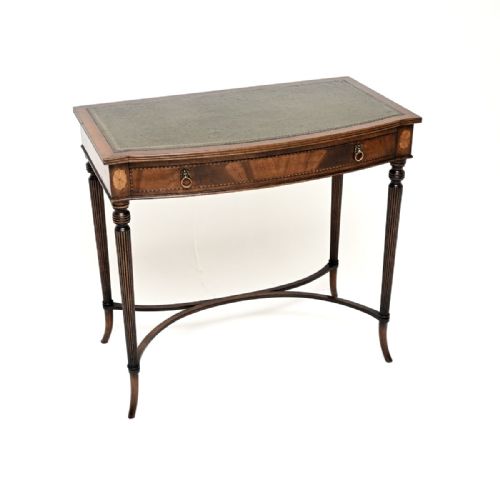
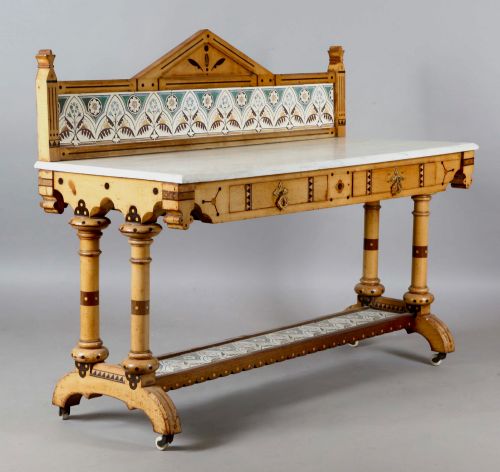
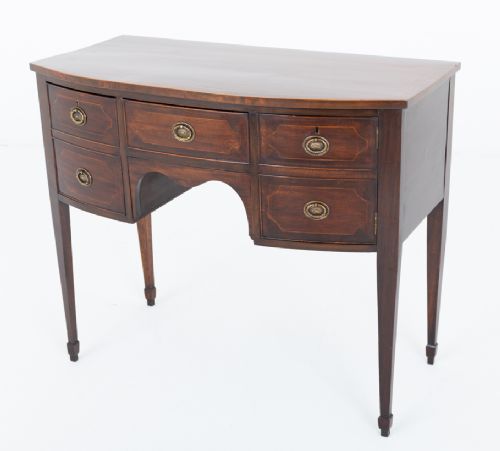
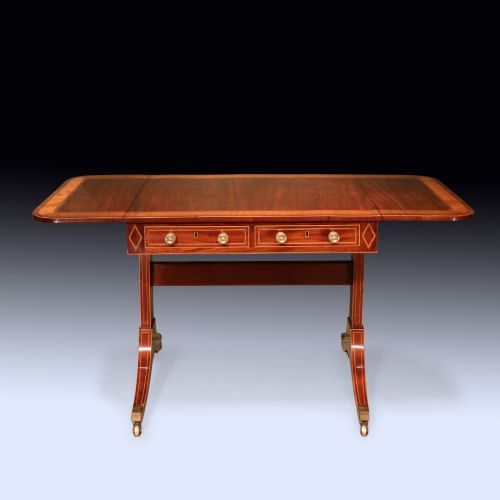
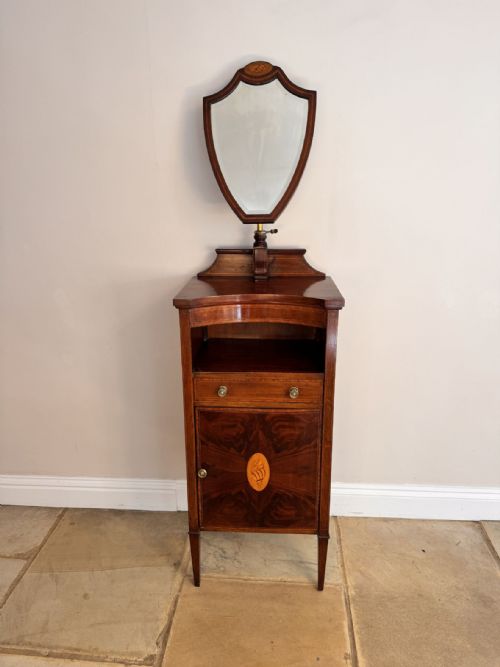
A hall table with inlay encompasses a range of freestanding and console forms designed to furnish corridors and entrance spaces. The selection spans several periods including Regency, Victorian, and Edwardian eras, reflecting changing domestic tastes.
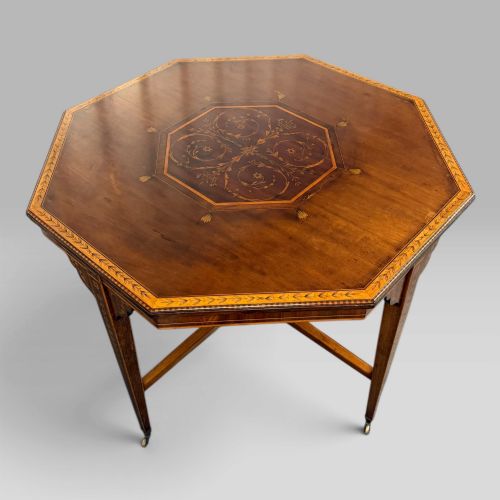
The primary forms found here include console tables, occasional tables, writing tables, and serving tables. Many examples incorporate contrasting timbers and decorative motifs that define their particular style, from Sheraton revival to Italian neoclassical.
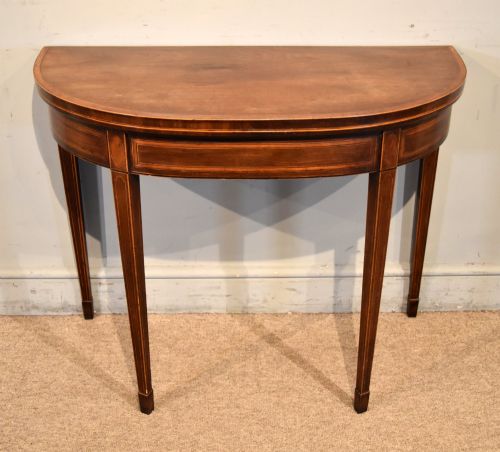
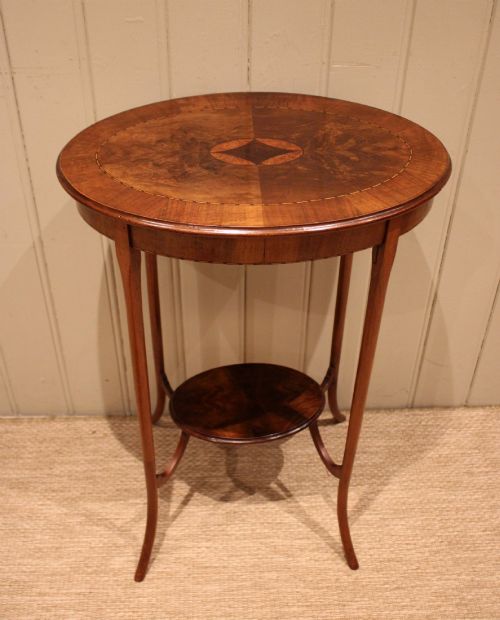
Makers utilised various object types to suit different interior layouts, such as demi-lune side tables placed against walls and circular tables positioned as centrepieces. Each piece demonstrates how historical craftsmen adapted surface decoration to functional furniture.
Materials and construction methods
Timber selection forms the foundation of these pieces, with mahogany, satin walnut, and burr walnut providing robust structural bases and rich natural grain patterns. Craftsmen applied contrasting woods such as satinwood for detailed inlay work.
Decorative embellishments often include brass mounts, ormolu, and inset marble or onyx tops that elevate the visual weight of the furniture. Cabinetmakers combined these materials using traditional joinery appropriate to the period.
Hall Table with Inlay Retail Price Guide 2026
Typical asking prices for hall table with inlay among the pieces listed under this phrase on Sellingantiques today, from the lower quarter to the upper quarter. They describe what is for sale here now, not the wider market.
Some tables even double as writing desks or card tables, ready for unexpected correspondence or a quiet hand of whist.
Distinctions in craftsmanship
Quality reveals itself in the precision of the timber matching and the crispness of the inlay work. Finer examples display seamless integration of contrasting veneers without gaps or lifting along the edges.
The choice of secondary materials, such as heavy marble or onyx tops paired with finely cast ormolu mounts, separates standard production from superior pieces. Structural integrity in the legs and aprons further indicates the level of care taken during manufacture.
Amleto Bertoni·Gillows
The Hall Table with Inlay Glossary
- Inlay
- A technique where pieces of contrasting material are inserted into a recessed surface to form a decorative pattern. This method creates flat ornamentation across tabletop surfaces.
- Console table
- A table designed to stand against a wall, traditionally supported by brackets or legs. These pieces anchor entrance spaces and narrow hallways.
- Satinwood
- A lustrous, yellow-brown timber prized for its fine grain and reflective quality. Cabinetmakers used it extensively for banding and inlay details.
- Ormolu
- Gilded bronze applied as a decorative mount to furniture. This technique adds metallic contrast to wooden structures.
- Demi-lune
- A half-moon shape characteristic of side and pier tables. This silhouette allows the furniture to sit flush against flat walls.
Hall Table with Inlay: Frequently Asked Questions
Where should I place a hall table?
These tables fit naturally against entrance walls, corridors, or reception spaces where surface area is needed without blocking movement. Console and demi-lune formats sit flush against plaster, while circular examples function effectively in larger open halls.
Selecting the right spot depends on the depth of the piece and the clearance required for doors and foot traffic. Placing a mirror above the table creates a balanced arrangement often seen in period interiors.
How do I care for inlaid wooden surfaces?
Maintenance involves dusting with a soft, dry cloth and avoiding excess moisture or direct sunlight that can dry out old veneers. Natural wax applied occasionally helps nourish the timber and protect the delicate inlay work.
Coasters and protective pads prevent surface marks from keys or decorative objects placed on the top. Maintaining stable room humidity prevents the wood and inlay materials from expanding or contracting unevenly.
What is the difference between a console and a serving table?
Console tables are typically designed to stand against a wall and may rely on architectural brackets or legs for support. Serving tables generally offer broader proportions intended for dining rooms or large reception areas.
Both forms utilise decorative inlays and high-status timbers, but their historical functions dictated their size and placement within a home.
How can I identify the period of an inlaid table?
Dating relies on observing the combination of timber types, structural joinery, and decorative motifs characteristic of eras like Regency or Edwardian design. Neoclassical inlay patterns often feature symmetrical urns and swags, whereas later revival pieces borrow freely from earlier vocabularies.
Examining the underside and construction details reveals the methods used by period cabinetmakers to assemble the frame and apply veneers.