

Hall Storage Cabinet
A hall storage cabinet brings order to an entranceway, hiding boots and coats behind timber doors shaped by generations of cabinetmakers.
Hall Storage Cabinet
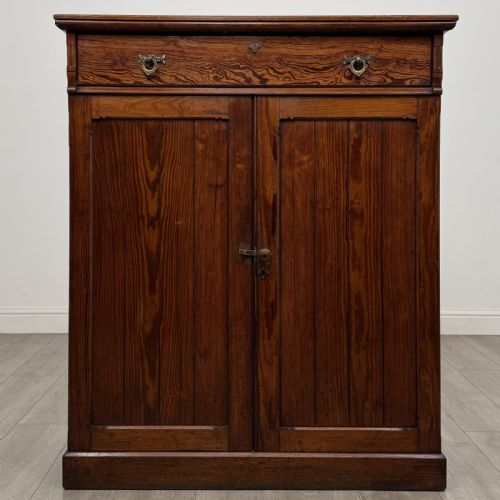
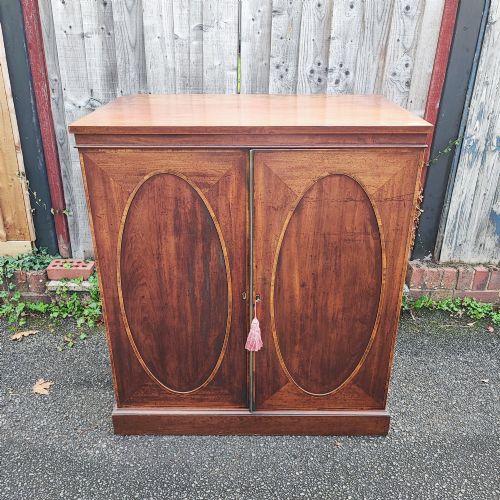
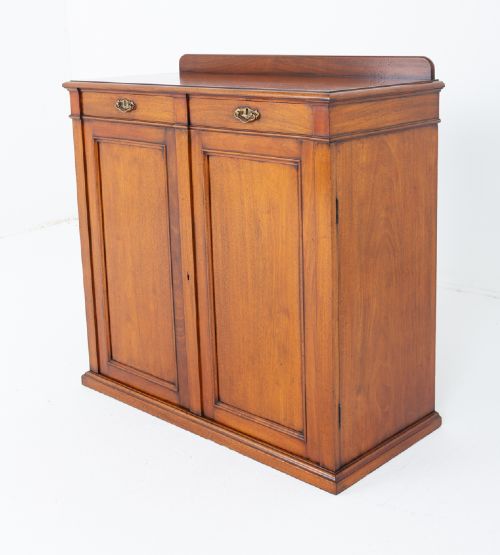
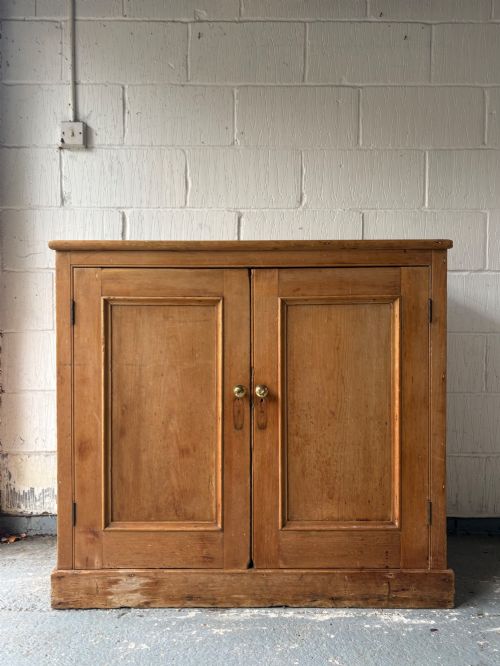
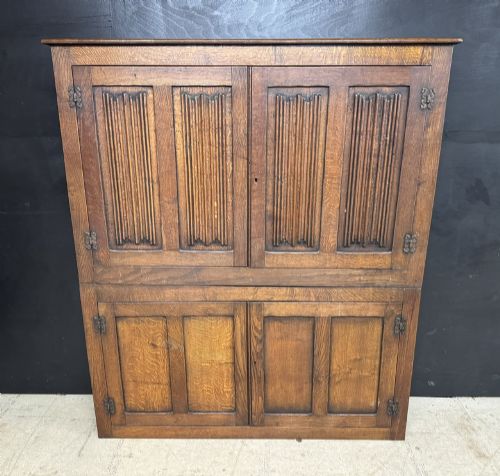
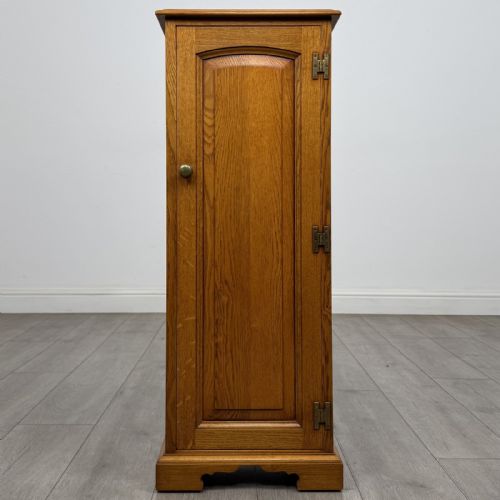
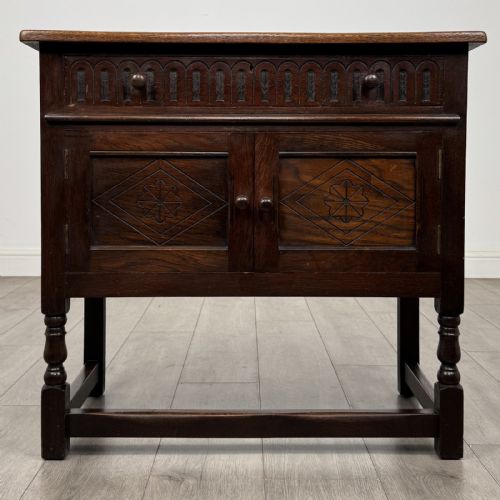
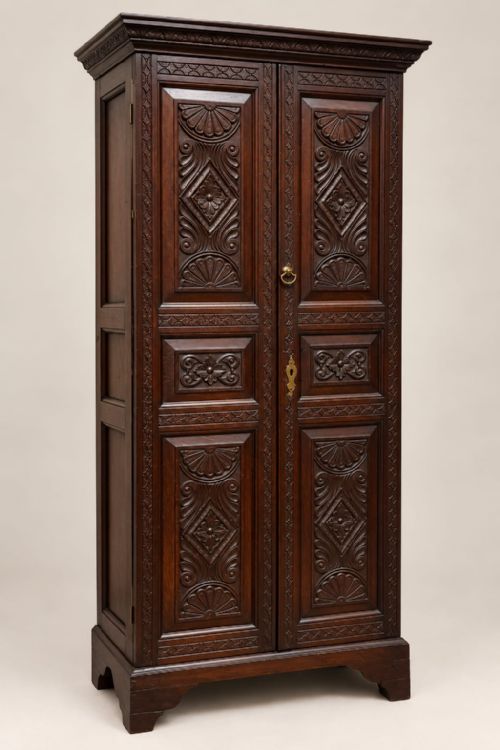
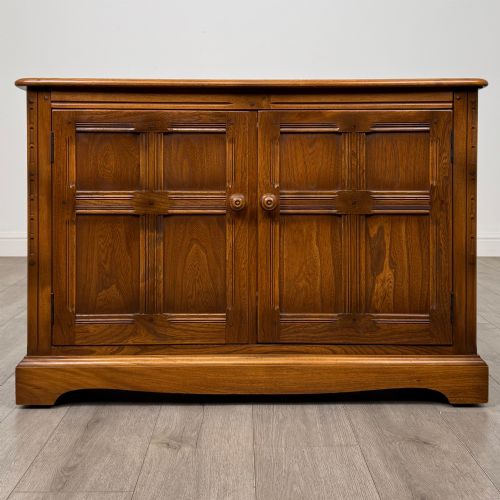
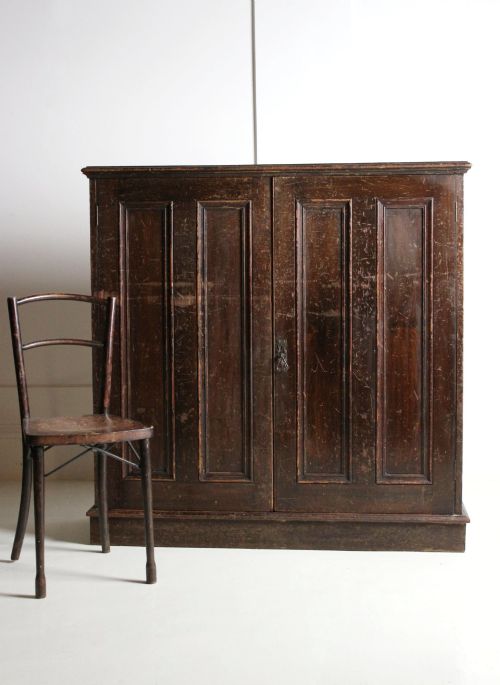
When you search for a hall storage cabinet, you encounter compact cupboards, narrow side cabinets, and slim wardrobes originating from the Georgian, Victorian, and Edwardian eras. These pieces serve the practical purpose of clearing clutter from hallways while displaying the proportions and timber tones favoured in historic British homes.
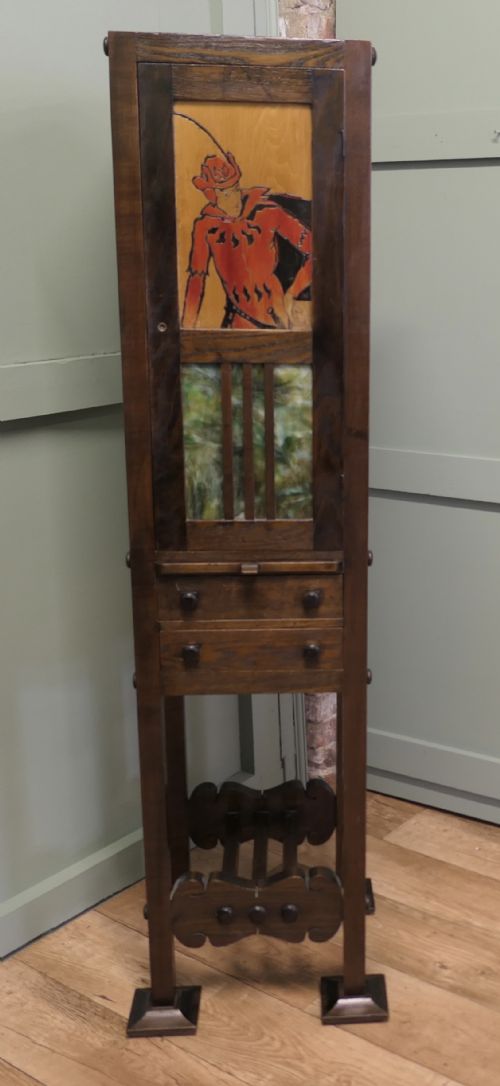
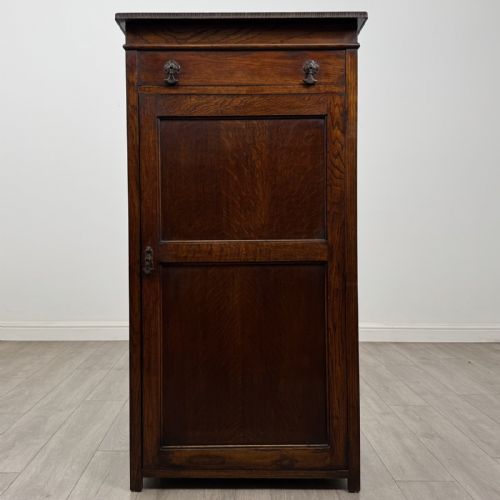
You are most likely to meet narrow oak cupboards from the early twentieth century or pine storage cupboards dating from the late nineteenth century. These forms fit tight entrance spaces, offering internal shelving or hanging room behind panelled doors without obstructing the passage.
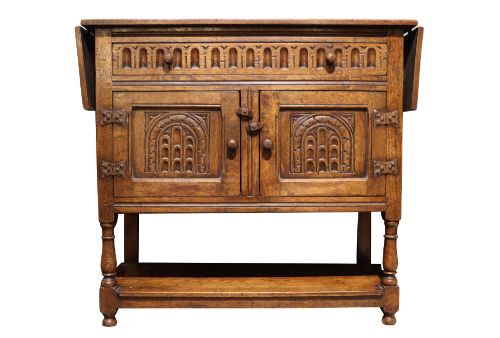
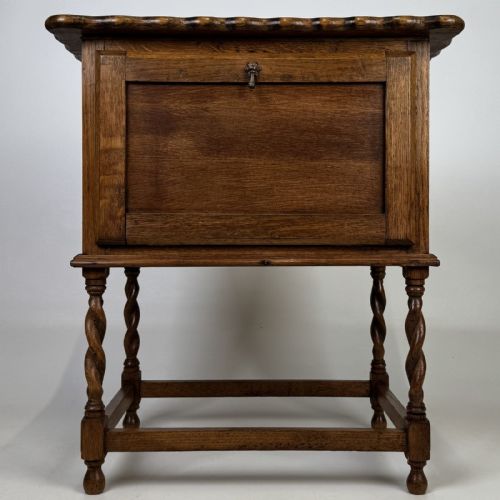
The selection also includes Georgian mahogany side cabinets and Edwardian cupboards featuring barley twist legs or raised galleries. Such variations demonstrate how earlier cabinetmakers adapted standard storage forms to suit the changing architectural demands of domestic hallways.
How they were made
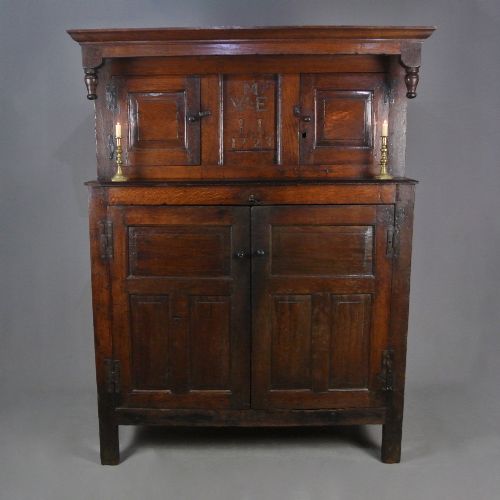
Makers constructed these cabinets primarily using native oak, dense mahogany, and sturdy pine, often accentuating the grain with wax finishes or dark stains. Brass H hinges, iron strapwork, and turned wooden knobs provide both structural support and functional detail.
Joinery techniques rely on solid timber panels, dovetailed drawers, and pegged joints designed to withstand heavy daily use in busy boot rooms and entrances. Carved ornamentation, linenfold panels, and applied mouldings appear on revival pieces to emulate earlier Jacobean and Tudor styles.
Hall Storage Cabinet Retail Price Guide 2026
Typical asking prices for hall storage cabinet among the pieces listed under this phrase on Sellingantiques today, from the lower quarter to the upper quarter. They describe what is for sale here now, not the wider market.
One cheerful Edwardian cabinet includes a lift-up lid, inviting secret storage for muddy boots or forgotten confectionery.
What varies in quality
The distinction between standard utility cupboards and finer examples lies in the selection of timber and the precision of the joinery. Cabinets built from dense, figured mahogany or quarter-sawn oak with hand-cut dovetails represent a higher order of craftsmanship than utilitarian painted pine variants.
Proportion and integrity dictate value; pieces retaining their original brass hardware, uncompromised backboards, and stable timber frames stand above those altered by later restorations or excessive sanding.
Shapland and Petter·Shoolbred and Co
The Hall Storage Cabinet Glossary
- Court cupboard
- A heavy, two-tier storage piece originating in the Tudor and Jacobean periods, often featuring carved supports and enclosed upper compartments.
- Dresser base
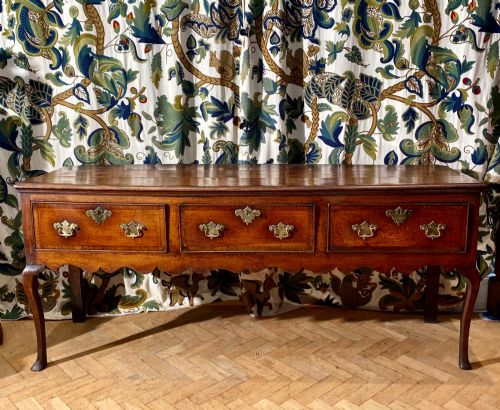
- A low sideboard fitted with drawers and cupboards below, traditionally utilised in kitchens and hallways for domestic storage.
- Fielded panel
- A wooden door insert with bevelled edges that sit within a grooved frame, allowing the timber to expand and contract with humidity.
- Barley twist
- A decorative turning technique resembling a spiral rope, frequently found on the legs of Edwardian and revival oak furniture.
- Gallery
- A raised wooden border running along the top edge of a cabinet or sideboard to prevent items from sliding off.
Hall Storage Cabinet: Frequently Asked Questions
What is a hall storage cabinet used for?
These cabinets provide concealed storage in entranceways and boot rooms for footwear, outer garments, and household linens. They maintain a tidy threshold by keeping everyday items out of sight.
Historically, homeowners placed them near front doors to catch outdoor gear before it entered the main reception rooms. Their shallow depths ensure they do not obstruct narrow corridors.
How do I date an oak cupboard?
Dating relies on examining the construction methods, handle types, and timber preparation visible inside the cabinet. Hand-sawn boards and pegged joinery generally point towards earlier Georgian or provincial periods.
Later Edwardian and twentieth-century examples often display machine-cut elements, standardised hinges, and applied mouldings. Comparing the hardware style to documented periods offers further chronological clarity.
Will a narrow cabinet fit my hallway?
Many surviving pieces were built with restricted floor spaces in mind, offering shallow depths and upright proportions. Measuring your hallway clearance against the listed dimensions ensures the doors can swing open freely.
Consider the placement of radiators and skirting boards when calculating the available floor area. Slim pine and oak variations are specifically suited to confined entranceways.
How do I care for antique pine furniture?
Routine maintenance involves dusting with a soft, dry cloth and applying natural beeswax periodically to nourish the dry timber. Avoid placing these pieces in direct sunlight or beside heat sources to prevent the wood from warping.
Many antique pine cupboards respond well to gentle waxing, which enhances the grain and protects the surface from daily wear in busy hallways.