

Hall Cupboard Storage
Hall cupboard storage pieces solve hallway clutter with practical character, spanning Georgian oak proportions down to Edwardian and Victorian designs.
Hall Cupboard Storage
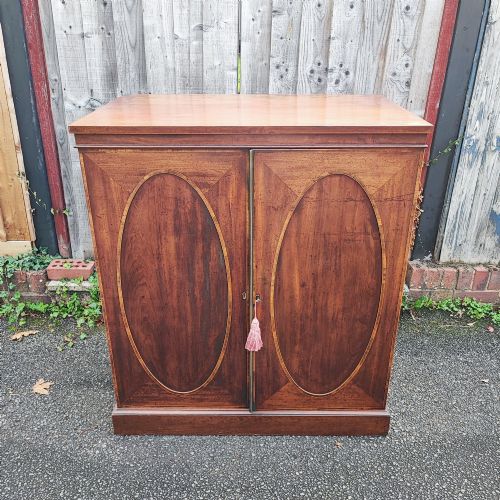
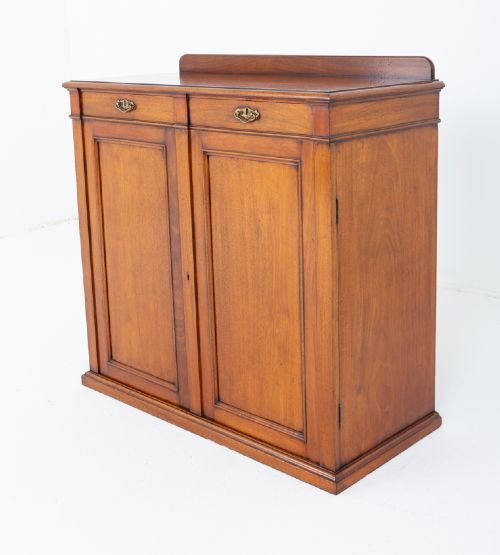
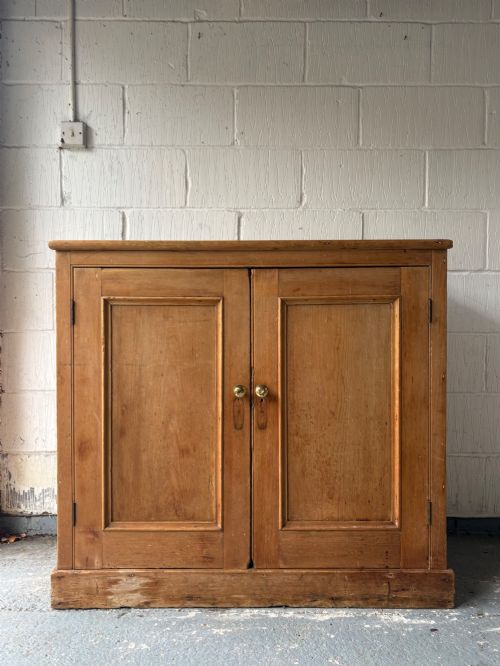
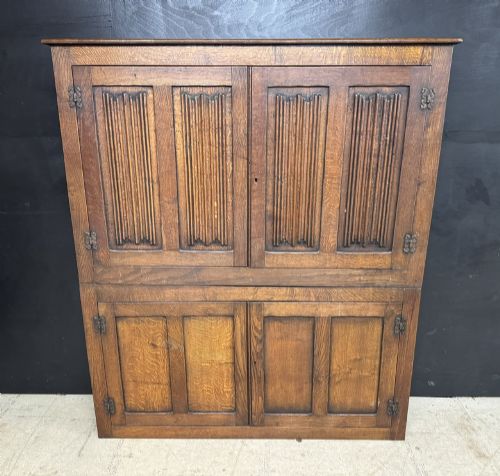
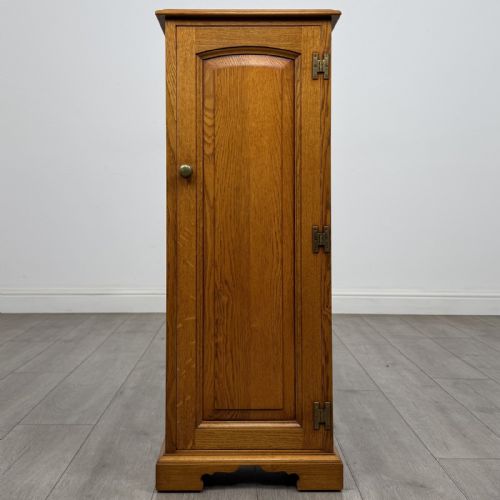
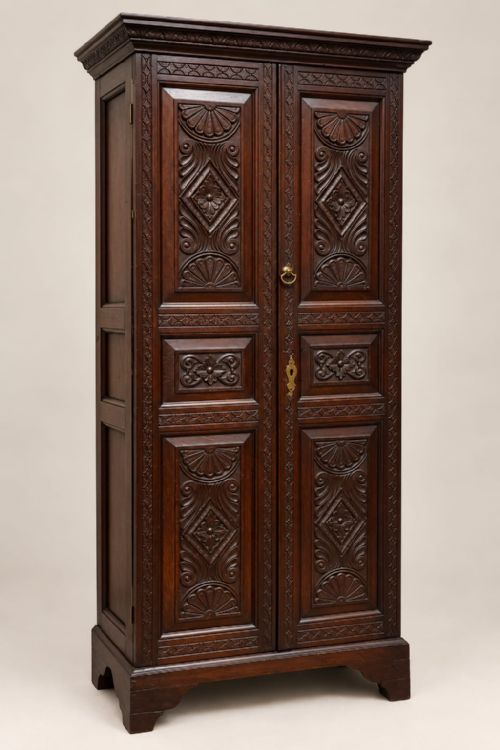
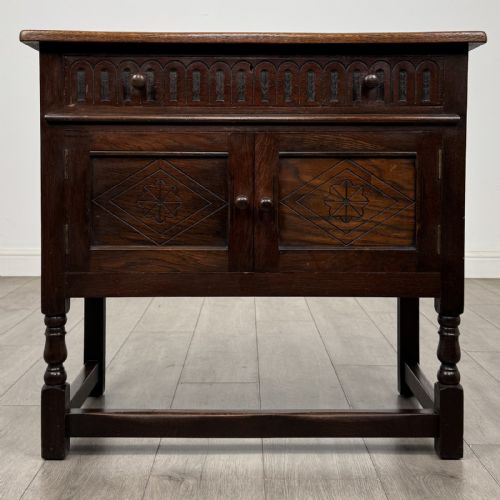
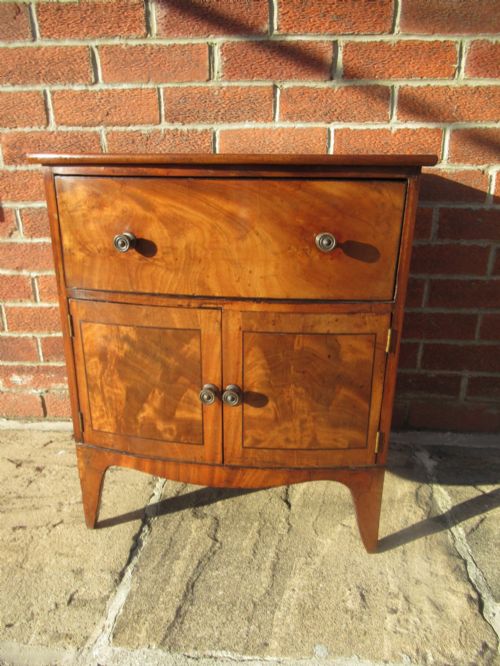
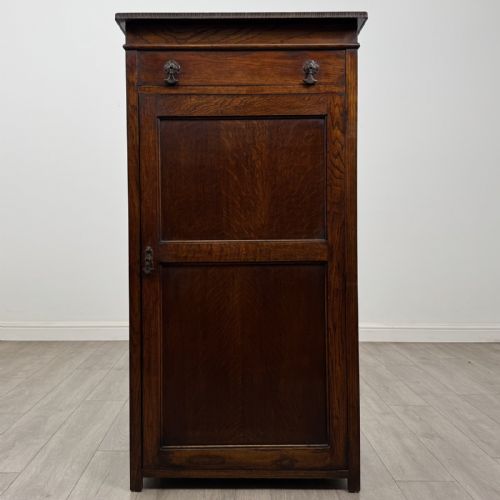
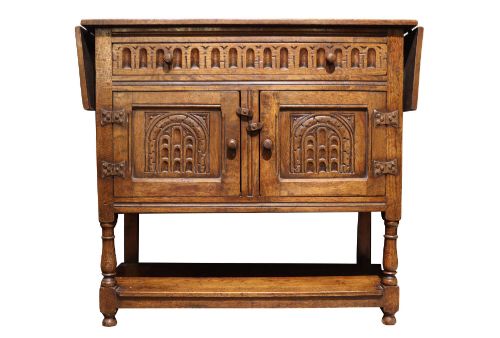
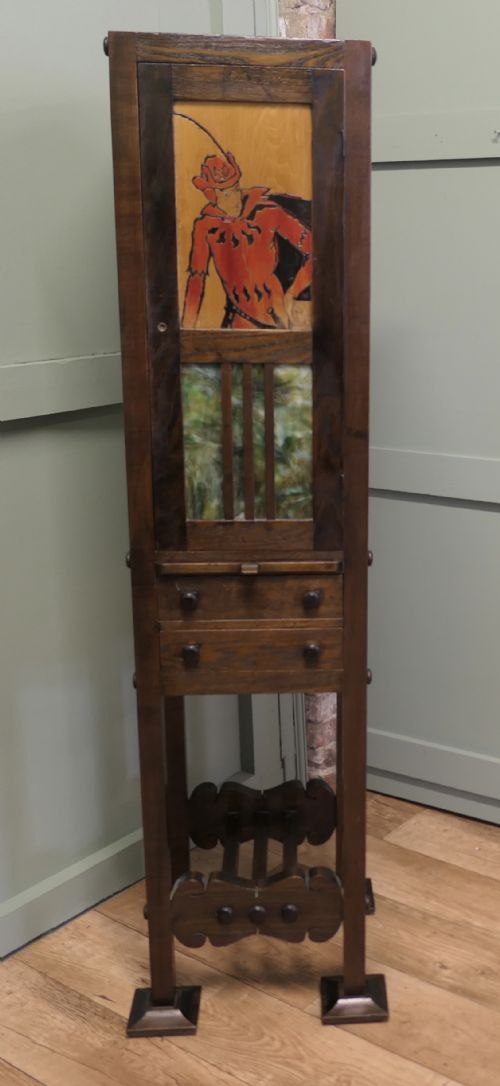
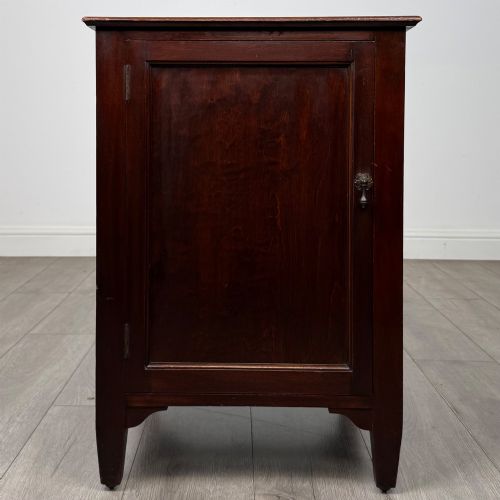
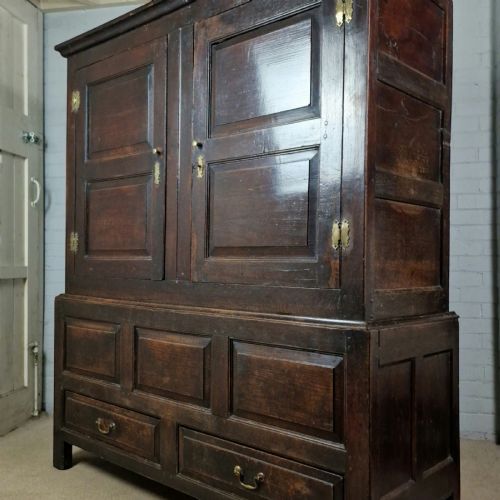
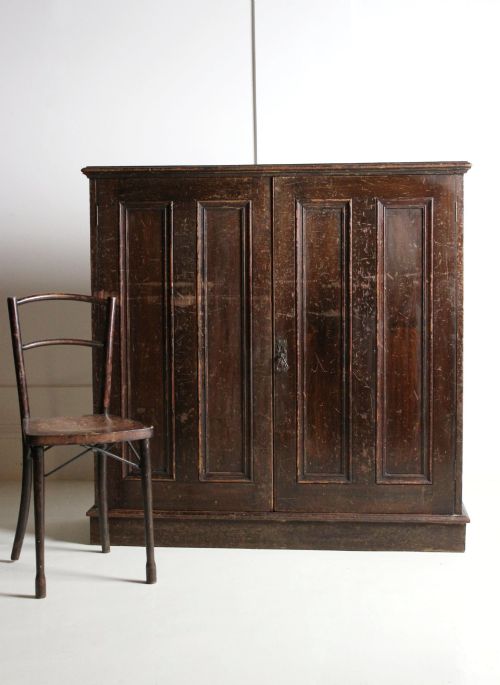
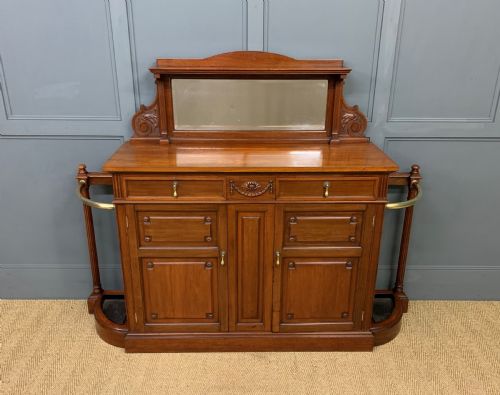
Hall cupboard storage items provide practical utility for entryways and cloakrooms, taking the form of narrow oak cabinets, two-door mahogany side cabinets, and pine cupboards. These pieces originate from periods ranging through the eighteenth, nineteenth, and early twentieth centuries, reflecting changing domestic requirements for hanging coats, storing boots, and keeping hallways tidy.
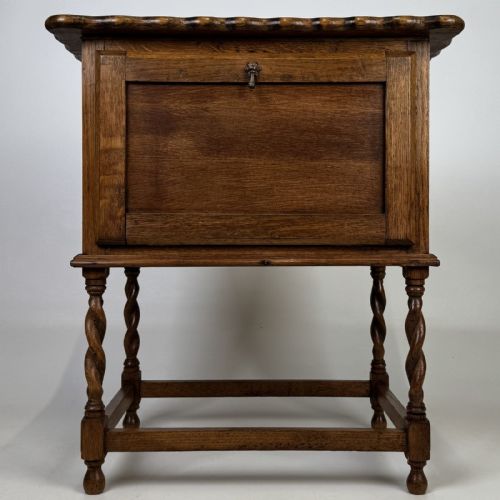
Buyers seeking hall cupboard storage will most frequently encounter sturdy oak and pine examples from the Victorian and Edwardian eras, alongside refined Georgian mahogany cupboards. Common configurations include slim side cabinets, tall narrow wardrobes, and cupboards fitted with internal drawers, brass hardware, or lift-up lids for everyday hallway use.
What varies in quality
The degree of craftsmanship in joinery separates standard utility furniture from finer architectural examples, evident in the precision of dovetailed drawers and the stability of panelled doors. Timber selection also dictates the hierarchy, where well-figured mahogany or quarter-sawn oak represents superior material sourcing compared to utilitarian stained pine.
Proportion and decorative restraint influence the standing of each piece, distinguishing simple country workshop items from refined urban cabinet making. Integrated details such as original brass hinges, carved panels, or matched hardware elevate the coherence and finish of the storage furniture.
Hall Cupboard Storage Retail Price Guide 2026
Typical asking prices for hall cupboard storage among the pieces listed under this phrase on Sellingantiques today, from the lower quarter to the upper quarter. They describe what is for sale here now, not the wider market.
Listings feature hall storage spanning the Georgian, Victorian, and Edwardian eras, constructed from oak, pine, and mahogany.
Shapland & Petter·Shoolbred & Co.
The Hall Cupboard Storage Glossary
- Livery cupboard
- A traditional storage cabinet originally used for holding provisions, featuring ventilated doors or louvres to circulate air around stored items.
- Court cupboard
- An antique open-shelved or enclosed cupboard dating from the seventeenth or eighteenth century, typically constructed from heavy carved oak.
- Fielded panel
- A wooden panel with bevelled edges recessed into a heavier frame, commonly found on cupboard doors to allow timber movement.
- Barley twist
- A decorative turning technique resembling a spiralling rope, popular on the legs and supports of late Victorian and Edwardian oak furniture.
- Chiffonier
- A low sideboard or cabinet developed in the nineteenth century, featuring cupboards enclosed by doors beneath a raised upper shelf or gallery.
Hall Cupboard Storage: Frequently Asked Questions
What fits inside a narrow hall cupboard?
These compact cabinets accommodate everyday outdoor wear, including folded scarves, gloves, small bags, and pairs of shoes. Internal configurations often feature shelves or hanging space tailored for narrow hallway footprints.
Larger variants incorporate fitted drawers or deeper cavities suitable for household linens, bulky coats, and miscellaneous hallway paraphernalia.
How do I identify a Georgian hall cupboard?
Georgian examples display classic proportions executed in dense mahogany or native oak, often featuring brass H hinges and fielded panel doors. Construction relies on traditional hand-cut dovetails and pegged joinery characteristic of the eighteenth century.
Subtle architectural cornices and understated bracket feet further distinguish pieces from this period compared to later revival styles.
Where should I place a side cabinet?
Side cabinets suit narrow entrance passages, landings, and dining rooms where floor space is limited yet storage is required. Their shallow depth allows them to sit flush against walls without obstructing thoroughfares.
Pairing the cabinet with a mirror or hanging hooks above creates a functional drop zone near an entryway.
How do pine and mahogany cupboards differ?
Pine cupboards offer a lighter, softer timber character that frequently carries historic layers of wax or paint finish, suiting country interiors. Mahogany provides a denser, heavier frame with rich reddish-brown tones and a more formal aesthetic.
Both timbers respond well to domestic use, though mahogany requires less surface maintenance than untreated or painted pine.