
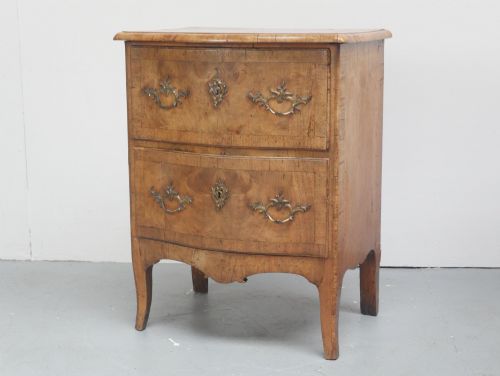
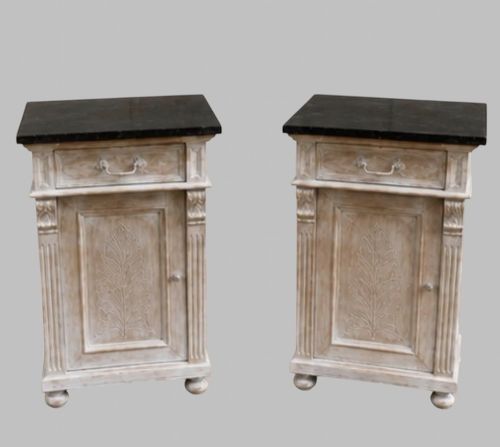


Gustavian Nightstands
Gustavian nightstands bring understated Nordic elegance to a bedroom, offering practical bedside storage wrapped in classic painted finishes.
Gustavian Nightstands
Gustavian nightstands encompass compact bedside storage solutions including bedside cabinets, commodes, small chests of drawers, and side tables. These pieces emerge primarily from 18th century, 19th century, and early 20th century periods, reflecting Scandinavian craftsmanship.
How they were made
Makers utilised timber such as pine, softwood, and birch as the primary structural materials for these bedside pieces, often shaping them into commodes and small chests. Construction relied on traditional joinery suited to regional Scandinavian workshops.
Surfaces frequently received hand-applied paint finishes, sometimes complemented by contrasting marble tops or faux marble surfaces. Details occasionally incorporated brass hardware and metal elements to accent the painted wood.
Listings feature 19th-century and 18th-century pieces alongside early 20th-century examples up to 1920.
What varies in quality
Quality rests in the subtlety of the proportions and the handling of the painted surface, where softer, patinated layers outshine flat modern emulsions. The integration of fitted marble or faux marble tops also separates standard utility pieces from more ambitious commissions.
Construction integrity defines the upper tier, visible in the snug fit of drawers and the stability of small commodes and cupboards. Original hardware and authentic period paint layers elevate a piece above later restorations.
The Gustavian Nightstands Glossary
- Gustavian
- A Swedish neoclassical design style spanning the late 18th century and later revivals, known for restrained ornamentation and lighter colour palettes. It draws inspiration from French Louis XVI aesthetics but interprets them with Nordic simplicity.
- Softwood
- Timber from conifer trees, such as pine, which was widely utilised for painted furniture in regional Scandinavian workshops. It provided an accessible material that took painted finishes readily.
- Satin birch
- A light-coloured hardwood with a distinctive shimmering grain, often employed in Swedish furniture for decorative veneer or solid construction. It brings warmth and texture to otherwise plain surfaces.
Gustavian Nightstands: Frequently Asked Questions
What defines a gustavian nightstand?
These pieces are typically small Scandinavian bedside tables, commodes, or chests of drawers dating from the 18th to the early 20th century. They are characterised by painted softwood construction and restrained neoclassical styling.
Many examples arrive as matched pairs, making them practical for placing on either side of a bed. Their compact footprints suit smaller bedroom spaces while offering concealed storage.
Are these nightstands usually sold in pairs?
A significant portion of the available inventory consists of matched pairs, particularly among 19th-century commodes and bedside cabinets. Single pieces also appear frequently.
When furnishing a bedroom, finding a matching pair provides symmetrical balance, whereas single tables work well as eclectic bedside accents or lamp tables.
What materials should I expect?
Construction primarily relies on timber such as pine and painted softwood, alongside occasional birch elements. Many surfaces feature traditional hand-applied paint finishes in white or pale tones.
Selected models incorporate marble or faux marble tops, adding a durable and refined surface for bedside use. Brass and metal details occasionally appear as hardware accents.
How do I care for a painted wooden surface?
Painted antique furniture requires gentle dusting with a soft, dry cloth to protect the historic finish from moisture and abrasion. Avoid chemical cleaners that can strip or soften older paint layers.
For pieces with marble tops, wipe spills promptly to prevent staining, and use coasters beneath glasses. Keeping the wood out of direct sunlight preserves the tone of the paint over time.