





Grey Wingback Armchair
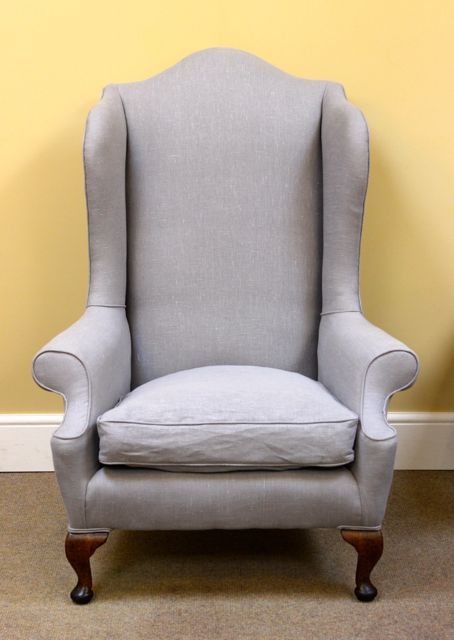
A grey wingback armchair offers deep comfort and traditional stature, combining high upholstered sides with substantial frames from the Georgian and Victorian periods.
Grey Wingback Armchair
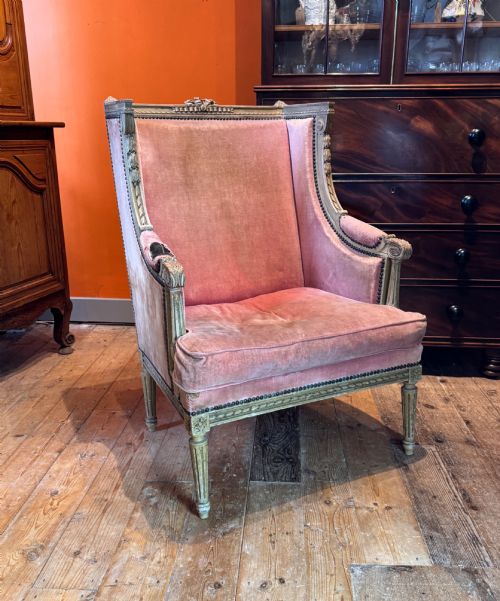
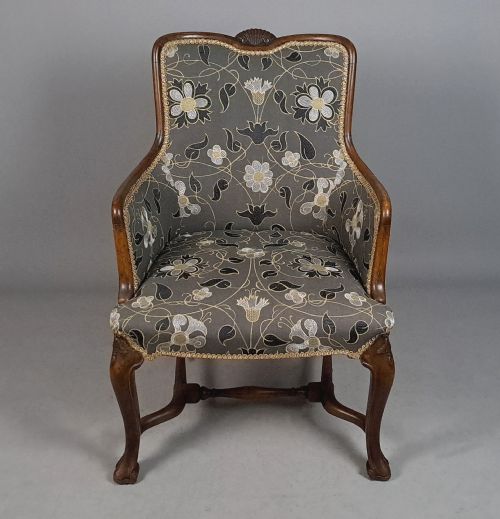
When you search for a grey wingback armchair, you are looking for a seating form designed to shield the sitter from draughts, upholstered in linen, velvet, fabric, or textile. These chairs range from early nineteenth century French examples to late nineteenth century English pieces.
The versions you are most likely to meet on this page include nineteenth century walnut and mahogany frames, alongside Victorian barrel back armchairs and Georgian wingback chairs. Makers built these with substantial wings flanking the back to trap heat and frame the sitter.
Origins span English and French workshops, encompassing specific revivals such as the Queen Anne manner and Louis XVI styles. Each piece demonstrates the enduring utility of the high-backed upholstered seat across the nineteenth century.
How they were made
Makers constructed the structural frames of these armchairs using mahogany, walnut, and painted wood, often incorporating brass details. These timbers provided the heavy, durable skeleton necessary to support deep upholstery and wide wings.
Upholstery techniques involved textiles such as linen and velvet stretched over padded frameworks, sometimes housing reclining mechanisms as seen in early nineteenth century French pieces. Original paint finishes also survive on select chateau examples from the period.
Grey Wingback Armchair Retail Price Guide 2026
Typical asking prices for grey wingback armchair among the pieces listed under this phrase on Sellingantiques today, from the lower quarter to the upper quarter. They describe what is for sale here now, not the wider market.
Listings span the nineteenth century, encompassing Georgian influences, Victorian proportions, and French chateau origins executed in mahogany, walnut, and linen.
What varies in quality
The distinction between standard nineteenth century production and finer examples rests in the sculptural confidence of the wooden frame and the choice of primary timber. Walnut and mahogany frames display crisper turnings and more substantial proportions than lesser pieces.
Quality also resides in the integrity of the original surfaces, such as untouched chateau paint or well-preserved ebonised finishes. Pieces adhering closely to Georgian proportions or specific revival manners command greater interest from collectors.
The Grey Wingback Armchair Glossary
- Wingback armchair
- An upholstered seat featuring high sides designed to deflect draughts and retain fireplace heat. This form dates back centuries and remains a staple of traditional interiors.
- Barrel back
- A seating variation where the backrest curves continuously into the arms in a circular enclosure. It offers a more cocooning sit than the flat-backed wing chair.
- Louis XVI style
- A neoclassical aesthetic characterised by straight tapered legs, carved symmetry, and classical restraint. It originated in eighteenth-century France and inspired later nineteenth-century interpretations.
- Queen Anne manner
- A style defined by cabriole legs, pad feet, and curved lines that flow organically. Revival pieces from the nineteenth century borrowed these distinct eighteenth-century motifs.
- Ebonisation
- The process of treating timber such as beech or fruitwood to resemble ebony. This dark, polished finish was frequently utilised in nineteenth-century French seating.
Grey Wingback Armchair: Frequently Asked Questions
What is a wingback armchair?
A wingback armchair is a high-backed seat featuring protective side panels designed to shield the sitter from draughts. They became popular in the eighteenth century and remained a staple of nineteenth-century domestic comfort.
These chairs use heavy timber frames covered in textiles like linen or velvet. Their distinctive silhouette makes them a commanding focal point in any room.
How do I date a wingback chair?
Dating relies on examining the timber of the frame, the turnings of the legs, and the upholstery construction methods. Georgian examples display different proportions compared to later Victorian iterations.
Stylistic revivals during the nineteenth century often borrowed earlier motifs like those from the Queen Anne period. Comparing the structural wood to known period examples helps clarify the date.
Where were these armchairs made?
The pieces seen here originate primarily from English and French workshops spanning the nineteenth century. English makers favoured mahogany and walnut, while French makers produced pieces with original paint and ebonised finishes.
Regional differences appear in the carving styles and structural woods utilised. French pieces often reflect chateau origins or specific court revivals like Louis XVI.
How should I live with one?
Living with a nineteenth-century wingback armchair involves placing it where its high back and upholstered wings can be appreciated. They function well beside fireplaces or as reading chairs in a study.
Protecting the textiles from direct sunlight preserves the linen, velvet, or fabric upholstery. Their neutral grey tones allow them to integrate easily into both historic and contemporary interiors.