

Grey Watercolour Artwork
These grey watercolour artwork pieces capture subtle atmospheric tones on paper, offering collectors understated landscapes and maritime scenes with quiet depth.
Grey Watercolour Artwork
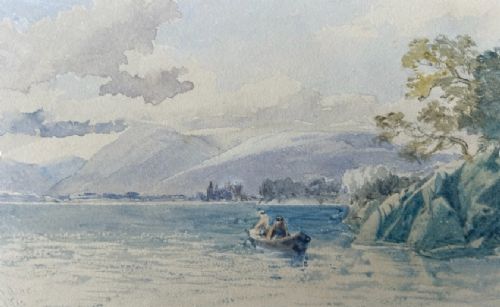
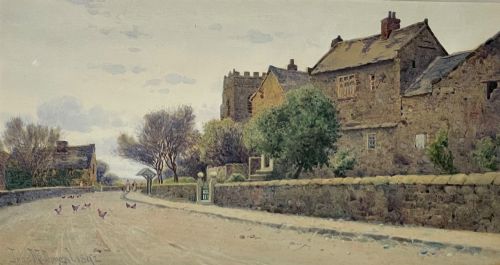
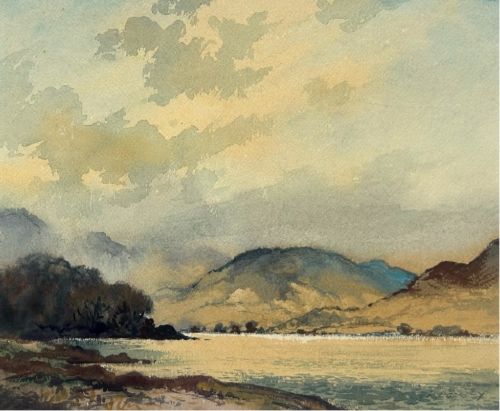
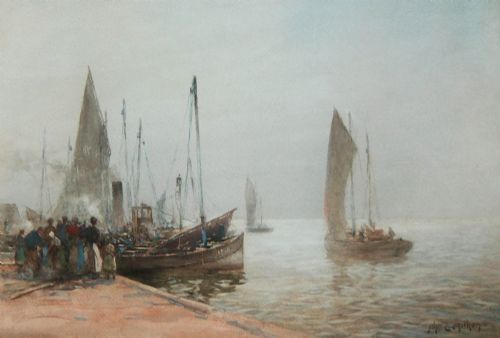
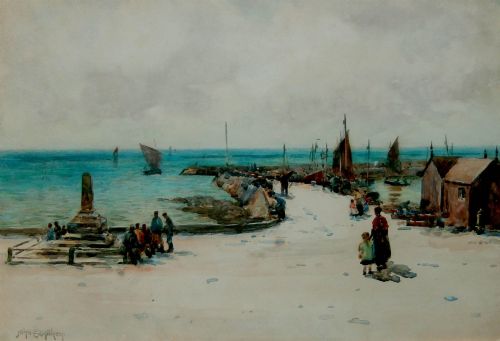
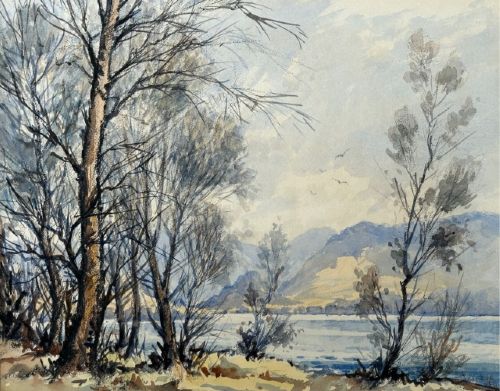
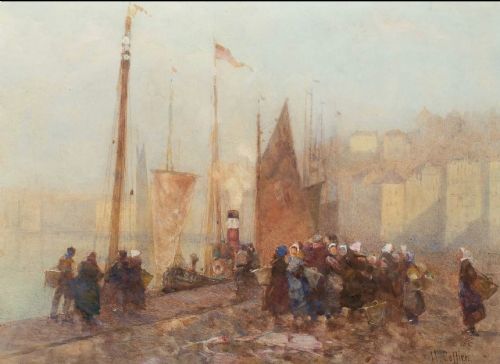
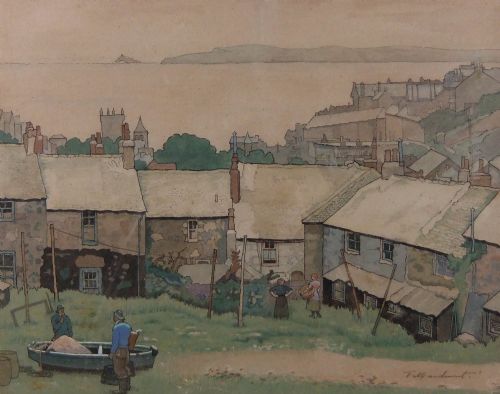
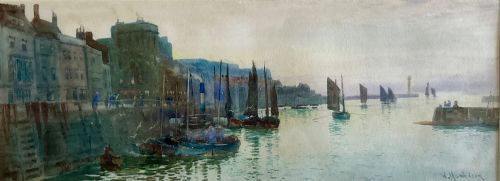
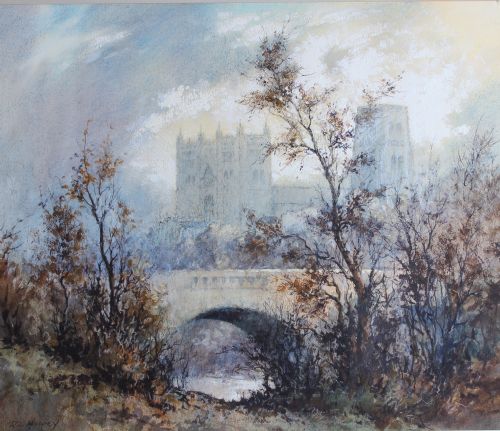
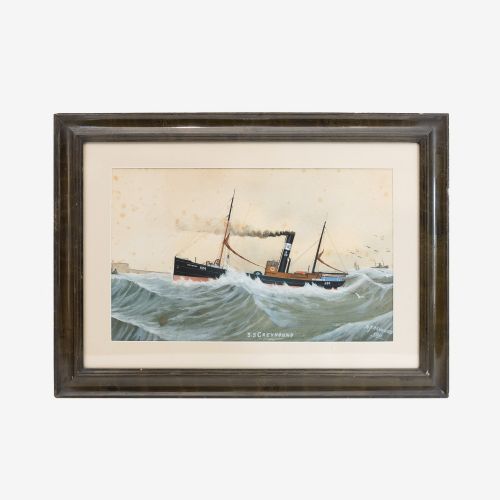
When you search for grey watercolour artwork, you enter a sphere of monochrome and muted tones spanning from the nineteenth century through the mid-twentieth century. The pieces recorded here predominantly take the form of landscape paintings, marine views, and architectural watercolours created by British and European hands. You are most likely to encounter Victorian and Edwardian works on paper that utilise delicate washes to render misty coastal harbours, overcast northern moors, and grey morning skies.
The selection ranges from early works by nineteenth-century artists to mid-century modern interpretations, encompassing framed fine art paintings and intimate sketches. Subjects often focus on maritime scenes, shipping harbours, and quiet rural vistas where a muted palette conveys weather and light. These watercolours arrive on paper supported by traditional framing, often retaining their original period character.
Materials and Technique
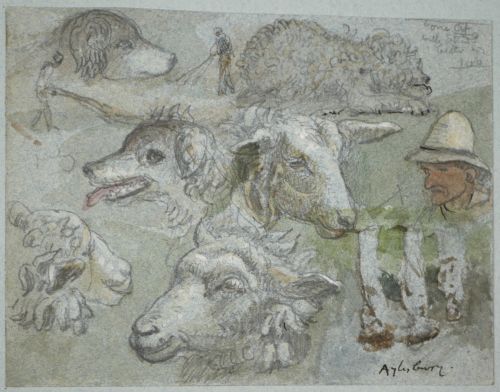
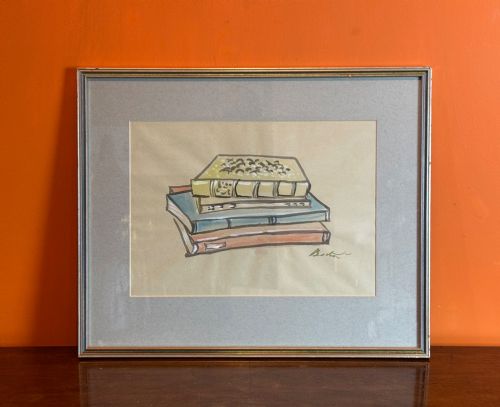
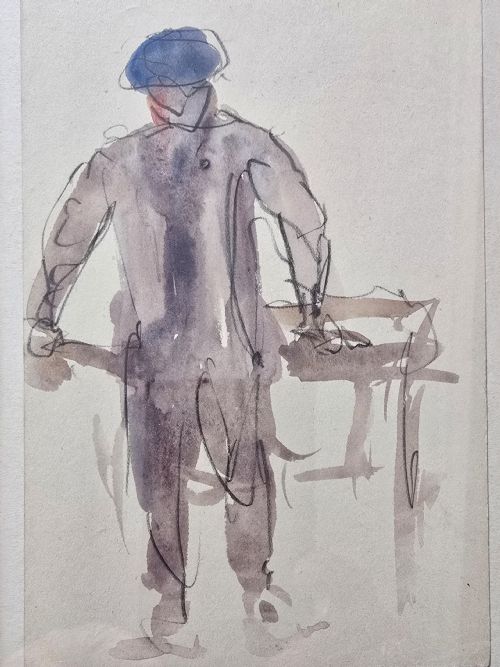
The foundation of these works lies on paper, upon which artists applied watercolour pigment and watercolour paint, frequently augmented with bodycolour such as gouache for opaque highlights. Ink and pencil underdrawing often remain visible beneath the washes, mapping out architectural details or shoreline contours before the application of fluid grey tones. Watercolour pigment was diluted with water to achieve varying levels of opacity, allowing the texture of the paper to show through the lighter atmospheric passages.
Selected works incorporate supplementary media like gold leaf or are paired with glass and wood framing that protected the fragile paper surfaces from moisture and atmospheric degradation. The handling of the brush ranges from precise architectural drafting to loose, impressionistic washes that capture the movement of sea and weather with economy of stroke.
The listings span from the nineteenth century through the 1960s, featuring paper, watercolour pigment, gouache, and ink across British and European schools.
Factors of Quality
Quality in these watercolours rests upon the artist's command of tone and light within a restricted monochrome range, where the paper itself must work as a source of illumination. A superior sheet displays confident brushwork and an assured sense of composition, avoiding muddy washes while maintaining crisp definition in focal areas such as shipping rigging or structural stonework. The subtlety of the grey tones determines depth and atmosphere, distinguishing a master study from a hurried topographical record.
Condition and provenance further define the upper tier of the range, specifically the stability of the paper support and the absence of acidic foxing or fading from improper past exhibition. Original framing and clear attribution to recorded artists from periods like British Impressionism or the Edwardian era elevate an individual piece above anonymous works of the same age.
Thomas Miles Richardson Jnr·James Smetham·John McDougal·Robert Leslie Howey·James E Aitken·John E Aitken·Hector Caffieri·Thomas Maidment·William Matthison·Alexander Harwood·Cecil Beaton·Albert Ludovici Jnr·Michael Healy·Frank Kelsey·Warwick Goble·John Moxon·F J Snell·Charles William Adderton·Eric Tufnell·Vincenzo D Esposito·Arthur Wardle·Robert Little·Fred Lawson·Arthur Reginald Smith·Cuthbert Crossley
The Grey Watercolour Artwork Glossary
- Watercolour paint
- A water-soluble medium composed of pigment suspended in a water-soluble binder, traditionally gum arabic. It is applied in transparent washes to white or tinted paper.
- Gouache
- An opaque watercolour paint containing pigment mixed with a binding agent and added inert white material such as chalk. It provides solid highlights and heavier areas of colour in mixed-media works.
- Foxing
- Brown or yellowish spots caused by chemical reactions in ageing paper, often accelerated by damp storage conditions. It is a common characteristic of nineteenth-century works on paper.
- Monochrome
- A painting or drawing executed in a single colour or shades of a single colour, such as grey. This restricted palette emphasises form, tone, and light over local colour.
Grey Watercolour Artwork: Frequently Asked Questions
How should I frame grey watercolour artwork?
These works require framing behind glass with acid-free mounts to prevent direct contact between the paper surface and the glazing. Conservation-grade framing protects the delicate watercolour pigments from ultraviolet light and atmospheric pollutants.
Keep the framed pieces away from direct sunlight and damp environments to preserve the integrity of the paper support and prevent foxing over time.
Are these watercolours original or prints?
The selection consists primarily of original hand-painted works executed directly onto paper by individual artists. Each piece bears the unique brushstrokes and tonal variations characteristic of direct creation rather than mechanical reproduction.
Close inspection under magnification often reveals the pooling of pigment and pencil underdrawings unique to authentic watercolour paintings.
How do I identify the period of a watercolour?
Dating relies upon stylistic markers, artist signatures, framing materials, and the watermark or texture of the backing paper itself. Victorian and Edwardian works often feature specific paper weights and subject matters reflective of contemporary tastes in landscape and maritime art.
Comparative study against documented works by recorded makers helps narrow the decade of production when a date is absent from the sheet.
Why is grey chosen as the primary palette?
Artists utilised grey tones to capture overcast weather, maritime fog, and the specific atmospheric conditions of northern European landscapes. A monochrome or restrained palette directs the viewer's attention to form, shadow, and compositional balance without the distraction of bright hues.
This deliberate economy of colour aligns with historical traditions of tonal sketching and atmospheric plein air observation.