


Grey Stone Pedestals
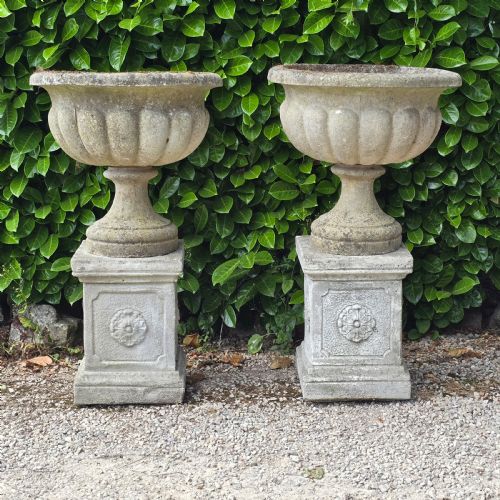
Grey stone pedestals elevate garden ornaments, statues and urns, bringing height and architectural structure to outdoor spaces.

Grey Stone Pedestals
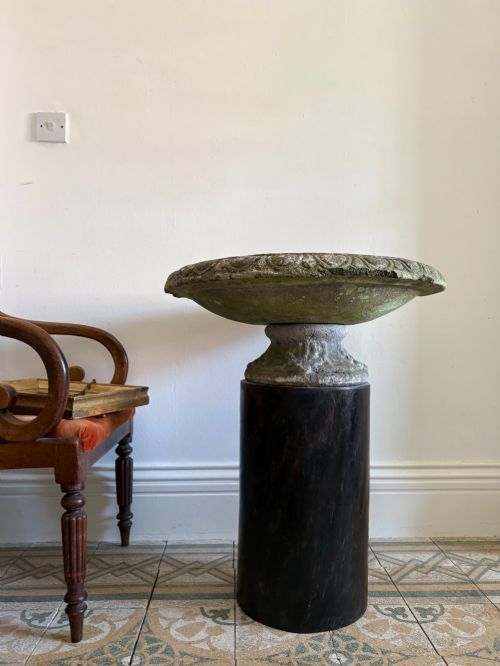
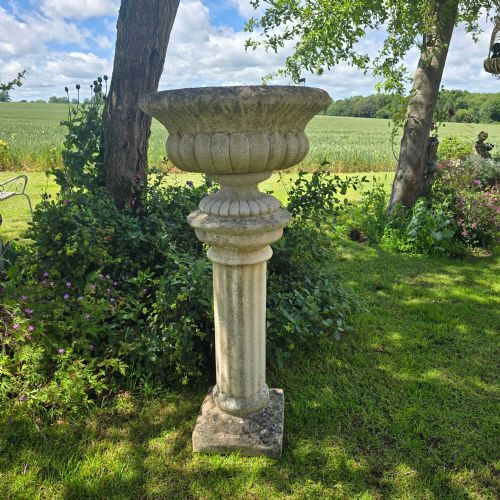
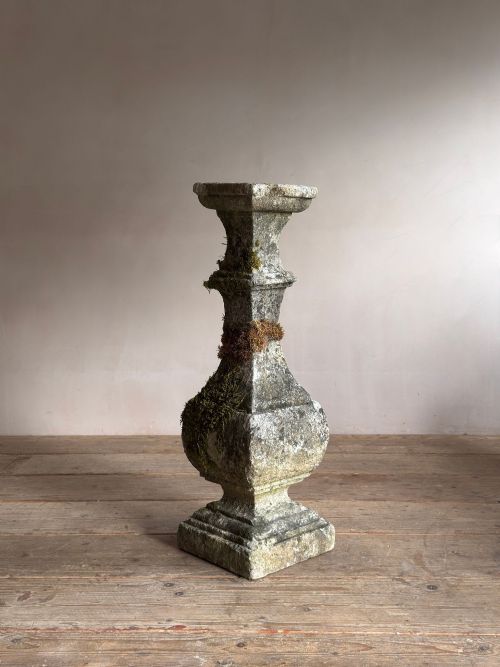
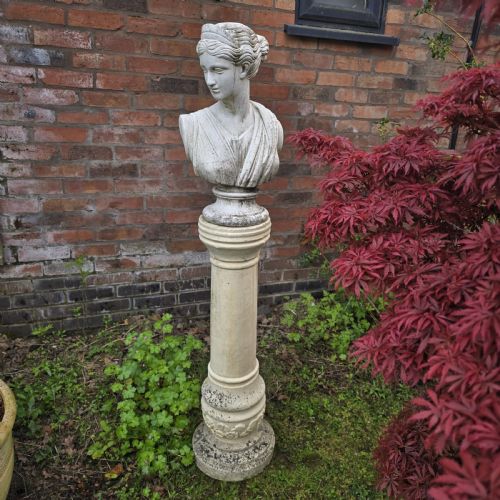
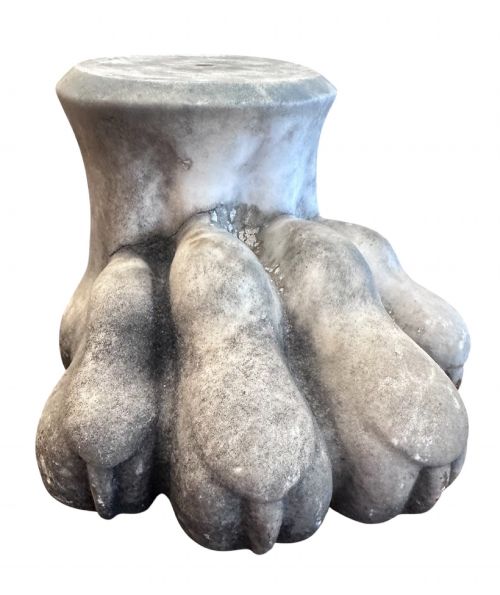
Grey stone pedestals provide a stable foundation to elevate garden statuary, urns and busts within a landscape. When searching for grey stone pedestals, buyers encounter items ranging from simple supporting plinths and staddle stones to elaborate architectural columns.
The selections span multiple periods, including Georgian, Victorian, Edwardian and mid-century examples. Forms vary from straightforward square blocks to multi-sided bases designed to carry heavier sculptural works.
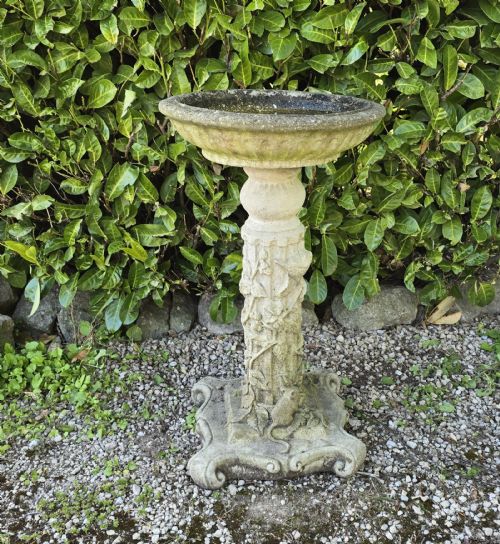
Many pieces function as direct supports for sundials, bird baths or cast iron planters. These items suit gardens requiring vertical emphasis or classical proportion.
Materials and construction
Makers utilise a range of hard materials, including limestone, Purbeck stone, sandstone and carved stone. Cast stone and reconstituted stone also appear frequently among the pieces, shaped into uniform blocks and bases.
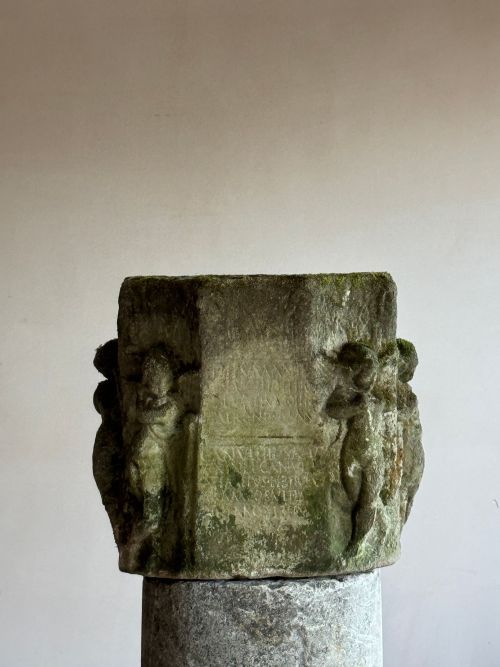
Stonemasons executed simpler forms through straightforward cutting and dressing, whilst more ornate examples incorporate detailed mouldings, Corinthian capitals or carved reliefs. Weathering naturally softens the raw surfaces of these materials over decades of exposure.
Distinctions in quality
Quality rests in the precision of the stonecutting and the integrity of the material itself. Hand-carved limestone and sandstone display crisp architectural detailing that distinguishes them from simpler cast alternatives.
Proportion and balance dictate the visual success of a base, especially when paired with a bust or urn. Natural weathering and surface patination further enhance the character of older pieces, separating fine period examples from standard utility supports.
Andrew Handyside
The Grey Stone Pedestals Glossary
- Plinth
- A heavy base or square slab supporting a statue, pillar or urn. It elevates the object above ground level to improve visibility and presence.
- Staddle stone
- A mushroom-shaped stone support formerly used to raise granaries off the ground to protect against damp and vermin. They now serve primarily as garden ornaments and pedestals.
- Campana
- A bell-shaped garden urn or vessel often mounted upon a matching pedestal. The classic form derives from classical antiquity.
- Corinthian capital
- The uppermost decorative member of a column, characterised by ornate acanthus leaves and scrolls. These frequently appear as architectural fragments or display bases.
- Reconstituted stone
- A composite material manufactured from crushed natural stone and a binder. It is cast in moulds to replicate the appearance of quarried stone.
Grey Stone Pedestals: Frequently Asked Questions
How do I choose the right height?
Consider the scale of the ornament or bust intended for the top. Taller columns suit expansive garden vistas, while lower blocks work best for intimate seating areas.
Ensure the surface area of the top matches the footprint of the object it supports for stability.
Can these pedestals stay outside year round?
Most stone and cast stone pieces tolerate outdoor weathering well. Natural materials like limestone and sandstone develop a desirable aged patina over time.
Protect softer alabaster or marble pieces from severe frost where possible to prevent cracking.
Are these pedestals hollow or solid?
Construction varies depending on the material and period. Carved stone and staddle stones are typically solid, whereas larger architectural columns and cast pedestals may be hollow to reduce weight.
Check individual listings for specific weight and construction details before placement.
How do I clean weathered stone?
Gentle brushing with water usually suffices to remove loose dirt without damaging the surface. Avoid harsh chemical cleaners that strip away natural weathering and moss.
Preserving the accumulated patina maintains the historic character of the piece.