




Grey Pewter Ale Measure
Grey pewter ale measure vessels combine honest tavern utility with centuries of touchmarks, offering solid heft and sober metal tones for any traditional interior.
Grey Pewter Ale Measure
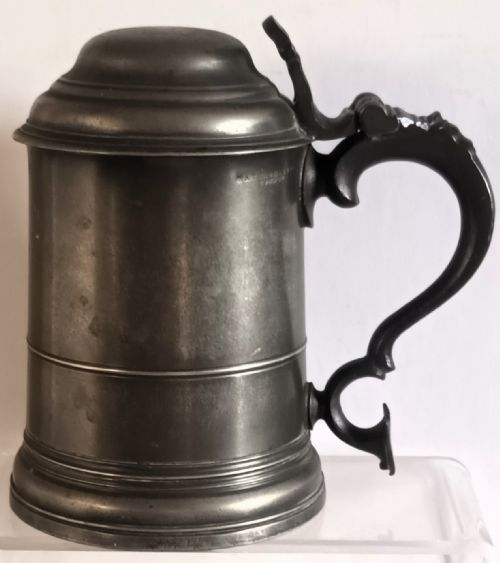
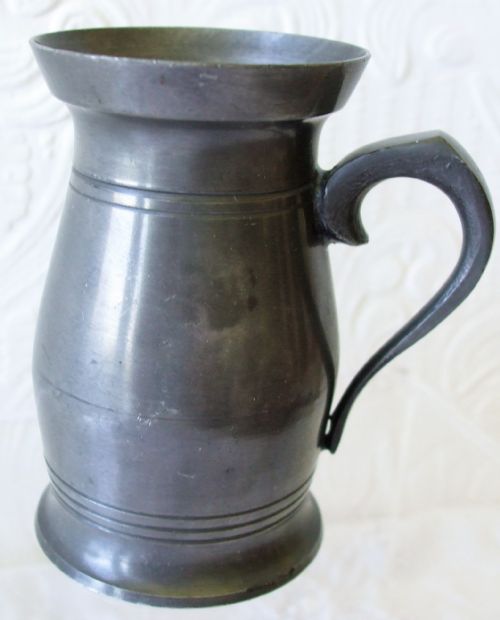
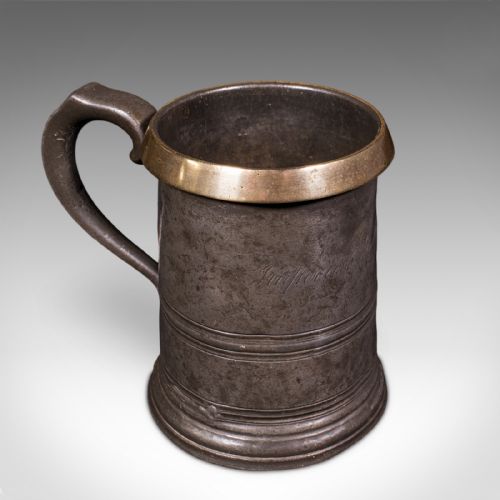
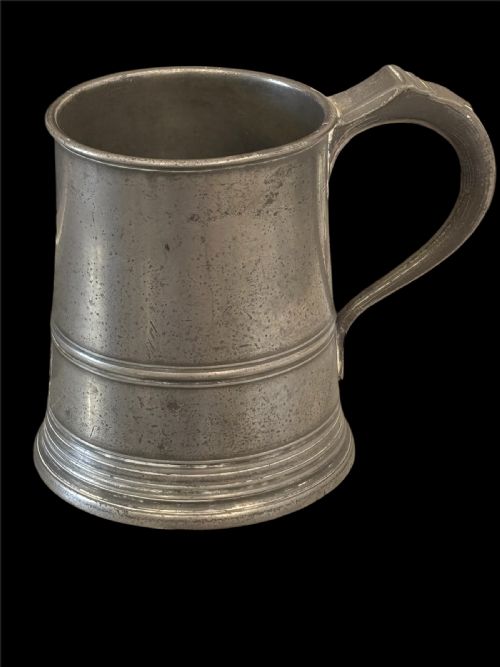
A grey pewter ale measure is a sturdy drinking vessel or capacity vessel made for service in public houses and domestic settings. These pieces span English, Irish, Scottish, and Jersey origins, capturing centuries of tavern hospitality.
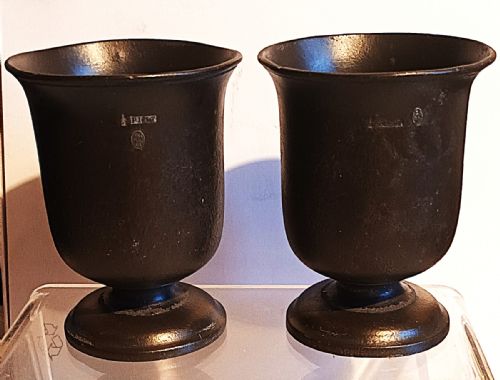
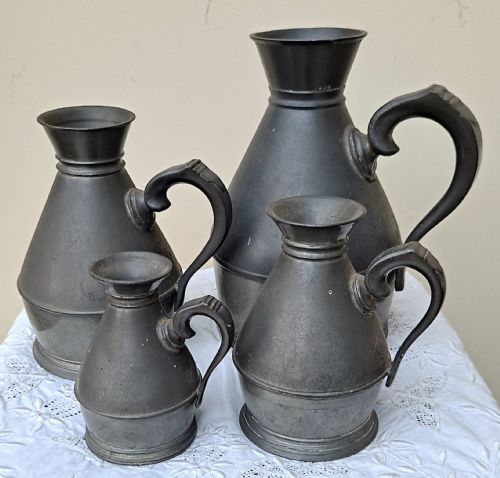
The most frequent examples encountered on this page belong to the Georgian and Victorian eras, taking the form of tankards, jugs, flagons, goblets, and capacity measures. They range from small noggin and gill sizes up to substantial gallon jugs and haystack sets.
Materials and construction
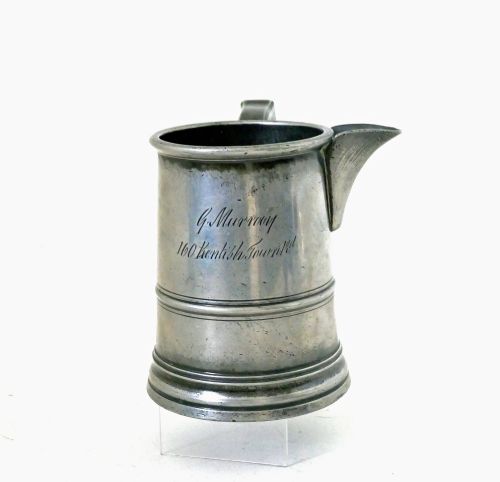
These vessels are cast primarily from pewter, a traditional alloy of tin with copper and lead, which develops a soft grey patina over decades of handling and cleaning. Some examples incorporate brass details or engraved inscriptions recording tavern names and previous owners.
Forming relied on casting and soldering metal components together, often finished with touchmarks stamped by makers to guarantee the alloy standard. Surface wear comes from daily use in public houses rather than decorative manipulation.
Grey Pewter Ale Measure Retail Price Guide 2026
Typical asking prices for grey pewter ale measure among the pieces listed under this phrase on Sellingantiques today, from the lower quarter to the upper quarter. They describe what is for sale here now, not the wider market.
Vessels on this page include tankards, goblets, flagons, and standard capacity measures such as gills, pints, and gallons.
Judging quality and character
Quality rests in the crispness of the original casting, the thickness of the metal walls, and the legibility of touchmarks and capacity stamps such as the VR royal cypher. Pieces retaining their original form without heavy denting or clumsy repairs command greater respect among collectors.
The presence of regional variants, such as Irish haystack measures or Scottish tappit hens, elevates an example above standard domestic tankards. Engraved inscriptions detailing specific taverns or named individuals also add historical depth to the object.
Watts & Harton
The Grey Pewter Ale Measure Glossary
- Pewter
- A malleable metal alloy composed chiefly of tin, historically mixed with lead or copper to give it strength for tableware and measures.
- Tappit Hen
- A traditional Scottish form of pewter drinking vessel featuring a lid and a distinct knob on top.
- Haystack measure
- An Irish style of pewter measure characterised by its bulbous, tapered body resembling a stacked heap of hay.
- Touchmark
- A stamp or hallmark impressed by a pewterer or guild onto metalware to certify the standard of the alloy.
- Noggin
- A small historical unit of liquid capacity, typically equating to a quarter of a pint.
Grey Pewter Ale Measure: Frequently Asked Questions
What is an ale measure?
An ale measure is a standardised vessel designed to hold precise volumes of beer or spirits in public houses and taverns. They ensured customers received accurate quantities while serving as robust tools for landlords.
Over time, these utilitarian objects retired from active service to become decorative antiques prized for their tactile metal surfaces and regional forms.
How do I identify a Georgian measure?
Georgian examples often display simpler, heavier casting with characteristic regional touchmarks and early capacity stamps. Their silhouettes tend toward functional plainness, reflecting eighteenth-century tavern requirements.
Examining the base and handle attachments will frequently reveal the construction methods typical of workshops working before the Victorian era.
Where were these pieces used?
These vessels populated the taprooms, inns, and public houses of England, Ireland, Scotland, and the Channel Islands. They moved from behind the bar to customer tables during busy tavern hours.
Many bear engraved initials, pub names, or verification marks that document their circulation within specific communities.
How should I display pewter?
Pewter looks best displayed on open wooden shelves or dresser tops where its subdued grey tone contrasts with timber. Keep the metal away from damp environments and direct heat sources to preserve the natural surface.
Occasional dusting with a soft cloth is sufficient; aggressive cleaning or modern metal polish will strip away the historic patina.