





Grey Paper Pencil Sketches
Grey paper pencil sketches capture intimate studies and sweeping scenes across eras from the eighteenth century to the mid-twentieth century.
Grey Paper Pencil Sketches
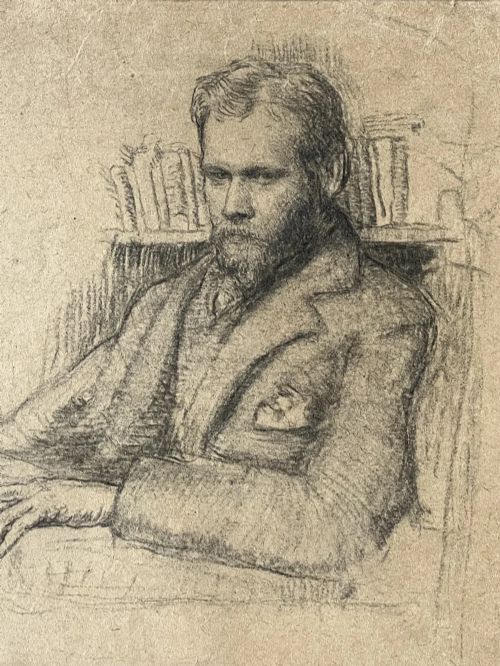
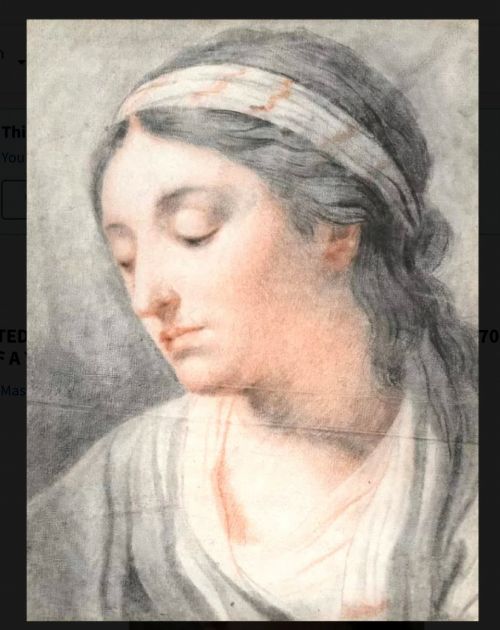
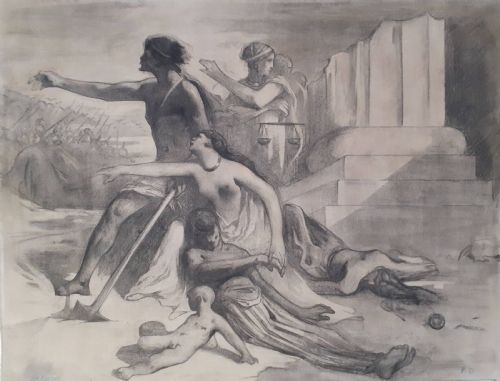
Grey paper pencil sketches comprise original works on paper spanning the eighteenth, nineteenth, and twentieth centuries. These pieces encompass portrait drawings, townscapes, allegorical scenes, and figural studies created by named artists and anonymous hands alike.
Buyers encountering this selection will frequently find works from the Victorian, Edwardian, and Art Deco periods. Mediums span graphite, pencil, chalk, and charcoal, often heightened with watercolour upon grey paper supports.
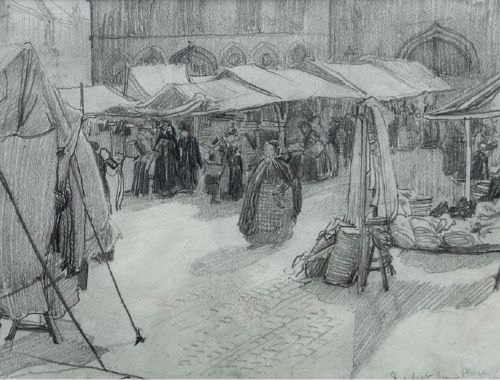
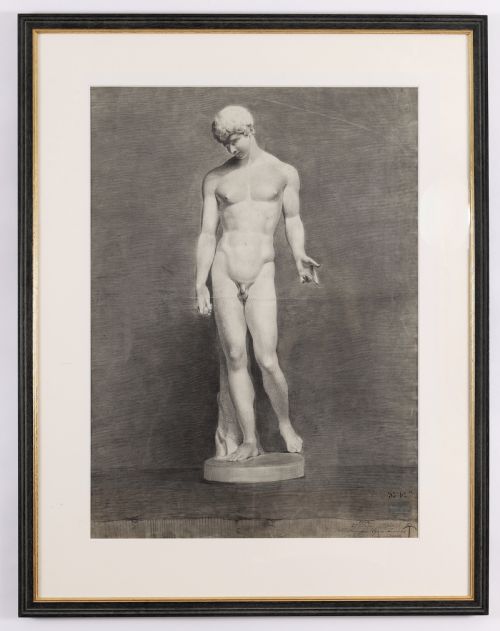
Origin points range from British and French studios to specific locations such as Paris, Bruges, and Lincoln. The variety extends from academic studies after classical antiquities to surrealist compositions and brisk portside townscapes.
Materials and construction methods
Artists executed these works primarily using graphite and pencil upon tinted paper sheets, occasionally incorporating chalk to build highlights. The tone of the grey paper itself served as a mid-tone, allowing draughtsmen to work up dark shadows and light accents efficiently.
Several pieces integrate watercolour washes alongside pencil linework, particularly in townscapes and portraits. Wooden frames and glass encasings frequently protect these delicate works on paper from environmental degradation.
Distinguishing factors in draughtsmanship
Quality rests upon the sureness of the line and the precision of the tonal gradations across the tinted sheet. Masterful handling of graphite and chalk on grey paper achieves depth and illumination that lesser, stiffer academic exercises miss.
The sophistication of the composition and the expressive capture of the subject elevate individual works. Pieces demonstrating confident handling by established draughtsmen stand apart from routine sketches.
Henry Percy Huggill·James Smetham·Augustus John·J Manrique·Dame Laura Knight·Fred Lawson·Alexandre Decamps·Leo Klin·Francis Dodd·Cecil CP Lawson
The Grey Paper Pencil Sketches Glossary
- Graphite
- A form of crystalline carbon used as a drawing medium in pencils. It yields grey marks that range from silvery lines to dense black shadows.
- Chalk
- A soft, opaque drawing material used on tinted paper to create bright highlights. It provides strong contrast against grey supports.
- Surrealism
- A twentieth-century movement exploring the subconscious and dream imagery. Works in this style reject conventional logic in favour of fantastical subjects.
- Neoclassical
- A style drawing inspiration from the classical art and culture of ancient Greece and Rome. Academic drawings often reproduced classical sculpture in this manner.
- Framed artwork
- A piece enclosed within a protective wooden structure beneath glass. This mounting method preserves delicate paper and media from dust and handling.
Grey Paper Pencil Sketches: Frequently Asked Questions
What is a grey paper pencil sketch?
These works are original drawings executed on tinted grey paper using graphite, pencil, or chalk mediums. Artists utilised the neutral tone of the paper to build both dark shadows and pale highlights.
Such pieces range from rapid portrait studies and townscapes to finished allegorical compositions created across the eighteenth, nineteenth, and twentieth centuries.
How do I display drawings on paper?
Drawings on paper require framing beneath glass to protect the delicate surface from moisture, dust, and direct sunlight. Proper mounting prevents the paper from touching the glass directly.
Keep these artworks on interior walls away from strong natural light to maintain the integrity of the paper support and the graphite or chalk media.
How can I tell the period of a sketch?
Dating relies on the stylistic markers of the artwork, the costume of any depicted figures, and framing materials. Victorian and Edwardian works often show specific academic rigour or romantic sentiment.
Signatures, dates inscribed by the artist, and paper watermarks provide further documentation for determining when a drawing was produced.
What subjects appear in these sketches?
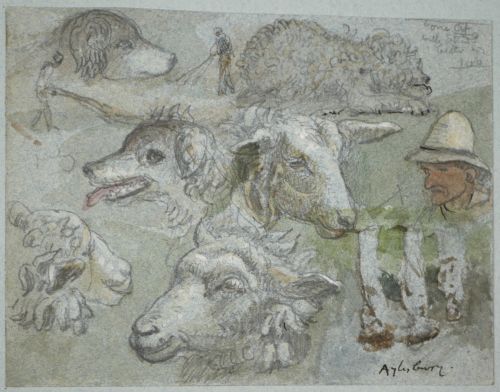
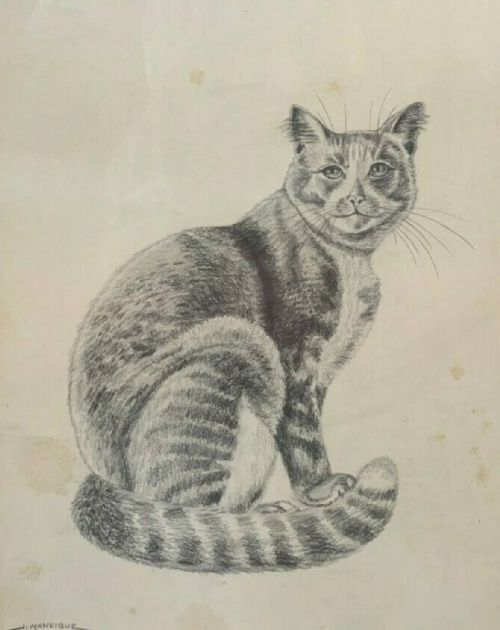
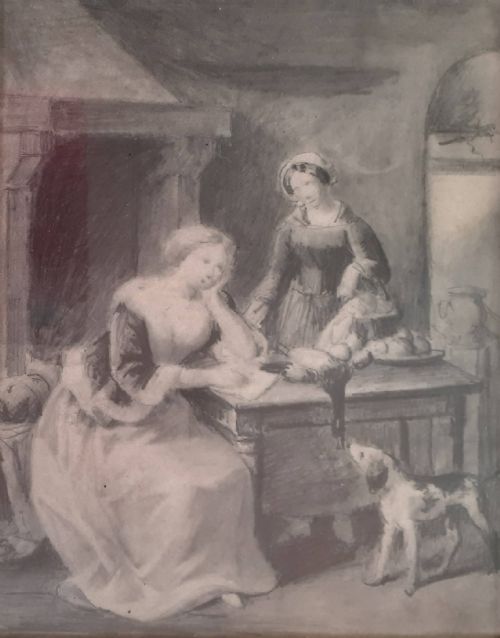
The subjects include portrait drawings of individuals, architectural townscapes, coastal shipping rigging, and narrative allegorical scenes. Artists also recorded animals such as dogs and cats.
Some pieces reflect specific artistic movements like Art Deco, Surrealism, and Mid-Century Realism, capturing both urban life and imaginary compositions.