

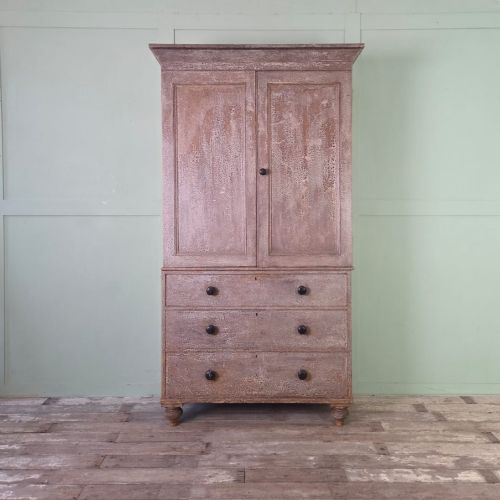
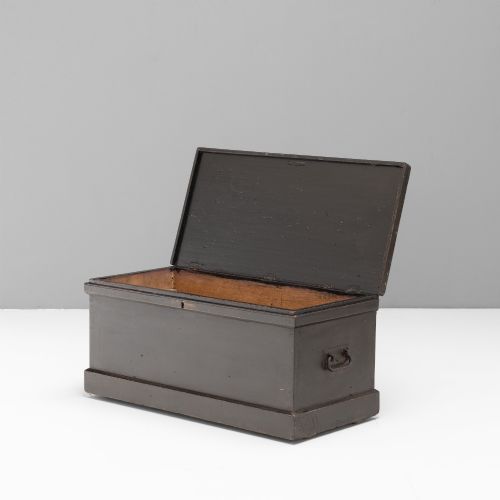
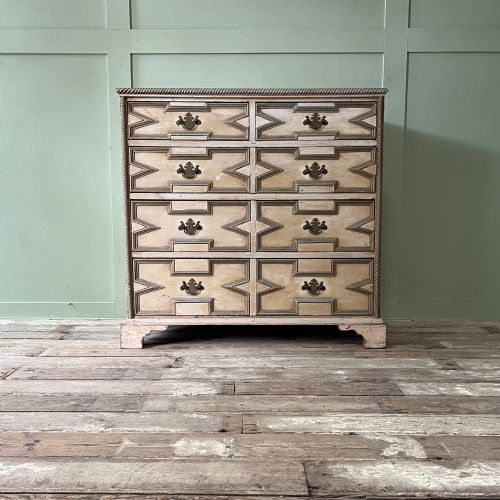
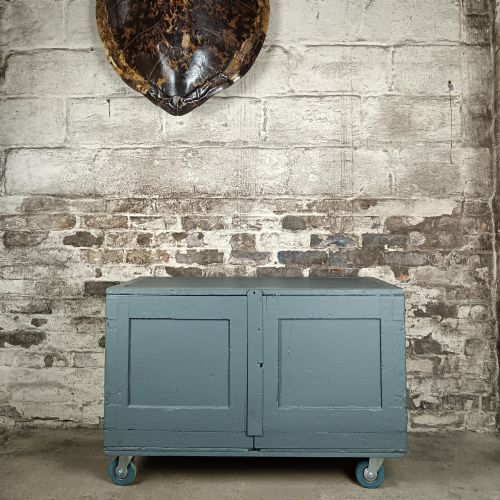
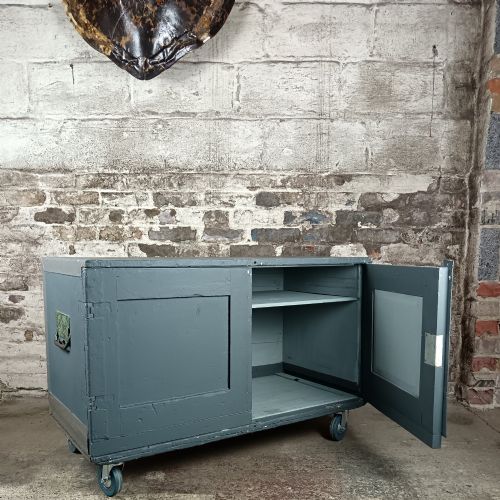
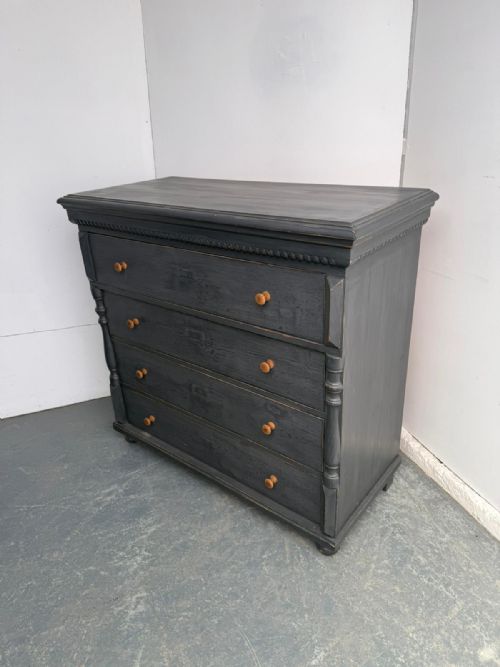
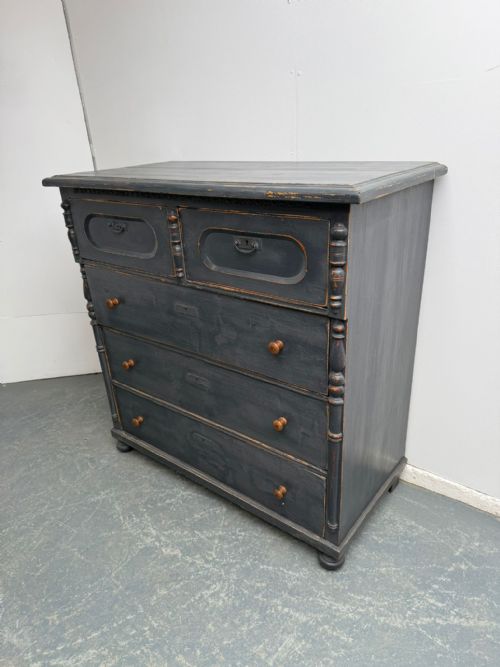
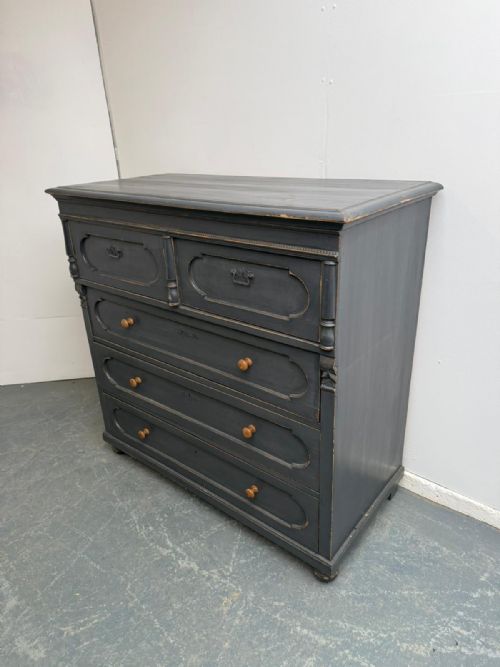


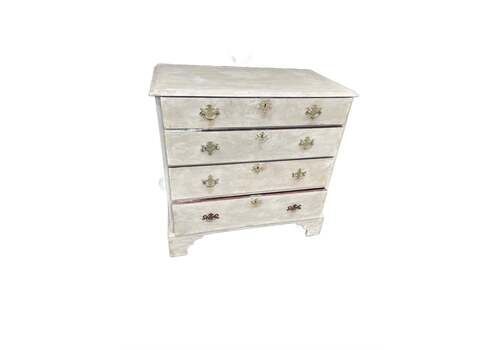


Grey Painted Wooden Chest
A grey painted wooden chest brings understated utility and historic charm to a room, offering robust storage finished in muted tones.
Grey Painted Wooden Chest
A grey painted wooden chest encompasses diverse forms ranging from Victorian pine chests of drawers to Swedish commodes and campaign packing cases. These pieces emerge primarily from the eighteenth, nineteenth, and early twentieth centuries, reflecting both British and continental European traditions.
Buyers meet sturdy pine and ash constructions finished in various shades of grey, alongside specialised items like dome-top chests and military transport boxes. The selection balances functional multi-drawer storage with decorative surface treatments.
Continental examples introduce Gustavian and Baroque Revival styles, while domestic pieces lean towards Victorian country and folk art aesthetics. Each variant serves as a practical storage receptacle defined by its aged painted surface.
Construction and Materials
Carpenters built these carcases predominantly from solid timbers such as pine, ash, and occasionally oak, utilising traditional joinery methods suited to daily wear. Iron and brass hardware, including campaign mounts and drawer pulls, provided essential structural reinforcement and operational utility.
Makers applied paint directly to the wooden surfaces, often utilising layered pigments that aged and weathered over decades. This finish protected the underlying timber while creating the characteristic muted grey aesthetic seen across Swedish, French, and British workshops.
Grey Painted Wooden Chest Retail Price Guide 2026
Typical asking prices for grey painted wooden chest among the pieces listed under this phrase on Sellingantiques today, from the lower quarter to the upper quarter. They describe what is for sale here now, not the wider market.
Materials recorded across the inventory include pine, ash, oak, brass, iron, and paint.
Distinctions in Quality
Quality rests in the integrity of the original timber carcase and the authenticity of the painted finish. Pieces retaining their original historic surface hold greater distinction than later redecorations.
The sophistication of the form, from simple pine boxes to elaborate bombe commodes and campaign chests, determines the refinement of the piece. Superior examples display harmonious proportions, intact brass or iron hardware, and well-preserved structural joinery.
Sir Clough Williams-Ellis·Edwards and Roberts
The Grey Painted Wooden Chest Glossary
- Gustavian
- Swedish neoclassical design style characterised by restrained classical motifs and pale painted finishes. It developed during the late eighteenth century under King Gustav III.
- Commode
- A low chest of drawers or cabinet, often of French or continental origin. These pieces frequently feature decorative painted surfaces or serpentine fronts.
- Campaign Chest
- A portable chest built in sections with recessed brass handles, designed for military transport during the nineteenth century. These items separated into distinct parts for ease of travel.
- Bombe
- A bulging, convex shape characteristic of certain eighteenth-century furniture forms. This profile requires advanced cabinetmaking skill to construct from solid timber.
- Pine
- A softwood commonly used for domestic furniture carcases throughout the nineteenth century. It provided an accessible and durable material for painted finishes.
Grey Painted Wooden Chest: Frequently Asked Questions
How do I care for a painted wooden surface?
Dust regularly with a dry cloth and avoid harsh chemical cleaners that can strip historic paint layers.
Keep the chest away from direct heat sources and strong sunlight to prevent the timber from warping and the paint from fading.
Are these chests suitable for bedroom storage?
These pieces provide deep drawers and lidded compartments well-suited for clothing, linen, and blankets.
Ensure the interior is clean and dry before storing textiles for extended periods.
What is the difference between a commode and a chest of drawers?
A commode typically refers to a lower, more decorative continental cabinet with drawers or doors. A chest of drawers is generally taller and follows traditional British domestic forms.
Both serve the primary function of compartmentalized storage.
How do I identify the period of a painted chest?
Examine the construction methods, drawer linings, and hardware types used in the carcase. Tool marks and timber shrinkage offer reliable clues to the age of the piece.
Compare the style of the paint application and decorative motifs against established historical periods like the Victorian era or eighteenth-century neoclassical designs.