






Grey Painted Dresser
A grey painted dresser brings a soft, muted tone to a room, offering practical storage through timber craftsmanship shaped by centuries of European design traditions.
Grey Painted Dresser
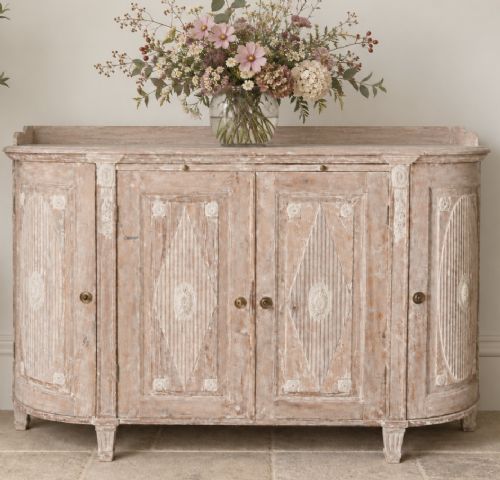
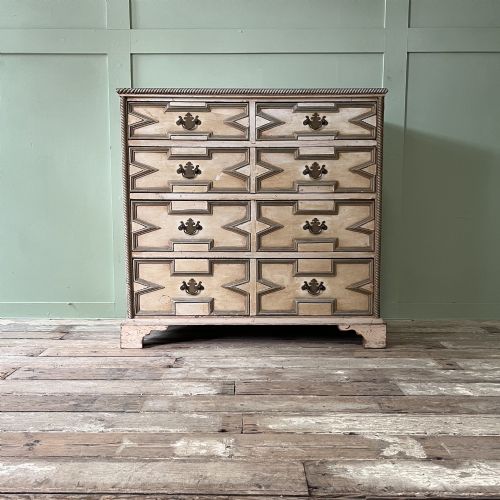
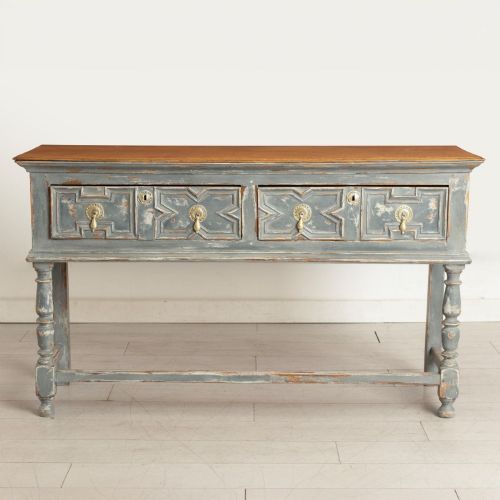
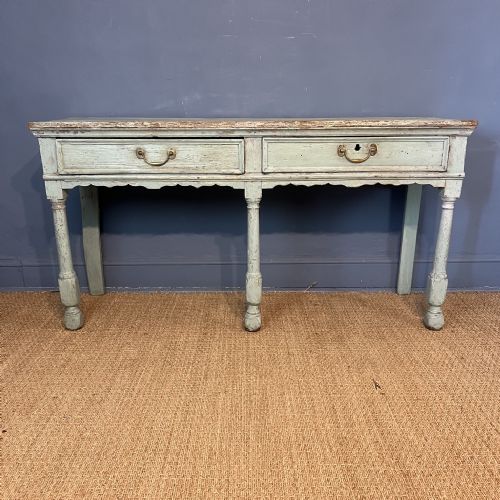
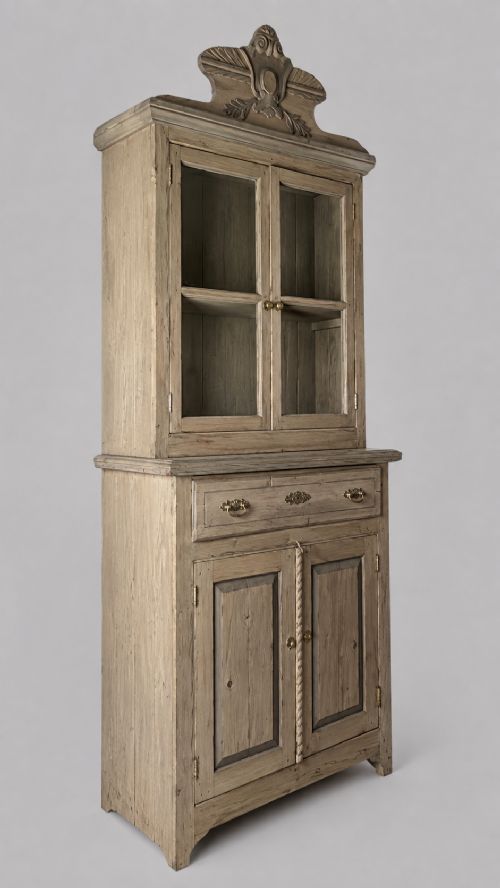
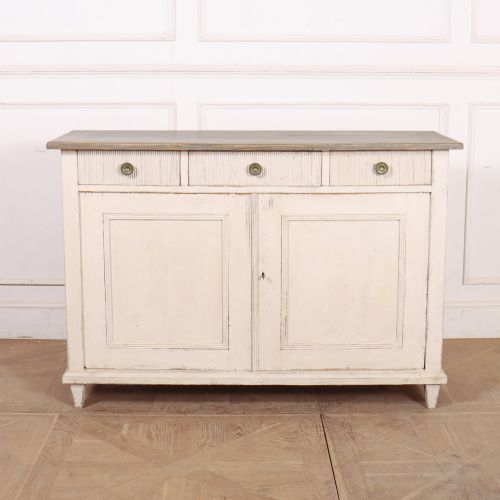
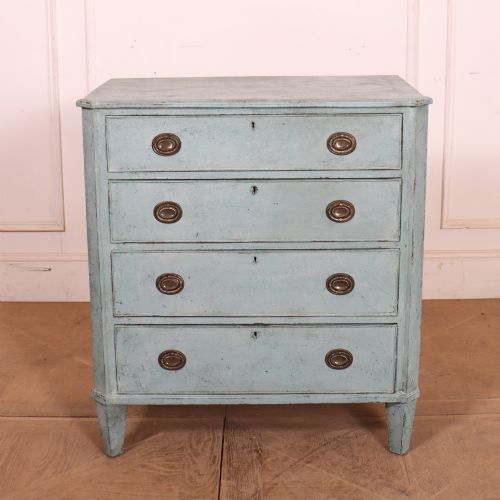
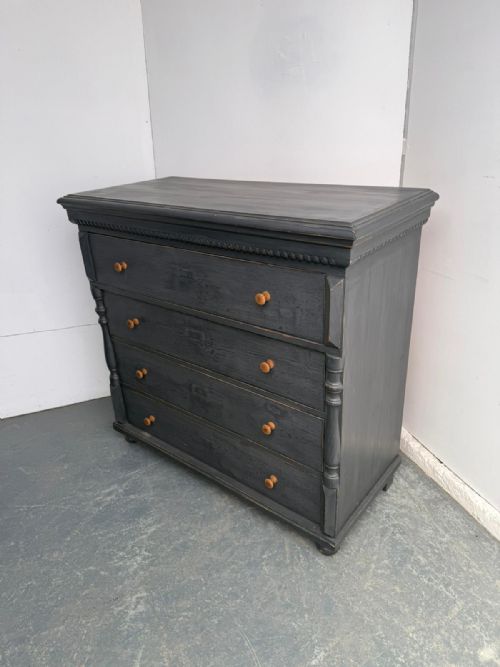
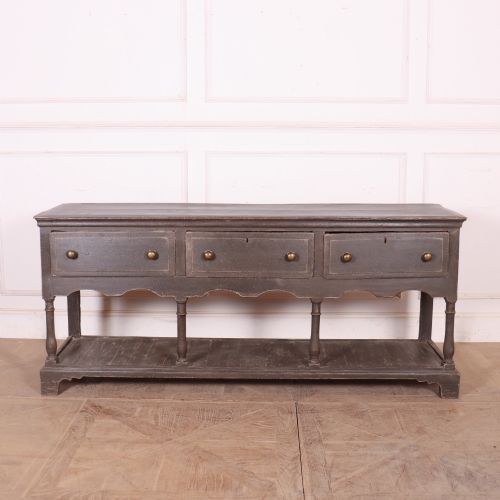
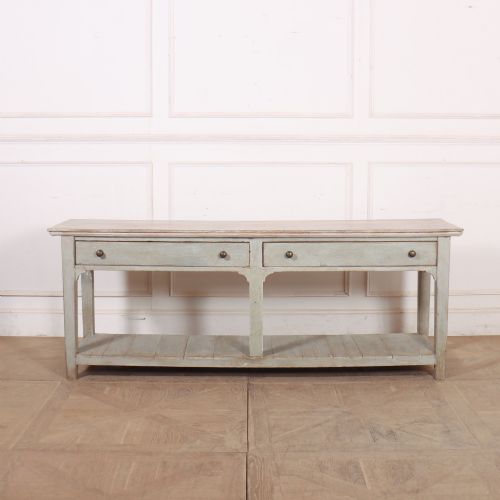
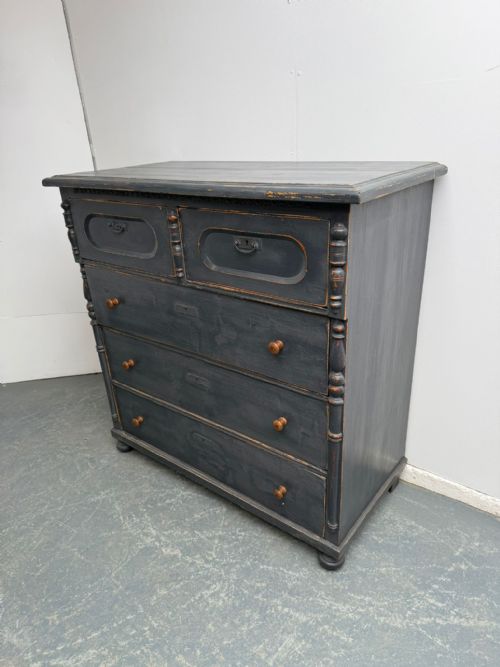
A grey painted dresser encompasses a variety of storage furniture including potboard dresser bases, tall chests of drawers, commodes, sideboards, and glazed cupboards. These pieces originate from diverse regional traditions spanning English country workshops, French provincial towns, and Scandinavian homesteads.
Stylistic influences range from Gustavian and French Provincial to Jacobean Revival and Edwardian designs, demonstrating how makers adapted functional domestic storage to local aesthetic preferences. Whether searching for a serpentine front commode or a plain pine cupboard, the focus remains on utilitarian forms finished in muted paint.
How they were made
Makers constructed these carcasses predominantly using solid pine and oak, relying on traditional joinery methods suited to heavy daily use. Surfaces received coats of paint, sometimes in original scraped finishes or applied by hand in subsequent periods, often complemented by brass hardware.
Structural details vary by region and date, from the potboards and planked tops of English dresser bases to the curved fronts of Danish and Dutch commodes. Carved oak elements appear alongside simpler turned pulls and panelled doors, reflecting the tools and materials available to regional joiners.
Grey Painted Dresser Retail Price Guide 2026
Typical asking prices for grey painted dresser among the pieces listed under this phrase on Sellingantiques today, from the lower quarter to the upper quarter. They describe what is for sale here now, not the wider market.
Some nineteenth-century Scandinavian chests arrived with drawers so deep they practically swallowed whole winter wardrobes.
What varies in quality
The integrity of the timber carcass and the survival of early or original paint surfaces distinguish finer examples from standard utility pieces. Pieces retaining their original scraped paintwork or period brass handles hold greater interest than later redecorated items.
Proportion and regional detailing, such as Gustavian fluting or refined serpentine shaping, separate basic vernacular items from sophisticated continental commodes and dressers. The execution of dovetail joints and the stability of drawers indicate the level of care invested by the original maker.
Sir Clough Williams-Ellis·Edwards and Roberts
The Grey Painted Dresser Glossary
- Potboard dresser base
- A low sideboard featuring an open lower shelf traditionally used for storing pots and heavy kitchen utensils. These sturdy pine and oak pieces form a staple of English country furniture.
- Commode
- A low chest of drawers or cabinet, often with decorative fronts such as serpentine or bow shapes. Continental examples from Sweden and France frequently display refined painted finishes.
- Gustavian
- A Swedish neoclassical style popular during the late eighteenth century, characterised by restrained carving, light painted finishes, and balanced proportions. It draws inspiration from French Louis XVI design.
- Serpentine front
- A furniture front characterised by a concave central section flanked by two convex ends, or the reverse. This technique requires considerable skill from the woodworker.
- Scraped paint
- A conservation term describing an original surface revealed by carefully removing later overcoats of paint. Collectors value this method for preserving the authentic early coloration of a piece.
Grey Painted Dresser: Frequently Asked Questions
How do I date a grey painted dresser?
Dating relies on examining construction methods, timber types, and stylistic cues such as hardware and leg shapes. Eighteenth-century pieces often feature hand-cut dovetails and pegged joints, whereas Victorian items frequently utilise machine-sawn elements and standard brass pulls.
Paint analysis also provides clues, as original finishes show different wear patterns and pigment layering compared to twentieth-century redecoration. Comparing the proportions to documented regional styles helps narrow the decade of manufacture.
Are these pieces made of solid wood?
The listings consist predominantly of solid timbers like pine, oak, and ash, reflecting the standard manufacturing practices of the periods represented. Regional makers used local woods for both internal framing and external surfaces.
Secondary woods like deal or softwood often appear on drawer linings and backboards, which was typical for both English country furniture and continental commodes. Solid construction ensures stability across centuries of domestic use.
How do I care for antique painted surfaces?
Maintain painted furniture by dusting regularly with a soft, dry cloth and avoiding modern chemical cleaners that might strip historic finishes. Keep pieces away from direct sunlight and steady heat sources to prevent the wood from drying and the paint from cracking.
If the surface requires cleaning, use a damp cloth wrung almost dry, followed immediately by a dry cloth. Wax should only be applied if the paint surface is stable and sealed, as porous historic paint can absorb oils.
What is a Gustavian commode?
A Gustavian commode is a Swedish neoclassical chest of drawers dating from the late eighteenth century, influenced by French design but rendered with Nordic restraint. These pieces typically feature pale grey or neutral painted surfaces, fluted pilasters, and subtle carved details.
They offer generous drawer space while maintaining a light, balanced silhouette that suits contemporary and traditional interiors alike. Their restrained ornamentation distinguishes them from more ornate continental furniture.