

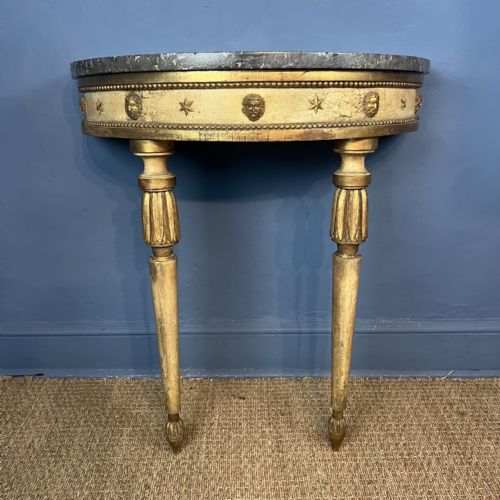


Grey Gilt Side Table
A grey gilt side table combines muted painted surfaces with rich metallic leaf, offering classic elegance for an interior.
Grey Gilt Side Table
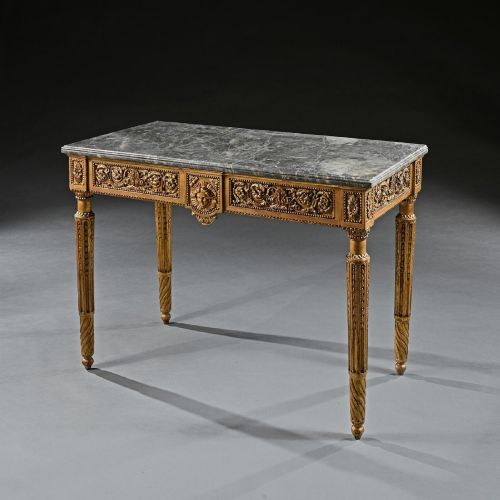
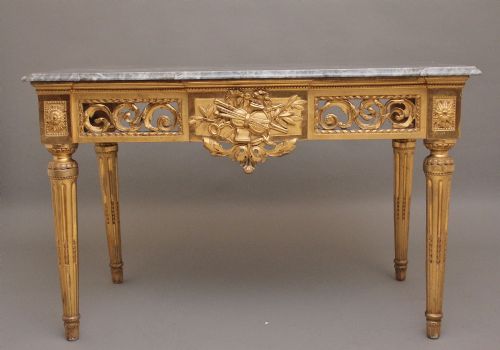
A grey gilt side table encompasses console tables, occasional tables, and centre tables spanning the eighteenth century to the early twentieth century. These pieces emerge from periods such as the Regency, Victorian era, and Italian Neoclassical styles.
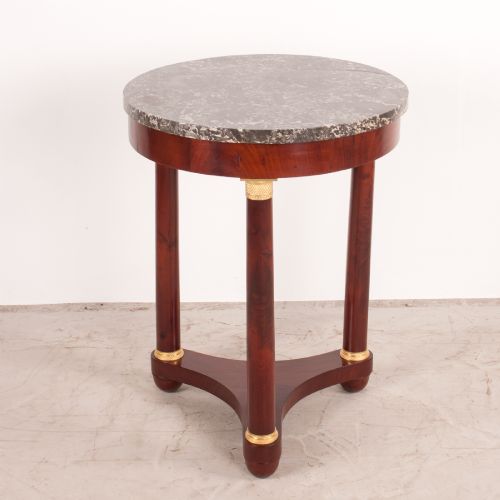
The forms range from wall-mounted console tables with stone surfaces to freestanding tripod and guéridon tables. Buyers encounter painted timber structures enriched with gold leaf alongside marble tops.
Materials and construction
Carved wooden frames receive layers of paint, often in cream or muted grey tones, combined with parcel gilt highlights or complete gold leaf application. Many examples incorporate heavy marble tops, ranging from white to patterned stone.
Joinery methods reflect the specific period of manufacture, utilising carved wood, mahogany, or painted substrates alongside cast bronze and ormolu mounts on later nineteenth-century pieces.
Grey Gilt Side Table Retail Price Guide 2026
Typical asking prices for grey gilt side table among the pieces listed under this phrase on Sellingantiques today, from the lower quarter to the upper quarter. They describe what is for sale here now, not the wider market.
Listings feature marble, giltwood, and ormolu across eighteenth-century, Regency, and Victorian periods.
Assessing quality and craftsmanship
Quality reveals itself in the crispness of the wood carving and the depth of the gilding applied over the painted ground. Superior examples display substantial marble slabs fitted precisely to the wooden base.
The integrity of the original paint and gilt surfaces dictates the desirability of a table, distinguishing untouched historic finishes from later re-painting efforts.
Zwiener Jansen Sucesseur
The Grey Gilt Side Table Glossary
- Console table
- A table designed to stand against a wall, frequently secured to it and topped with marble. These pieces served decorative and functional roles in formal rooms.
- Guéridon
- A small circular table on a central pillar or tripod base, originating in France during the seventeenth century. These tables function as occasional stands.
- Ormolu
- Gilded bronze mounts applied to furniture, popular in French and English decorative arts. The technique involves mercury gilding on bronze.
- Parcel gilt
- A finishing method where only specific carved details or raised portions of an object receive gold leaf. This technique highlights particular ornamental motifs against a painted background.
- Neoclassical
- A style drawing inspiration from the classical art and architecture of ancient Greece and Rome. It emphasises symmetry, straight lines, and classical ornamentation.
Grey Gilt Side Table: Frequently Asked Questions
Where should I place a side table?
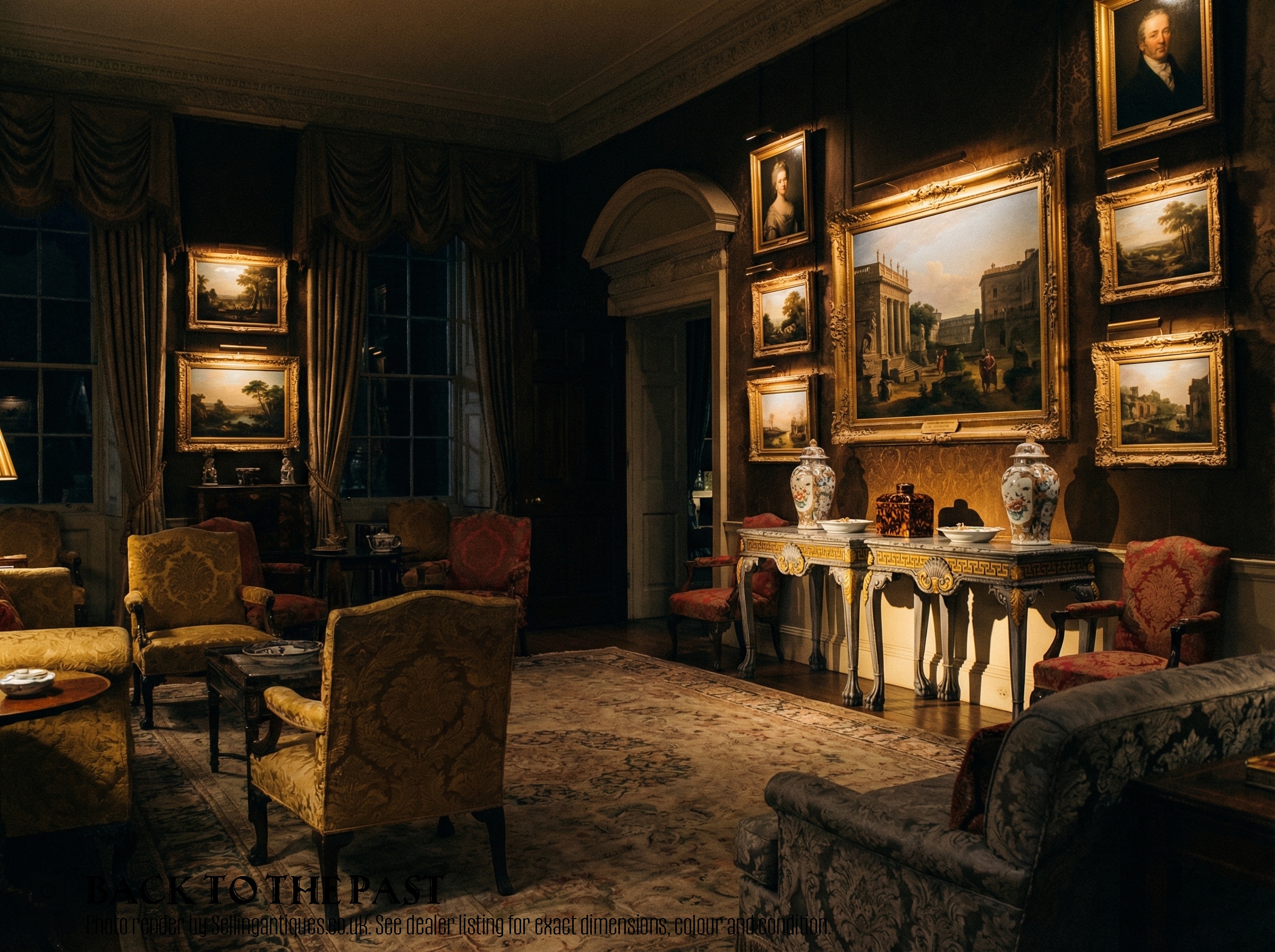
These tables suit hallways, drawing rooms, or living spaces where surface area and decorative impact matter. Console versions anchor well against flat walls.
Freestanding guéridon and centre tables function effectively as focal points in larger rooms or beneath mirrors and artwork.
How do I care for marble tops?
Marble requires gentle cleaning with a damp cloth and mild soap to avoid damaging the polished stone surface. Acidic liquids can etch the stone.
Using coasters and mats protects the top from stains and scratches while maintaining the historical material.
What periods do these tables represent?
The selection includes pieces from the eighteenth century through to the early twentieth century, spanning Georgian, Regency, and Victorian eras.
Stylistic influences cover French Rococo, Louis XVI Revival, and Italian Neoclassical designs.
How do I distinguish between styles?
Italian and French Neoclassical pieces often feature restrained carving and symmetry. Later Victorian and revival works incorporate heavier ormolu mounts and varied wood types.
Examining the underlying timber and finishing techniques helps determine the likely period of manufacture.