


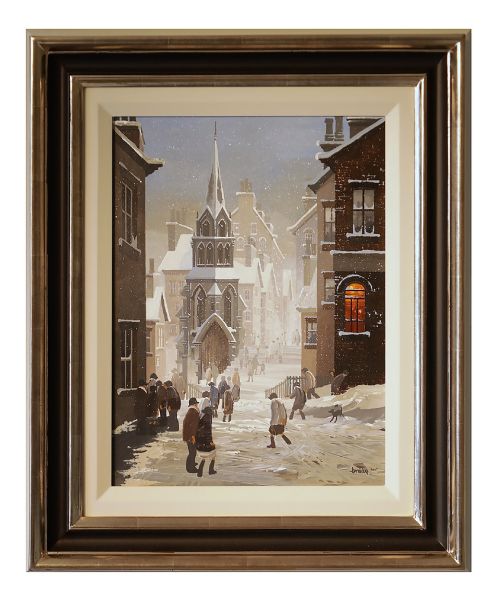
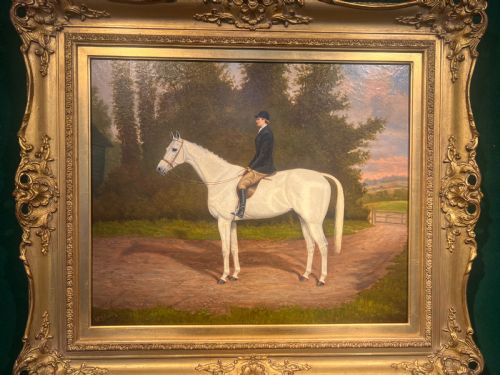
Grey Framed Oil Painting
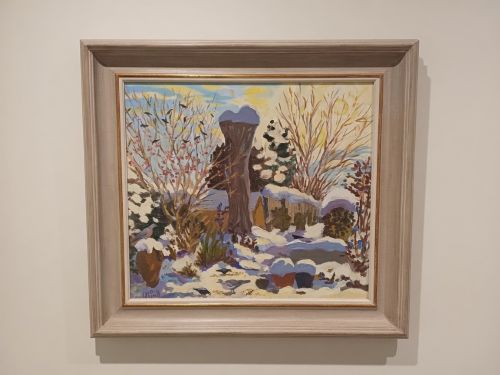
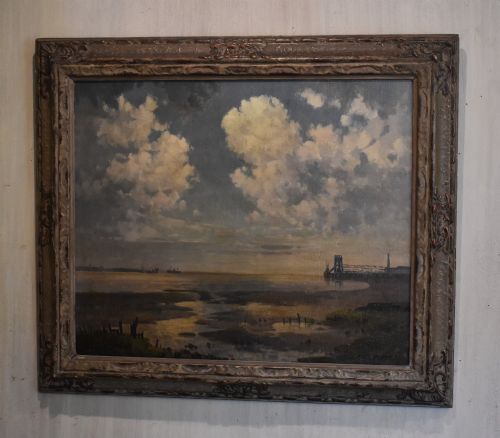
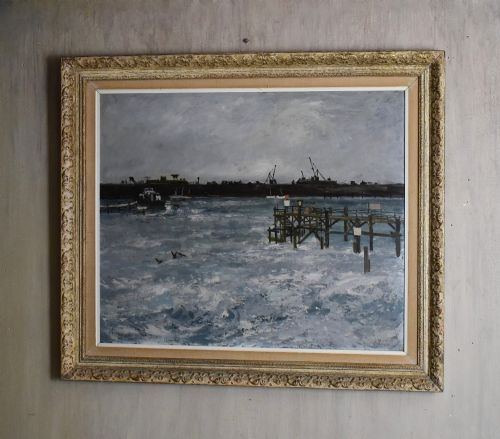
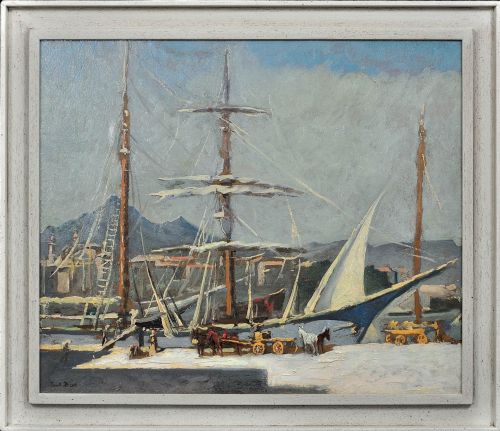
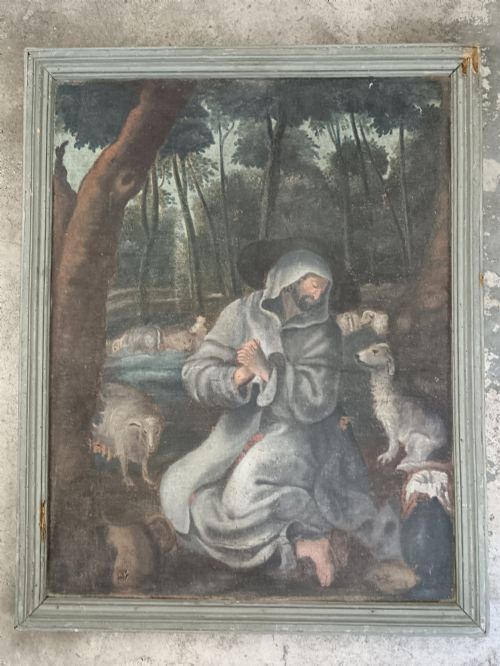
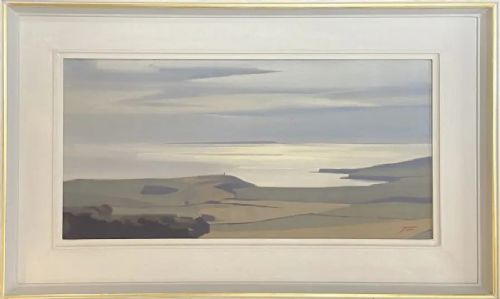
When you search for a grey framed oil painting, you are looking at canvases, panels, and boards housed in timber surrounds, ranging from early portraits to mid-century coastal scenes.
Grey Framed Oil Painting
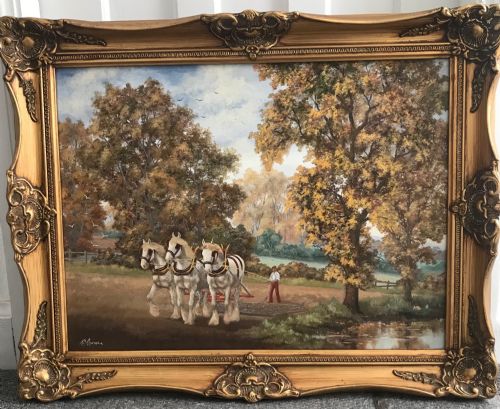
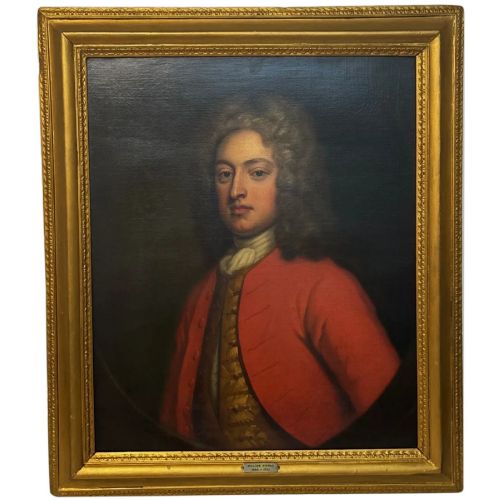
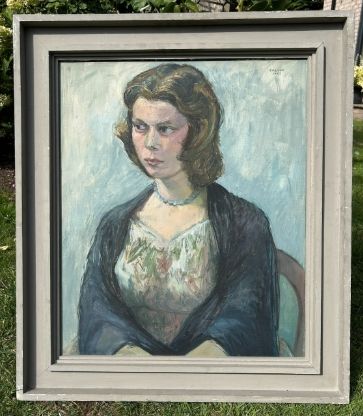
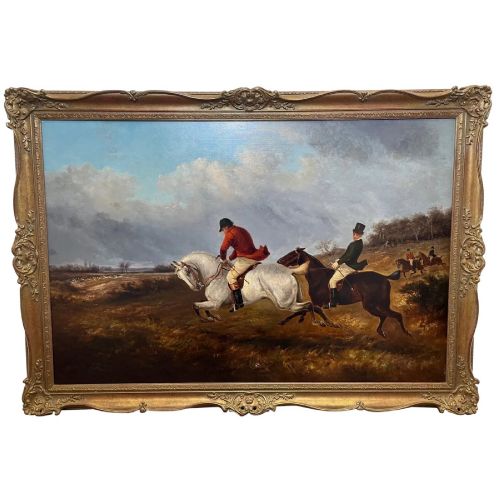
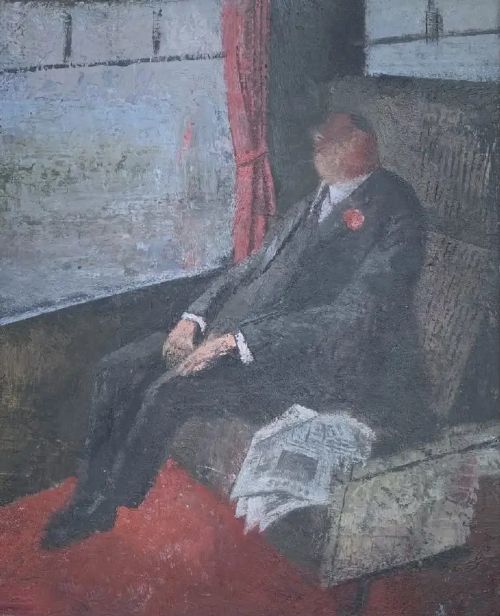
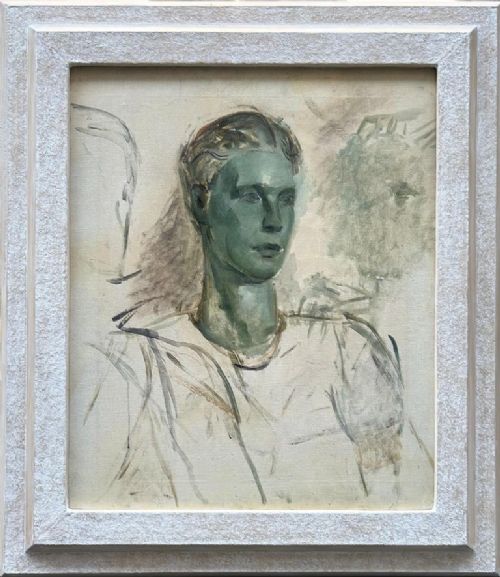
A grey framed oil painting brings together historical or mid-century oil pigments on canvas, panel, or board with timber surrounds painted or finished in various shades of grey. These works span subjects such as equestrian portraits, landscapes, cityscapes, and figurative studies from the eighteenth century through to the late twentieth century.
The selections available here emphasise mid-century modern, British impressionism, and post-impressionism alongside earlier Georgian and Victorian examples. Buyers frequently encounter mid-century coastal scenes, equestrian works featuring grey horses, and portraiture housed in distinct wooden frames.
How they were made
The foundational support relies primarily on woven canvas, wooden panels, or rigid board, onto which artists applied oil paint, occasionally building up texture through impasto techniques. These painted surfaces are then secured within timber frames, which provide structural support and a complementary boundary for the artwork.
Framing treatments often incorporate wood and gilt finishes, with timber surrounds painted in neutral or grey tones to complement the palette of the oil composition within. The combination of traditional oil media on fabric or wood with period timber mouldings defines the physical construction of these pieces.
Several canvases capture stylish cats and cheerful cherubs alongside grand historical portraits and stormy harbour scenes.
What varies in quality
The distinction between tiers of work rests upon the confidence of the brushwork, the depth of composition, and the harmony between the painted surface and its timber housing. Masterly handling of oil paint and impasto creates an engaging visual presence, whereas lesser examples display flat application and uninspired perspective.
The integrity of the frame and its relationship to the canvas contribute substantially to the overall standard of the piece. Period frames that suit the exact age and character of the artwork elevate the presentation above those paired with mismatched or later replacements.
Thomas Smythe·John Michael Wright·Lilian Colbourn·Brian Shields Braaq
The Grey Framed Oil Painting Glossary
- Oil paint
- A slow-drying paint made by combining pigment particles with a drying oil, commonly linseed. This medium allows for rich blending and textured impasto applications.
- Canvas
- A heavy woven fabric stretched across a wooden stretcher frame to serve as a sturdy support for oil paintings. It remains one of the most common surfaces encountered in historical and modern fine art.
- Impasto
- A technique where paint is laid onto a surface in very thick layers, usually thick enough that the brush or painting-knife strokes are visible. This method adds tangible physical depth to the artwork.
- Gilt
- A thin layer of gold leaf or gold paint applied to wooden frames and mouldings to impart a reflective decorative finish. It frequently accents the inner edges of painted surrounds.
Grey Framed Oil Painting: Frequently Asked Questions
What periods do these oil paintings cover?
The selection spans from the seventeenth and eighteenth centuries through the Victorian era and well into the twentieth century, including numerous mid-century modern examples.
Buyers will find works reflecting artistic movements such as British impressionism, post-impressionism, and modern British painting alongside earlier traditional portraits.
How should I care for an oil painting on canvas?
Keep the artwork away from direct sunlight and fluctuating humidity levels to protect both the canvas support and the oil pigments from cracking or fading over time.
Dust the surface and the surrounding wooden frame very gently with a soft, dry cloth without applying liquid cleaners directly to the paint.
Are the frames original to the paintings?
Some pieces retain their period wooden surrounds, while others have been paired with complementary grey or gilt frames that suit the aesthetic of the artwork.
Examining the construction of the timber and the fit around the canvas helps determine the historical relationship between the frame and the painting.
What subjects are most common in these works?
Equestrian scenes featuring grey horses, coastal landscapes, cityscapes, and character portraits appear frequently across the different periods represented.
These subjects range from detailed nineteenth-century sporting art to expressive mid-century views of harbours and urban streets.